














You don’t need a gym to exercise. This article shows UK teens how to stay active with home workouts, outdoor movement, and fun routines, boosting fitness and mood without cost, pressure, or equipment.

Exercising too much can harm both body and mind. This article helps UK teens spot the signs of overtraining, shares a real-life story, and offers tips for building a balanced and healthy fitness routine.

Exercise releases feel-good brain chemicals that can boost mood, reduce stress, and improve confidence. This article explains how UK teens can use simple movement to feel better emotionally, even on tough days.

Exercise helps reduce stress by boosting mood, lowering anxiety, and improving focus. This article offers practical advice for UK teens to stay active, feel better, and manage stress through everyday movement.

Wondering if a party is safe? This guide helps UK teens assess risk, spot red flags, and make smart choices before attending, with real-life tips for staying safe and confident in any social situation.
Parties should be fun, but safety comes first. This guide helps UK teens plan ahead, avoid risks, and get home confidently with real-world strategies and advice for staying safe after a night out.

Ecstasy can be psychologically addictive, especially for teens. This article explains how, shares a real-life story, and gives practical advice to avoid risky patterns and get support for safer, healthier choices.
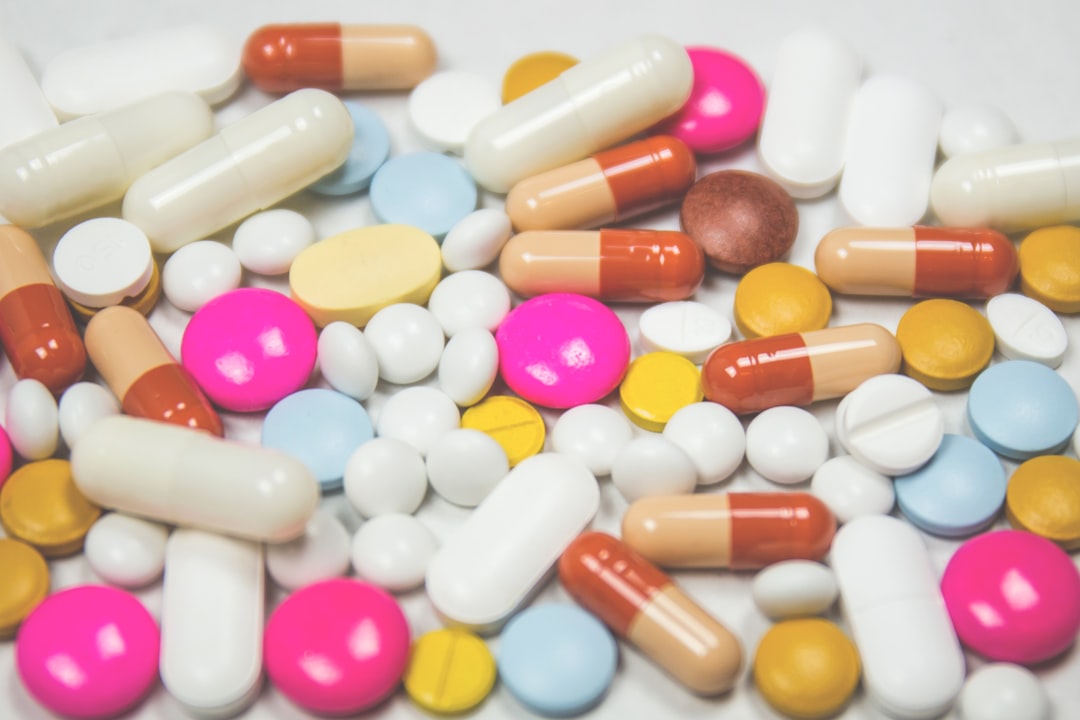
Fake ecstasy pills often contain dangerous drugs. This article explains why looks can be deceiving, shares a real-life story, and offers practical advice for teens on how to stay safe and avoid harm.

Ecstasy overdose is real and dangerous, especially for teenagers. This article explains how it happens, shares a true story, and gives clear advice on staying safe and supporting friends.

Ecstasy can impact teenage mental health, leading to anxiety, depression, and memory issues. This article explains risks, shares a real-life story, and offers practical advice for young people seeking support.
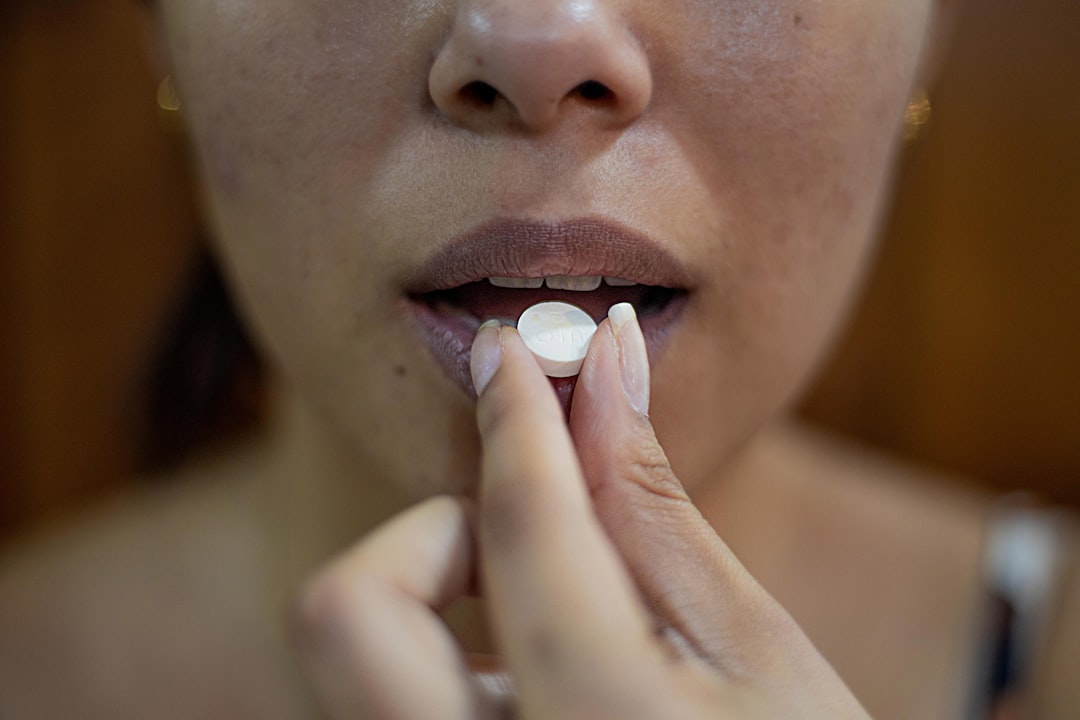
Ecstasy is taken in pills, powder, or capsules, but all methods carry serious risks. This guide explains how it’s used, real-life consequences, and smart strategies to stay safe and avoid harm.

Ecstasy effects last 46 hours, but comedowns can stretch for days. This article explains the full timeline, shares a real-life teen story, and gives clear strategies to manage pressure and stay mentally well.

Eating disorders are treatable with the right support. This article explains UK treatment options, shares a teens experience, and offers practical advice for starting recovery and supporting others on their journey.

Recovery from an eating disorder is possible. This article explores what recovery looks like, shares a teens experience, and offers strategies and support for young people taking steps toward healing.

Men can have eating disorders too. This article breaks the stigma, shares a teens story, and offers guidance on recognising symptoms and seeking help for healthier body image and mental wellbeing.

Eating disorders can’t always be prevented, but risks can be reduced. This article explains how awareness, body positivity, and early support can help teens build healthy relationships with food and themselves.

Eating disorders can be treated and recovery is possible. This article explains recovery, shares a real-life teen story, and offers strategies to support healing and mental health for young people.

Explains how binge eating affects teens, the signs to look for, real-life impact, and ways to seek help and recover.

Eating disorders can be prevented by promoting body positivity, challenging diet culture, and supporting mental health early. This article offers strategies, a teens story, and advice for staying balanced and well.

Doing homework late at night can hurt your sleep, focus, and wellbeing. This guide explains why it’s better to plan earlier, plus strategies to manage your time and reduce late-night stress.
Struggling to manage homework and still enjoy your hobbies? Learn how to balance both with smart time management strategies, real-life examples, and practical planning tips to help you stay focused and stress-free.
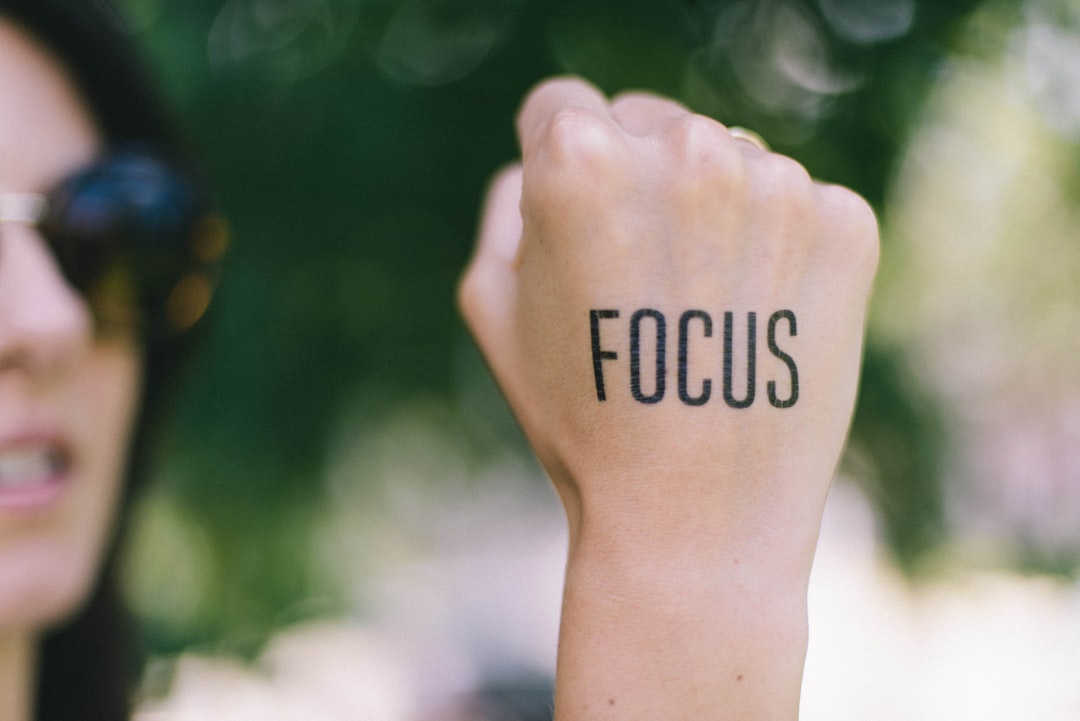
Struggling to stay focused on homework? This guide offers practical, distraction-busting strategies to help you concentrate, finish faster, and feel more in control all without added stress or pressure.

Learn how to finish homework faster with smart techniques that boost focus and save time. This guide offers practical tips to help you get work done efficiently and free up your evenings.
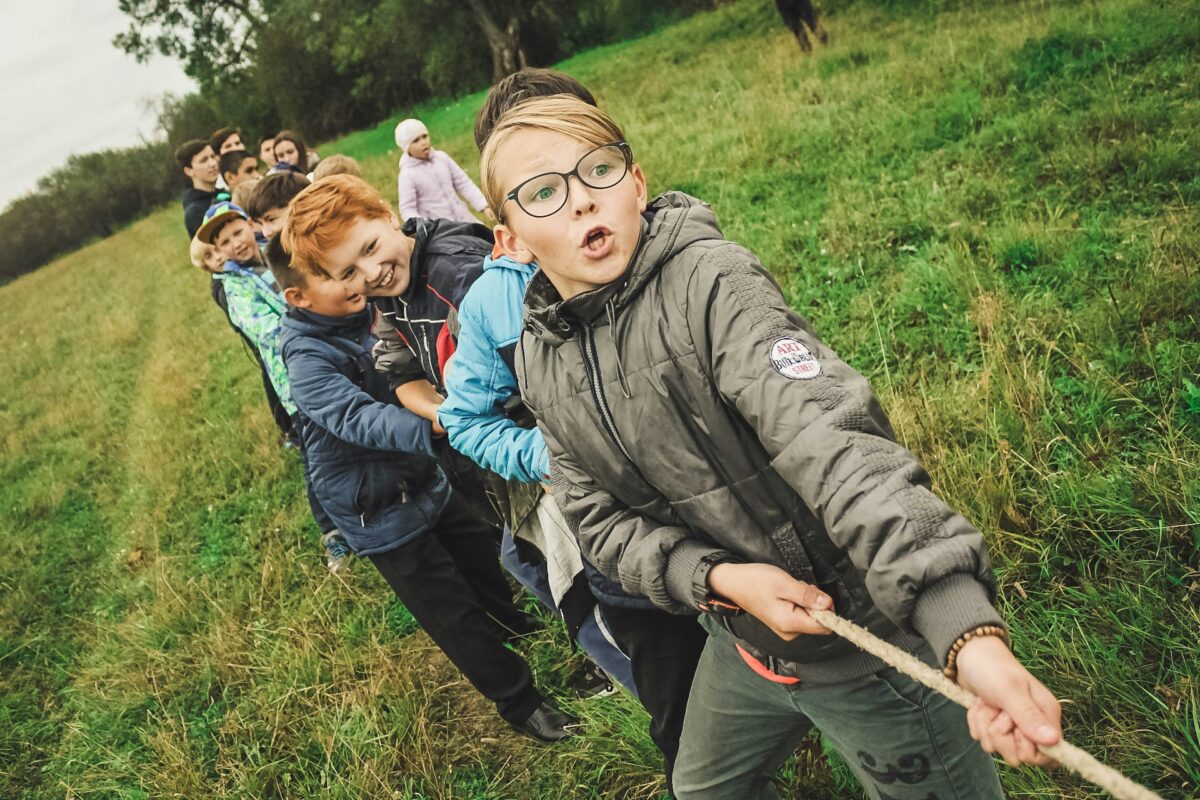
Learning can be fun when its linked to your passions, goals, and personal style. This article explains how to make learning enjoyable, with real-life advice and strategies for teens to stay curious and motivated.

Struggling to fit in fitness with homework? This guide helps UK teens balance school and exercise through simple routines, time-saving tips, and small daily habits to boost mood, energy, and focus.

UK teens must get permission for term-time holidays. This article explains school rules, real-life impacts, and how to manage holiday requests responsibly while keeping up with learning and avoiding penalties.
Hobbies, Online Gaming, School & Hobbies, Uncategorised
How do I protect my online privacy while gaming?
Gaming safely means protecting your online privacy. This article gives UK teens clear strategies for keeping personal info secure, avoiding scams, and staying safe while enjoying games, chat, and social platforms.
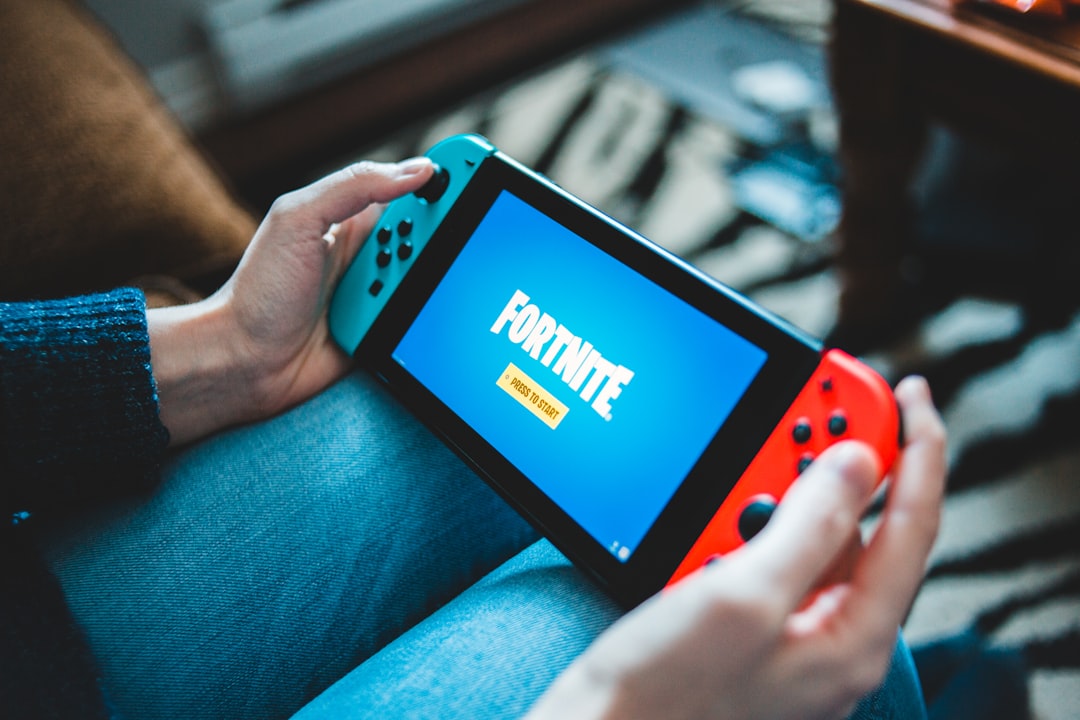
Online bullying in games is real but beatable. This guide helps UK teens recognise toxic behaviour, protect themselves, and take action with practical tools, support, and confidence-boosting strategies for safer, more enjoyable gaming.

Gaming can become more than a hobby. This guide helps UK teens explore ways to earn money through gaming from streaming to content creation with practical advice, real stories, and tips for staying safe and balanced.
UK teens can manage stress through hobbies that relax the mind, boost mood, and create balance. This guide explains how to find, enjoy, and benefit from personal interests during stressful times.