

















Let's get started...
Thinking about trying drugs? For many teenagers, the idea might seem exciting or even harmless, especially when influenced by peers, social media, or curiosity. However, it's essential to understand the risks and consequences involved. Drugs can have far-reaching impacts on your health, relationships, and future. This guide will explore ten crucial considerations to help you make an informed decision.1. Understand What Drugs Are
Drugs are substances that change how your body or mind functions. They can include illegal substances like cannabis, cocaine, and MDMA, as well as legal ones like alcohol, prescription drugs, or nicotine. Each drug has different effects and risks, and understanding them is the first step to making an informed choice.2. Why Do People Try Drugs?
People try drugs for various reasons: curiosity, peer pressure, stress, or a desire to escape reality. Some might experiment because they think it will make them feel good or help them fit in. Recognising why you're considering trying drugs is important, sometimes the underlying reason can reveal better ways to address what you're feeling.3. Short-Term Risks
Drugs can affect your body and mind almost immediately. Depending on the drug, short-term effects might include impaired judgement, lack of coordination, hallucinations, anxiety, or even overdose. Many people underestimate how quickly things can spiral out of control after just one use.4. Long-Term Consequences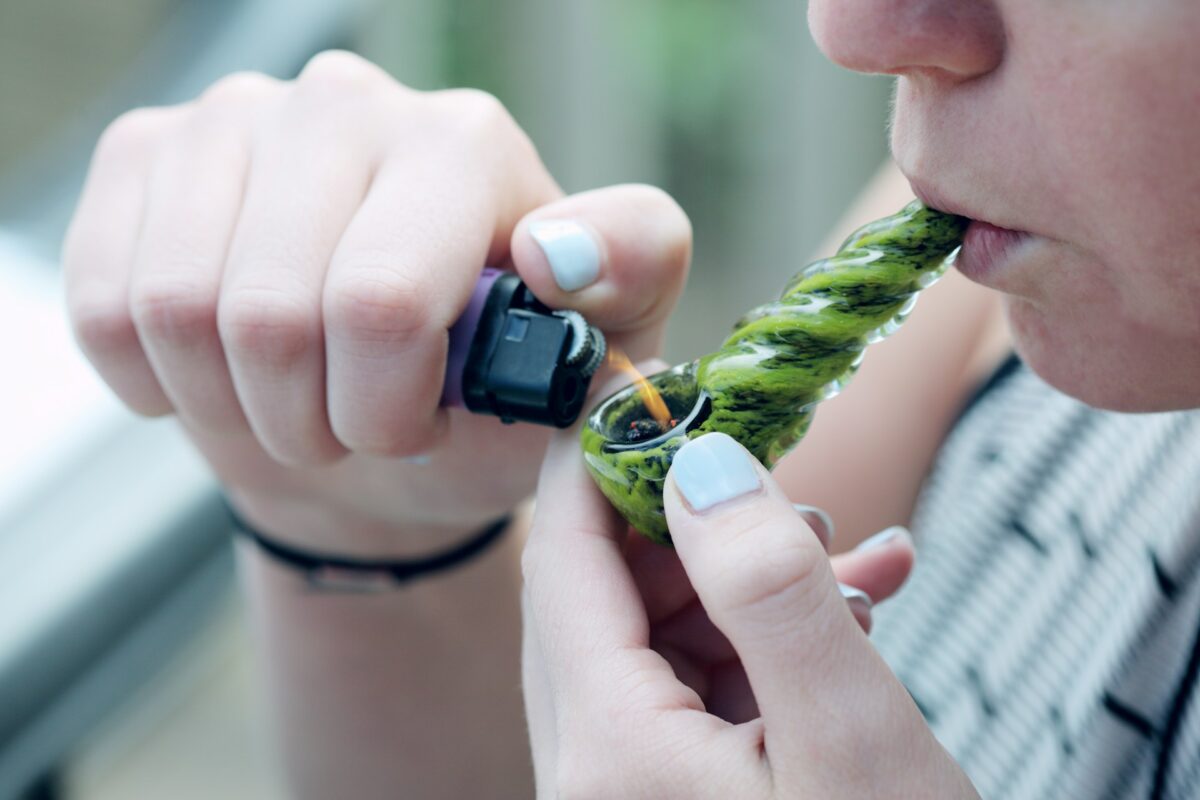
Using drugs can have serious long-term effects on your physical and mental health. These might include addiction, memory loss, reduced concentration, and increased risk of diseases. For young people, the brain is still developing, and drugs can interfere with this process, leading to lasting changes in how you think and feel.
5. The Impact on Relationships
Drugs don't just affect you, they can also impact your relationships with friends, family, and teachers. You may find yourself lying, breaking trust, or becoming distant from loved ones. It's worth considering whether experimenting with drugs is worth the potential strain on these important connections.6. Legal Consequences
In the UK, possessing, selling, or using illegal drugs can result in serious legal consequences, including a criminal record. This can affect your ability to get a job, travel to certain countries, or pursue higher education. Even being caught with a small amount of an illegal substance can have lasting repercussions.7. Real-Life Story: A Teen's Experience
Jordan, a 16-year-old from Leeds, shared his story: "I tried MDMA at a party because everyone else was doing it. At first, it felt fun, but then I started panicking and felt like I couldn't breathe. After that night, I had anxiety attacks every time I thought about what happened. It wasn't worth it." Stories like Jordan's remind us that experimenting with drugs can lead to unexpected and scary outcomes.8. How to Handle Peer Pressure
It can be challenging to say no to drugs when your friends are encouraging you to try them. Here are some strategies for handling peer pressure:- Be firm: "No thanks, I'm not into that."
- Use an excuse: "I've got an early start tomorrow."
- Bring a supportive friend: Surround yourself with people who respect your choices.
- Change the subject: Redirect the conversation to something else.
9. Alternatives to Trying Drugs
Looking for excitement or stress relief? There are many healthier ways to cope. Consider activities like sports, music, creative hobbies, or spending time with friends who share your interests. Finding something that brings you joy or helps you relax can provide the same benefits without the risks.10. Get Help If You're Struggling
If you're feeling pressured, struggling with drug use, or need someone to talk to, there's help available. Speak to a trusted adult, like a parent, teacher, or school counsellor. You can also reach out to organisations like Talk to Frank, which provides confidential advice and support for young people dealing with drug-related issues.Conclusion
Deciding whether to try drugs is a significant choice. By understanding the risks, considering the long-term impact, and knowing how to handle peer pressure, you can make an informed decision that aligns with your goals and values. Remember, saying no to drugs is a decision that protects your health, relationships, and future opportunities.How are you feeling?
It is really important that when we need help, we feel able to ask for it. This could be speaking to a parent, a close friend, a teacher or someone else you trust. Sometimes it can be really hard to share our feelings with other people but if we are feeling low or don't know where to turn, sharing with others is really important. Teachers will always take you seriously and listen to your problems in confidence if you approach them for help. Likewise, parents, siblings or friends will help you if you reach out to them.
If you feel like you can't speak to anyone you know, there are people and organisations that can help support you:
- Childline - Call them on 0800 1111 any time of the day or night, every day of the week
- NSPCC - Call them on 0808 800 5000 between 10am and 4pm Monday to Friday or email them on help@NSPCC.org.uk
- The Samaritans – Call them on 116 123 any time of the day or night, every day of the week
- SANE – Call 0300 304 7000 for support (4:30pm - 10:30pm every day)
- Mind – Call 0300 123 3393 (9:00am - 6:00pm Monday to Friday)
*Sometimes we will use real life examples in our articles to aid understanding. When we do, names and ages will be changed.
