













Let's get started...
Stress is something that affects everyone especially teenagers. School deadlines, exams, friendship drama, family responsibilities, social media pressure, and just trying to figure out who you are can all build up. If you're aged 1317 and living in the UK, you might be feeling that pressure more than ever. The good news is, there are ways to manage stress that don't involve ignoring it or pushing through until you burn out. One powerful tool? Hobbies.
Hobbies are more than just something fun to do in your spare time. They're activities that give you a sense of enjoyment, purpose, and focus all of which help your brain and body cope with stress. From painting and gaming to running or journaling, hobbies give you a healthy escape from everyday worries. In this article, well explore how hobbies reduce stress, look at a real-life example from a young person, and give you practical ways to use your interests as a stress-busting superpower.
What is stress, really?
Stress is the body's natural response to feeling under pressure or threatened. It's not always a bad thing a little bit of stress can help you stay alert or motivated. But when it builds up or sticks around too long, it can start to affect your health, mood, sleep, energy levels, and even your school performance.
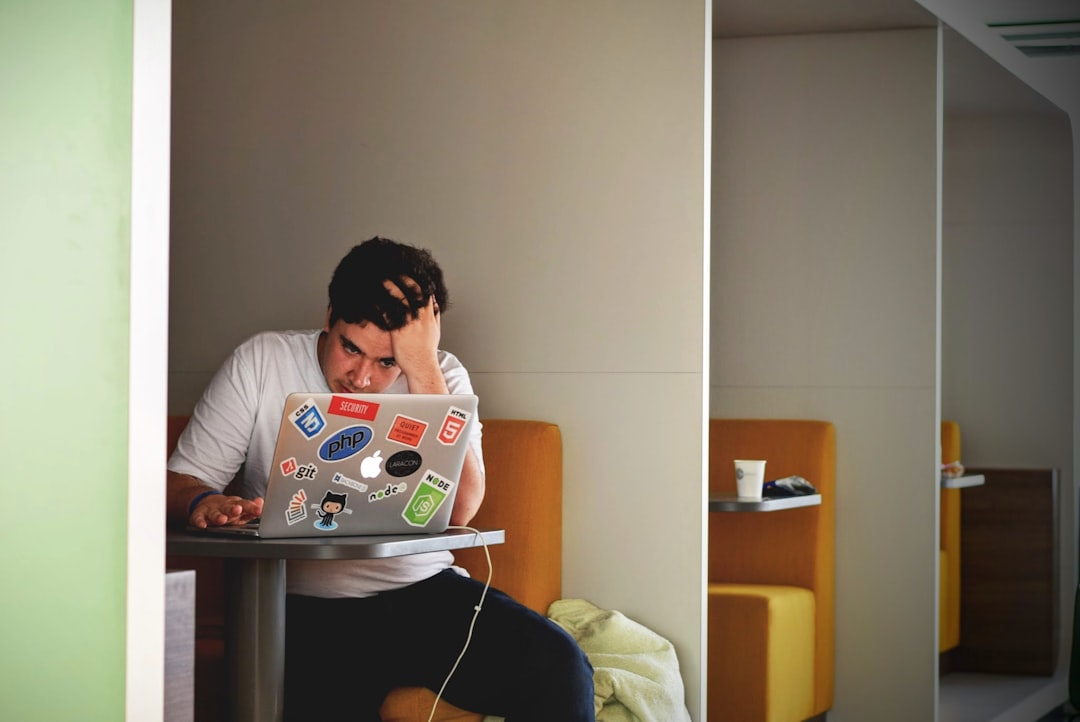
Common signs of stress include:
- Feeling anxious or overwhelmed
- Struggling to concentrate
- Trouble sleeping or changes in appetite
- Headaches or stomach aches
- Snapping at people or feeling easily annoyed
If any of this sounds familiar, you're not alone. Stress is common but it doesn't have to take over your life.
Why hobbies help with stress
Hobbies offer something many stressful situations don't: control, enjoyment, and a break for your mind. Here's how they help:
- They give you a mental break: Focusing on something fun or creative helps take your mind off worries.
- They boost your mood: Doing something you enjoy increases feel-good chemicals like dopamine and serotonin.
- They reduce tension in the body: Physical hobbies like walking, dancing, or sport release built-up energy.
- They give you a sense of achievement: Learning something new or finishing a project boosts confidence.
- They help you express emotions: Creative hobbies like drawing or writing let you process how you feel without words.
Real-life story: Hannah's photography hobby
Hannah, 16, started feeling stressed in Year 11. It was the pressure of GCSEs, she said. I felt like there was always something I should be revising. She began getting headaches, staying up late, and feeling constantly on edge.
One weekend, she borrowed her dads old camera and took it out for a walk. I started noticing things Id never paid attention to before the way the light hit a building, or how a flower looked close up.
Photography quickly became a hobby she could escape into. When I'm looking through a lens, I forget about everything else. It helps me breathe.
Now, Hannah takes her camera out a few times a week. It's helped me stay calm and feel like I have something that's mine not just school, homework, or stress.
Types of hobbies that can help with stress
Everyone's different, so the best hobby for you depends on what you enjoy and how you like to unwind. Here are some categories of hobbies and why they're great for reducing stress:
1. Creative hobbies
Examples: Drawing, painting, writing, photography, music, crafts, journaling
Creative activities give you a way to express emotions, escape overthinking, and get into a calming flow state where time seems to pass without you noticing.
2. Physical hobbies
Examples: Running, dancing, yoga, football, martial arts, swimming
Exercise is one of the best stress relievers. It releases endorphins (natural mood boosters), burns off anxious energy, and helps you sleep better.
3. Relaxing hobbies
Examples: Reading, gardening, puzzles, birdwatching, mindful colouring
These activities calm your nervous system and help you feel grounded, especially if you're overwhelmed or burnt out.
4. Social hobbies
Examples: Team sports, drama club, volunteering, gaming with friends, book clubs
Spending time with others who share your interests can reduce loneliness, build confidence, and give you a safe space to be yourself.
How to use hobbies to manage stress effectively
1. Make time for your hobby
When life gets busy, hobbies are often the first thing we drop. But that's when you need them most. Try to set aside regular time even 1530 minutes a few times a week to do something you enjoy just for yourself.
2. Don't turn it into a competition
Remember: your hobby is not a performance. You don't need to be the best at it. It's okay to do something just because it makes you feel good even if you're not amazing at it.
3. Keep it flexible
Some days you might feel too tired or distracted to dive into a big project. That's fine. Choose smaller versions of your hobby a quick sketch instead of a full painting, or a short walk instead of a long run.
4. Use your hobby as a reset button
When you notice yourself getting tense or anxious, take a break and do your hobby. Even a few minutes can help calm your mind and improve your focus.
5. Try something new if needed
It's okay if your old hobby no longer helps. Stress changes how we feel about things. If you're bored or frustrated, explore new options you might find something even better.
What if I don't have a hobby yet?
That's totally fine. You can start exploring hobbies any time It's never too late. Here are some simple ways to get started:
- Try out a free online video (YouTube is full of tutorials for everything from origami to yoga)
- Join a lunchtime club at school
- Ask friends or family what hobbies they enjoy and see if you can try with them
- Borrow books or kits from the library (like recipe books, drawing guides, or DIY kits)
The most important thing is to choose something that feels interesting or fun to you not what others think is cool or popular.
Other benefits of hobbies
Along with reducing stress, hobbies can also help with:
- Better sleep especially if your hobby helps you unwind in the evening
- Improved focus learning a skill can train your brain to concentrate better in other areas
- Greater self-esteem achieving something or seeing progress can give you a real confidence boost
- Stronger social connections if your hobby involves meeting others, it can ease loneliness
Final thoughts
Stress might be part of life, but it doesn't have to control your life. Hobbies are powerful tools that give you a sense of control, calm, and creativity even when everything else feels overwhelming.
So whether it's painting, running, reading, building models, or baking brownies, find something that lets your brain switch off and your body relax. You deserve time to enjoy yourself, and your mind deserves a break. A small hobby can make a big difference.
Start where you are. Use what you have. Do what you can and let your hobby help you feel better, one small step at a time.
How are you feeling?
It is really important that when we need help, we feel able to ask for it. This could be speaking to a parent, a close friend, a teacher or someone else you trust. Sometimes it can be really hard to share our feelings with other people but if we are feeling low or don't know where to turn, sharing with others is really important. Teachers will always take you seriously and listen to your problems in confidence if you approach them for help. Likewise, parents, siblings or friends will help you if you reach out to them.
If you feel like you can't speak to anyone you know, there are people and organisations that can help support you:
- Childline - Call them on 0800 1111 any time of the day or night, every day of the week
- NSPCC - Call them on 0808 800 5000 between 10am and 4pm Monday to Friday or email them on help@NSPCC.org.uk
- The Samaritans – Call them on 116 123 any time of the day or night, every day of the week
- SANE – Call 0300 304 7000 for support (4:30pm - 10:30pm every day)
- Mind – Call 0300 123 3393 (9:00am - 6:00pm Monday to Friday)
*Sometimes we will use real life examples in our articles to aid understanding. When we do, names and ages will be changed.