

















Let's get started...
Eating disorders are serious mental health conditions that affect people of all ages, genders, and backgrounds. They involve extreme thoughts, feelings, and behaviours related to food, body image, and weight. For teenagers in the UK, the pressure to look a certain way can feel overwhelming especially with social media, exams, and life changes all happening at once. That's why it's so important to talk about prevention. While not every eating disorder can be stopped before it begins, there are many things we can do to reduce the risk and support ourselves and others to stay mentally and physically healthy.
This article will explore how eating disorders can be prevented, share a real-life story from a young person who experienced disordered eating, and offer practical strategies to protect mental health and promote a balanced relationship with food and body image.
What Are Eating Disorders?
Eating disorders are not simply about food. They're about how someone uses food to cope with emotions, gain a sense of control, or deal with stress. These disorders are complex and can affect both mental and physical health. The most common types include:
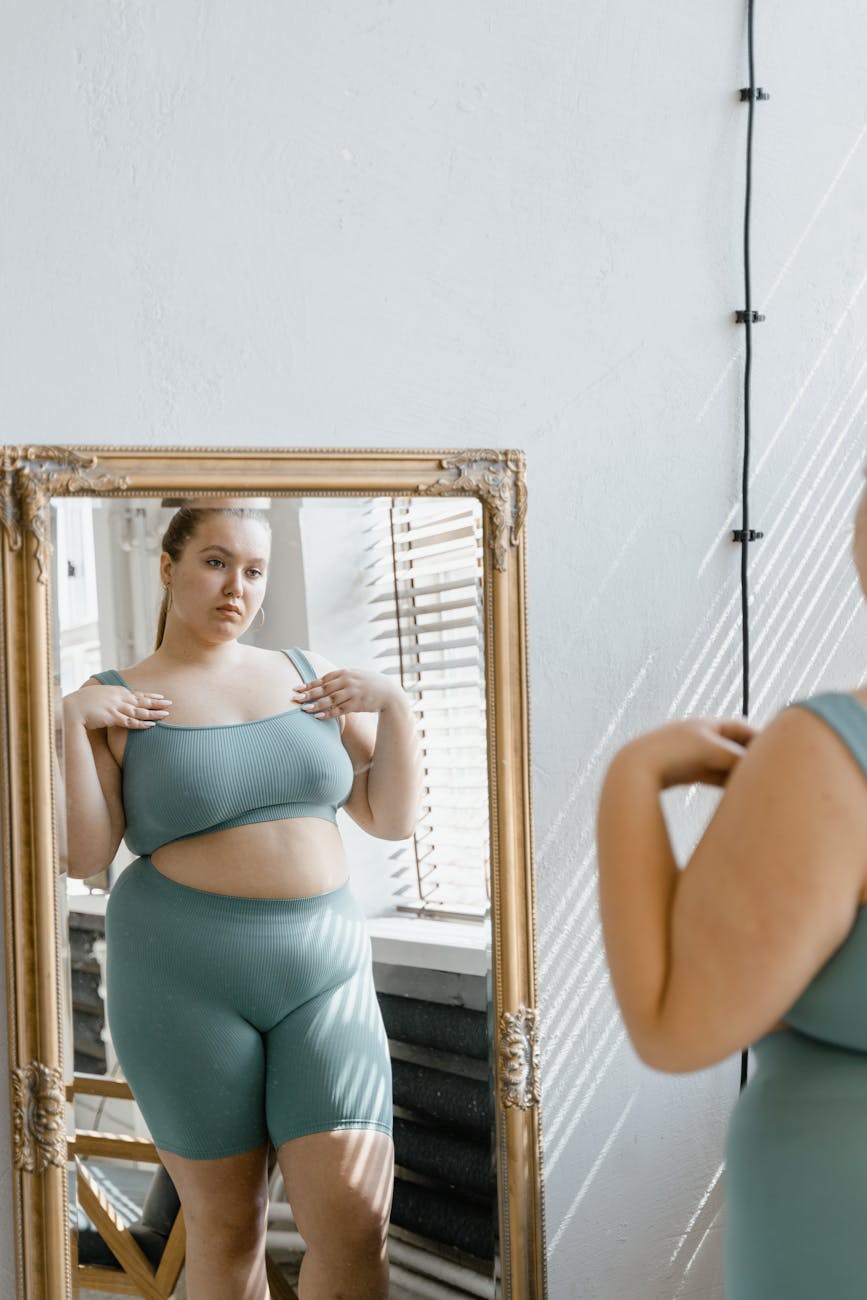
- Anorexia Nervosa Avoiding food or eating very little, often due to a fear of gaining weight and a distorted view of the body.
- Bulimia Nervosa Periods of binge eating followed by behaviours to get rid of food, such as vomiting or excessive exercise.
- Binge Eating Disorder Regular episodes of eating large amounts of food in a short time, often in secret and with feelings of guilt or shame.
- ARFID (Avoidant/Restrictive Food Intake Disorder) A pattern of eating where someone avoids certain foods due to taste, texture, or fear of choking, rather than body image concerns.
Eating disorders can lead to serious physical complications like heart problems, low energy, weak bones, and even hospitalisation. They can also affect school performance, relationships, and mental wellbeing. That's why prevention matters especially during the teenage years when many eating disorders begin.
Can Eating Disorders Be Prevented?
Not every eating disorder can be completely prevented. Some people may be more at risk due to factors like genetics, personality traits, past trauma, or other mental health challenges. However, many of the social and environmental triggers can be reduced. Prevention is about creating healthy habits, building emotional resilience, and challenging harmful messages about food and body image. Everyone whether they're struggling or not can benefit from learning how to create a positive relationship with their body and mind.
Real-Life Story: Amira's Experience
Amira, 16, from Manchester, began struggling with food in Year 9. It started when we had a school play, and I didn't fit into the costume like the other girls, she says. People made comments like, You'd look better if you lost a bit of weight. I laughed it off, but it stuck with me.
Amira began skipping meals, exercising in secret, and cutting out entire food groups. At first, people praised me. They said I looked good, which only made it harder to stop. Eventually, Amira felt tired all the time, her periods stopped, and she couldn't focus in school. I knew something was wrong, but I felt like I couldn't go back.
With support from her mum and school counsellor, Amira got help from a local eating disorder service. Recovery wasn't easy. I had to challenge everything I thought I knew about food and my body. But if we had more honest conversations about this earlier in school or online maybe it wouldn't have got that far.
What Increases the Risk of Eating Disorders?
Understanding what increases the risk of developing an eating disorder can help us work towards prevention. Common risk factors include:
- Low self-esteem or perfectionism
- Dieting or restricting food, especially at a young age
- Bullying or teasing about weight or appearance
- High use of social media and comparing your body to others
- Pressure to perform in school, sports, or other areas
- Family members or friends who diet or talk negatively about their bodies
While these risk factors don't automatically lead to an eating disorder, they can contribute to unhealthy thoughts and behaviours. By addressing them early, we can reduce the chance of more serious issues developing.
How to Prevent Eating Disorders
Here are practical strategies that can help prevent eating disorders in yourself and others:
1. Build a Positive Body Image
- Focus on what your body can do, not just how it looks.
- Avoid comparing your body to others especially online.
- Wear clothes that make you feel comfortable and confident.
- Don't criticise your own or others bodies. Be kind in how you speak about appearance.
2. Challenge Diet Culture
- Recognise that all bodies are different, and there's no ideal shape.
- Unfollow social media accounts that promote extreme dieting or unrealistic beauty standards.
- Be wary of trends like clean eating or detoxes that sound healthy but can be restrictive.
- Remember that food is not good or bad It's fuel and enjoyment.
3. Talk About Emotions
- It's okay to feel stressed, anxious, or sad. Talk about your feelings instead of bottling them up.
- Find healthy ways to cope with emotions, like writing, drawing, exercising, or talking to someone you trust.
- Don't be afraid to ask for help. Speaking up early can stop problems from getting worse.
4. Eat Regular, Balanced Meals
- Try to eat three meals and 12 snacks each day to keep your energy and mood stable.
- Include a variety of foods carbs, proteins, fats, fruits, and vegetables without guilt.
- Allow yourself treats. Enjoying food is part of a healthy lifestyle.
5. Support Your Friends
- If someone you know is skipping meals or talking negatively about their body, check in with them.
- Say something like, You've seemed really down lately do you want to talk?
- Encourage them to speak to a teacher, parent, or school counsellor if you're worried.
- Remind your friends they are more than how they look. Be kind it makes a difference.
How Schools and Communities Can Help
Preventing eating disorders is not just about individuals schools, families, and communities also play a big role. Here's how they can help:
- Education: Include lessons on body image, mental health, and media literacy in PSHE classes.
- Safe environments: Create spaces where people feel comfortable eating, asking questions, and being themselves.
- Positive role models: Adults should avoid commenting negatively on their own or others appearance in front of young people.
- Support services: Make sure pupils know how to access help through school counsellors, nurses, or external services like BEAT.
What to Do If You're Worried
If you think you or someone else may be at risk of developing an eating disorder, the best thing to do is talk to someone. Early help makes a big difference. You can speak to:
- Your parent or carer
- A teacher, school nurse, or counsellor
- Your GP, who can refer you to a specialist team
- BEAT Eating Disorders A UK charity with free helplines, live chat, and information for young people and families
- Childline Available 24/7 for anyone under 19. Call 0800 1111 or use their online chat
Final Thoughts
Preventing eating disorders is possible, especially when we start young, speak openly, and challenge harmful messages around food and appearance. By looking after your mental wellbeing, building a balanced relationship with food, and supporting others, you can make a real difference for yourself and those around you.
Remember, your worth is not measured by your weight, shape, or what you eat. You are valuable just as you are. And if things ever feel too difficult, you don't have to face them alone. Help is out there and recovery is always possible.
How are you feeling?
It is really important that when we need help, we feel able to ask for it. This could be speaking to a parent, a close friend, a teacher or someone else you trust. Sometimes it can be really hard to share our feelings with other people but if we are feeling low or don't know where to turn, sharing with others is really important. Teachers will always take you seriously and listen to your problems in confidence if you approach them for help. Likewise, parents, siblings or friends will help you if you reach out to them.
If you feel like you can't speak to anyone you know, there are people and organisations that can help support you:
- Childline - Call them on 0800 1111 any time of the day or night, every day of the week
- NSPCC - Call them on 0808 800 5000 between 10am and 4pm Monday to Friday or email them on help@NSPCC.org.uk
- The Samaritans – Call them on 116 123 any time of the day or night, every day of the week
- SANE – Call 0300 304 7000 for support (4:30pm - 10:30pm every day)
- Mind – Call 0300 123 3393 (9:00am - 6:00pm Monday to Friday)
*Sometimes we will use real life examples in our articles to aid understanding. When we do, names and ages will be changed.
