













Let's get started...
When it comes to getting fit or staying active, one of the first things many people think of is the gym. You've probably seen influencers posting from high-tech fitness centres, or maybe heard friends talk about their gym routines. But here's a question that matters, especially if you're a teenager: Do you actually need to go to a gym to exercise?
The short answer is no absolutely not. While gyms can offer great facilities, they're not the only way to move your body, feel strong, and stay healthy. In fact, there are loads of ways to exercise that don't require a membership, special equipment, or even leaving your house. This article is for British teenagers aged 1317 who want to feel better physically and mentally without the pressure or cost of hitting the gym.
Well break down what exercise really is, share a real-life story of a young person who found confidence without gym walls, and give you practical strategies to build your own routine using what you've got.
What counts as exercise?
Exercise doesn't have to mean lifting weights or running on a treadmill. It simply means moving your body in a way that increases your heart rate and works your muscles. That could be anything from dancing in your room, walking to school, playing football in the park, or doing a home workout.
There are three main types of exercise:
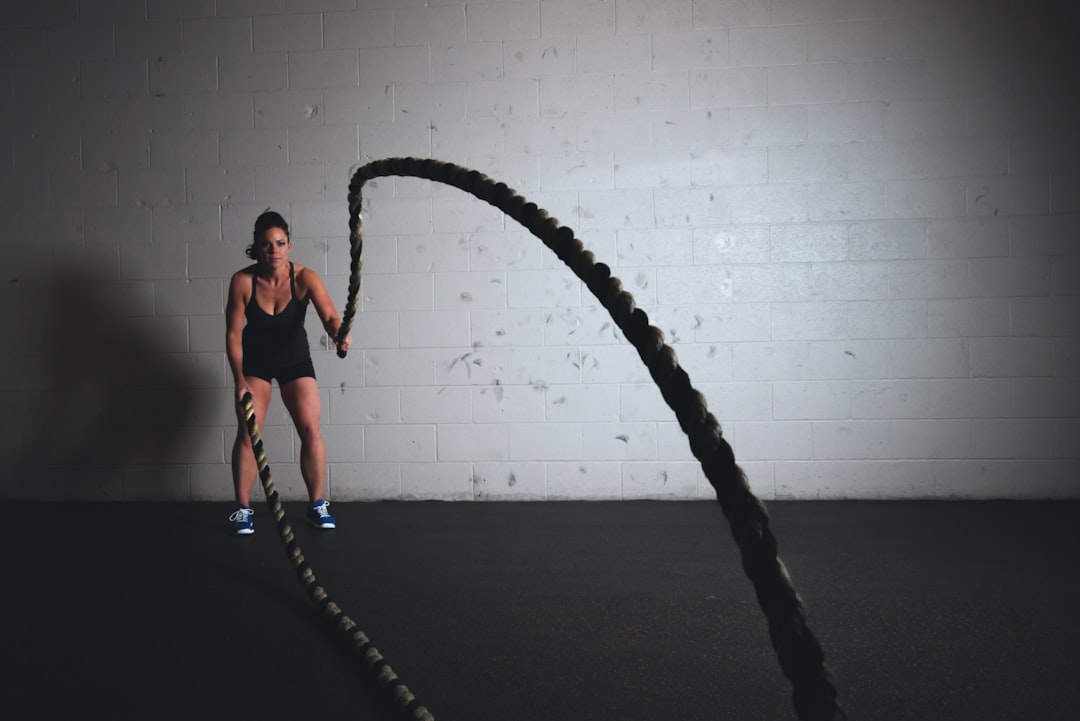
- Cardio (aerobic): Activities like walking, cycling, swimming or dancing that get your heart rate up
- Strength: Bodyweight exercises like push-ups, squats, or using resistance bands to build muscle
- Flexibility: Movements like stretching or yoga that help with balance and mobility
All of these can be done without a gym. What matters is consistency, not location.
Real-life story: Mayas discovery
Maya, aged 15, used to feel embarrassed about exercise. I thought the only way to get fit was by going to a gym, but I didn't have a membership and even if I did, I wouldn't know what to do, she said.
After watching a few short YouTube workout videos, she decided to give it a go at home. I started with 10 minutes of dancing, and it actually made me feel amazing. No one was watching, and I didn't need any equipment.
She built a routine of doing three or four workouts a week a mix of cardio, strength, and yoga. Her confidence grew, her stress levels dropped, and she realised that fitness isn't about where you do it, but how it makes you feel.
I still don't go to a gym, Maya said, but I've never felt fitter or stronger. It's empowering to know I can do it my way.
Why you don't need a gym to exercise
There are plenty of good reasons why skipping the gym can still mean staying active:
1. Gyms can be expensive
Most gym memberships cost between 15 and 40 a month, which can be a lot if you're still in school or college. Home workouts, walking, and sports in the park are completely free.
2. Gyms can be intimidating
If you've never been to one, gyms can feel overwhelming especially when you don't know how to use the equipment or feel like everyone's watching. Exercising in a space where you feel comfortable can help you stay motivated.
3. You have everything you need already
With your body and a little space, you can do almost every type of exercise. Bodyweight movements like squats, planks, push-ups, and lunges are incredibly effective and you can do them anywhere.
4. You can make it fun
Exercise should be something you enjoy, not dread. Whether it's rollerblading, skipping, walking your dog, or joining a dance challenge on TikTok fun counts as fitness.
Simple, no-gym workout ideas for teens
1. Bodyweight circuit (no equipment needed)
Try this quick 20-minute workout:
- 30 seconds jumping jacks
- 10 squats
- 10 push-ups (or on knees)
- 20 mountain climbers
- 15-second plank
Repeat the circuit 34 times with 1-minute rests in between.
2. Dance it out
Put on your favourite playlist and dance like no ones watching because no one is! Aim for at least 1015 minutes to get your heart rate up.
3. Try a YouTube workout
Some great beginner-friendly channels include:
- PE with Joe (The Body Coach)
- Pamela Reif
- Fitness Blender
- Yoga with Adriene (great for stretching and calming your mind)
4. Walk or cycle
Walking or cycling to school, the shop, or around your neighbourhood is a great way to get your steps in. Bring music or a podcast to keep it interesting.
5. Join a free or low-cost class
check your local community centre or leisure centre many offer teen classes or open sessions for little or no money. Some schools even run free after-school sports or fitness clubs.
How to stay motivated without a gym
One challenge of not going to the gym is keeping yourself motivated. Without a set routine or space to go, it's easy to put it off. Here are some tips:
- Set a schedule: Treat workouts like appointments. Pick days and times and write them down.
- Track your progress: Use a notebook or app to log what you've done. Seeing improvements feels great.
- Buddy up: Do a challenge with a friend, or check in to keep each other accountable.
- Make a playlist: Good music can totally change your energy levels and help you power through.
- Mix it up: Try different styles of movement to avoid getting bored.
What if I *want* to go to the gym?
That's totally okay too! If you feel ready, confident, and curious, a gym can be a good place to explore different equipment and workout styles. Just make sure:
- You've had an induction (many gyms require this for under-18s)
- You follow gym etiquette (clean equipment, be polite, don't hog machines)
- You ask staff for help if you're not sure how to use something
- You go for the right reasons not because of pressure or comparison
Some gyms offer discounted or youth memberships for 1317-year-olds, but always check their age policies and whether adult supervision is needed.
How exercise helps beyond fitness
Whether you go to a gym or not, regular movement can help you with:
- Mental health: Reduces anxiety and boosts mood thanks to endorphins
- Sleep: Helps you fall asleep faster and sleep more deeply
- Focus: Improves concentration in school
- Confidence: Feeling stronger and more capable builds self-esteem
Exercise isn't just about changing how you look It's about changing how you feel. That's something everyone can benefit from, gym or no gym.
Final thoughts
So, do you need to go to a gym to exercise? Absolutely not. You can build strength, improve your fitness, boost your mood, and feel amazing using just your body, a bit of space, and a positive mindset.
Whether you're dancing in your room, walking your dog, doing push-ups in your garden, or following a YouTube workout, you're already an athlete in your own way. It's not about where you move It's about how it makes you feel. Move your body, your way and enjoy every step.
How are you feeling?
It is really important that when we need help, we feel able to ask for it. This could be speaking to a parent, a close friend, a teacher or someone else you trust. Sometimes it can be really hard to share our feelings with other people but if we are feeling low or don't know where to turn, sharing with others is really important. Teachers will always take you seriously and listen to your problems in confidence if you approach them for help. Likewise, parents, siblings or friends will help you if you reach out to them.
If you feel like you can't speak to anyone you know, there are people and organisations that can help support you:
- Childline - Call them on 0800 1111 any time of the day or night, every day of the week
- NSPCC - Call them on 0808 800 5000 between 10am and 4pm Monday to Friday or email them on help@NSPCC.org.uk
- The Samaritans – Call them on 116 123 any time of the day or night, every day of the week
- SANE – Call 0300 304 7000 for support (4:30pm - 10:30pm every day)
- Mind – Call 0300 123 3393 (9:00am - 6:00pm Monday to Friday)
*Sometimes we will use real life examples in our articles to aid understanding. When we do, names and ages will be changed.