

















Let's get started...
Ecstasy, also known as MDMA, is a popular drug among teenagers and young adults, especially at raves, festivals, and house parties. It's often seen as a party drug that boosts energy, makes music feel more intense, and creates feelings of happiness and closeness with others. Because of this, some people think It's safe or harmless. But the reality is very different. Yes you can overdose on ecstasy, and the consequences can be serious, sometimes even deadly.
In this article, well explore what it means to overdose on ecstasy, how it happens, what the risks are, and what a real-life case looks like. Most importantly, well talk about how to protect yourself and your friends, and where to go for help if you're feeling unsure or pressured.
What is ecstasy and what does it do?
Ecstasy (MDMA) is a synthetic drug that affects how your brain processes mood, energy, and emotion. It mainly increases the activity of three brain chemicals:
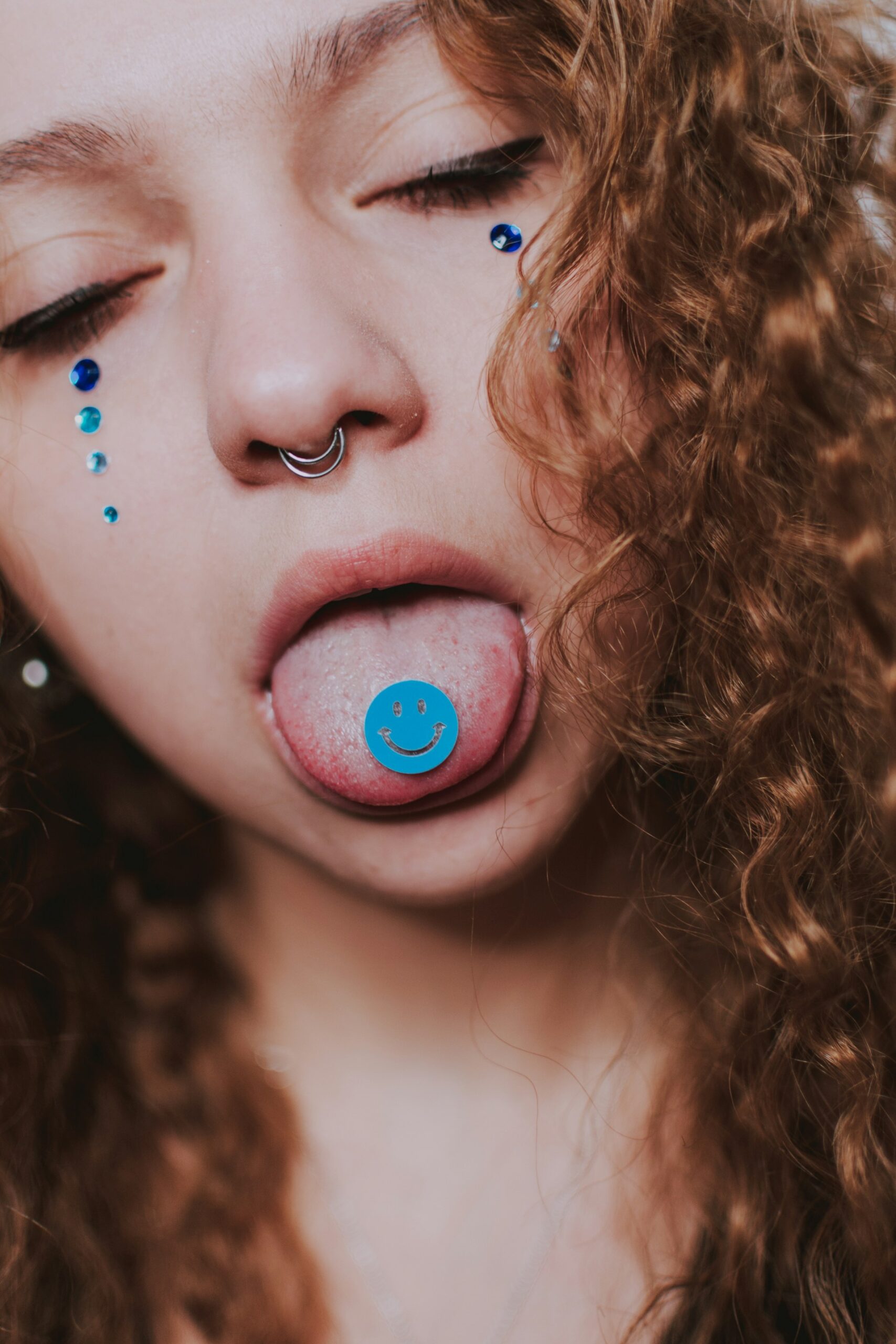
- Serotonin controls mood, happiness, and emotional responses.
- Dopamine connected to pleasure, motivation, and reward.
- Norepinephrine affects heart rate and blood pressure.
When someone takes ecstasy, they often feel energetic, euphoric, more confident, and emotionally open. But it can also cause unwanted side effects like anxiety, confusion, sweating, jaw clenching, and nausea. And if someone takes too much, or mixes it with other substances, it can lead to an overdose.
Can you overdose on ecstasy?
Yes, you can. An ecstasy overdose happens when the amount of MDMA in your system becomes toxic either because of a large single dose, taking multiple pills in a short time, or combining it with other drugs or alcohol. The strength of ecstasy pills or powders can vary a lot, and many contain other dangerous substances like amphetamines, caffeine, or even bath salts. That means you might take something much stronger than expected without realising it.
Even one pill can cause an overdose in some people, especially if it's high strength or the person is sensitive to the effects. Teenagers and young adults are particularly at risk because your bodies and brains are still developing, and you're more likely to underestimate the dangers.
What does an ecstasy overdose look like?
The symptoms of an ecstasy overdose can be scary and life-threatening. They might include:
- High body temperature (overheating)
- Fast or irregular heartbeat
- Seizures or convulsions
- Confusion, panic, or extreme agitation
- Fainting or collapsing
- Vomiting or severe nausea
- Difficulty breathing
- Loss of consciousness
One of the most dangerous risks with ecstasy is overheating. Because the drug boosts your energy and you're often dancing in a hot, crowded space, your body can struggle to cool down. This can lead to heatstroke, which damages your organs and brain and it can be fatal.
Another risk is drinking too much water. Some people on ecstasy feel thirsty and drink large amounts of water quickly, but because MDMA affects how your body handles salt and fluid, this can lead to a condition called hyponatraemia (water intoxication), which can also be deadly.
A real-life story: Tasha's experience
Tasha was 16 when she went to a music festival with her friends. It was her first big event, and everyone around her seemed to be taking pills. Shed heard about ecstasy online and thought it was just part of the experience. Her friend gave her a pill and told her, it's safe we all take it.
At first, Tasha felt great the music felt amazing, and she was laughing and dancing more than she ever had. But within an hour, things started to go wrong. She began feeling dizzy, her heart was racing, and she couldn't stop grinding her teeth. Her body felt unbearably hot, and she suddenly collapsed on the grass.
Paramedics were called, and Tasha was rushed to hospital. She had suffered from overheating and dehydration, and doctors said she was lucky to survive. It took her several months to recover, both physically and mentally.
I thought I was just having a bit of fun, she said. But that one pill nearly cost me everything.
Why do overdoses happen?
There are several reasons why an ecstasy overdose might happen and many are beyond your control. Here are some of the main causes:
- Unknown strength of the pill Ecstasy tablets and powders can contain different amounts of MDMA. Some pills sold as ecstasy contain very high doses or completely different drugs altogether.
- Mixing drugs Combining ecstasy with alcohol, cannabis, or other substances can increase the risk of harmful reactions.
- Taking multiple doses Some people re-dose when they feel the effects fading, but this builds up the amount of MDMA in the system and increases the risk of overdose.
- Physical environment Dancing in hot, crowded venues increases the chance of overheating or dehydration.
- Individual differences Everyone's body reacts differently. Some people are more sensitive to MDMA or have health conditions that make it more dangerous.
How to stay safe
It's best not to take ecstasy at all. But if you or someone you know is going to be in a situation where it might come up, here are some practical steps to reduce the risks:
1. Know the risks
Understanding the dangers of ecstasy especially the risk of overdose can help you make informed decisions. Just because other people are doing it doesn't mean it's safe. Every body is different, and one persons good time could be another persons emergency.
2. Don't give in to pressure
It's okay to say no. You don't owe anyone an explanation, and you're not boring or weak for choosing to stay in control. Try saying:
- Nah, I'm not into that.
- I'm good, I want to enjoy the night properly.
- I've got stuff to do tomorrow, don't want to feel rough.
Your real friends will respect your choices. If they don't, it might be worth thinking about why you're spending time with them.
3. Look after your mates
If you notice someone acting strangely overheating, panicking, or passing out don't ignore it. Get help straight away. Call 999 and tell them exactly what the person has taken, if you know. Paramedics are there to save lives, not get people in trouble.
4. Stay hydrated but not too much
If someone has taken ecstasy, sip water slowly and avoid drinking more than a pint per hour. Isotonic sports drinks can also help keep the body balanced. But never force someone to drink if they're not fully alert or are being sick.
5. Know where to get help
If you're worried about drug use, either for yourself or someone close to you, there's support available:
- Talk to Frank Honest drug advice and 24/7 helpline: talktofrank.com
- YoungMinds Mental health support: youngminds.org.uk
- Childline Speak to someone in confidence: 0800 1111 or childline.org.uk
Final thoughts
Ecstasy might look like a fun, social drug but it carries real, life-threatening risks. Overdosing on MDMA can happen suddenly, and it doesn't take a lot for things to go wrong. What starts as a night out could turn into a medical emergency, and the damage can last far beyond the party.
As a teenager, you're going to face all sorts of choices, peer pressure, and moments where you want to fit in. But protecting your health, your mind, and your future is never something to be embarrassed about. You have the right to make choices that keep you safe and help others do the same. Speak up, stay informed, and don't be afraid to ask for help. It could save a life.
How are you feeling?
It is really important that when we need help, we feel able to ask for it. This could be speaking to a parent, a close friend, a teacher or someone else you trust. Sometimes it can be really hard to share our feelings with other people but if we are feeling low or don't know where to turn, sharing with others is really important. Teachers will always take you seriously and listen to your problems in confidence if you approach them for help. Likewise, parents, siblings or friends will help you if you reach out to them.
If you feel like you can't speak to anyone you know, there are people and organisations that can help support you:
- Childline - Call them on 0800 1111 any time of the day or night, every day of the week
- NSPCC - Call them on 0808 800 5000 between 10am and 4pm Monday to Friday or email them on help@NSPCC.org.uk
- The Samaritans – Call them on 116 123 any time of the day or night, every day of the week
- SANE – Call 0300 304 7000 for support (4:30pm - 10:30pm every day)
- Mind – Call 0300 123 3393 (9:00am - 6:00pm Monday to Friday)
*Sometimes we will use real life examples in our articles to aid understanding. When we do, names and ages will be changed.
