

















Let's get started...
Ecstasy, also known as MDMA, is a drug that's often linked to parties, raves, and festivals. You might have heard people call it E, Mandy, or X. It's known for making users feel more energetic, happy, and connected to others. Because It's often talked about casually, especially in music or online, some teenagers believe It's not that dangerous. But what's less discussed is the reality of how ecstasy is taken, the different methods people use, and the risks that come with each one especially for young people whose bodies and brains are still developing.
This article breaks down the ways ecstasy is used, the impact it can have including a real-life story of one young persons experience and provides practical advice for making safe choices, resisting pressure, and supporting your friends.
What is ecstasy?
Ecstasy is the street name for MDMA (3,4-methylenedioxymethamphetamine), a man-made drug that alters mood and perception. It increases the activity of certain chemicals in the brain like serotonin, dopamine, and norepinephrine which control your mood, energy levels, and feelings of connection. That's why people often say they feel euphoric or super chatty on it. But it also comes with serious side effects, both in the short and long term.
Because MDMA is illegal and not made in regulated labs, there's no guarantee of what's actually in it. What's sold as ecstasy might contain other substances like caffeine, ketamine, PMA (a much more dangerous drug), or synthetic stimulants making its effects more unpredictable and dangerous.
How is ecstasy taken?
People take ecstasy in several different ways, depending on how it's made, what it looks like, and the kind of high they want. Each method has its own risks and none of them are safe.
1. Swallowing pills or tablets
This is the most common way ecstasy is taken. The pills often come in bright colours and might have logos or designs stamped into them like stars, smiley faces, or brand names.
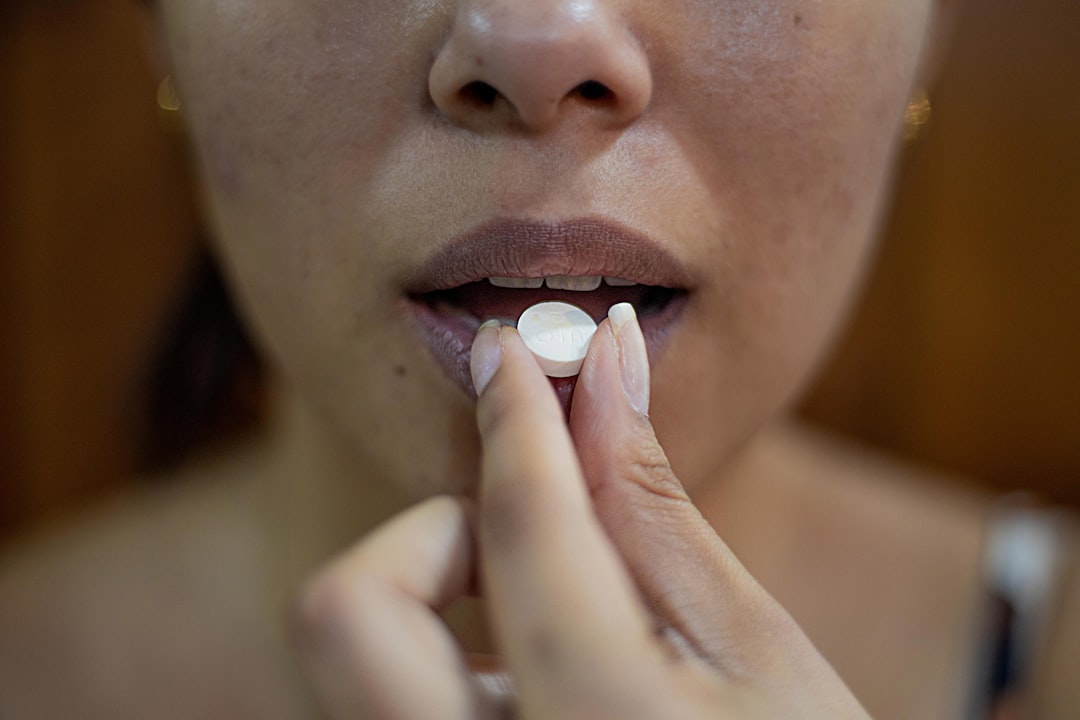
- How it works: The pill is swallowed and absorbed through the stomach and digestive system. Effects usually begin after 30-60 minutes and can last for 4-6 hours.
- Risks: You don't know how strong the pill is, or even if it's MDMA at all. Some pills have dangerously high doses or contain other drugs entirely. Swallowing more than one increases the risk of overdose or serious side effects.
2. Bombing (wrapping powder in paper and swallowing it)
Some people take MDMA in powder or crystal form and wrap it in cigarette paper before swallowing it. This method is called "bombing."
- How it works: The powder is absorbed through the digestive system, like a pill. Some people do it because they think it hits faster or harder.
- Risks: It's easy to take too much without measuring. Some powders are very strong, and the effects can be unpredictable. Bombing can also cause nausea, stomach pain, and longer comedowns.
3. Dabbing (licking the powder)
Dabbing means putting a small amount of MDMA powder on your finger and licking it. Some users think this helps them test how strong the drug is, but that's misleading and dangerous.
- How it works: The MDMA is absorbed through the mouth lining. Some people report effects faster this way.
- Risks: There's no way to measure the amount you're taking. If the powder is stronger than expected or mixed with other drugs, it could cause immediate negative effects.
4. Snorting (insufflation)
Though less common among younger users, some people snort MDMA powder through their nose, similar to how cocaine is used.
- How it works: Snorting sends the drug straight into the bloodstream via the nasal lining. Effects usually come on faster but don't last as long.
- Risks: Snorting can damage the nose lining, cause nosebleeds, and increase the risk of overdose due to the faster hit. It's also more likely to cause anxiety, paranoia, and dehydration.
5. Mixing with alcohol or other drugs
Some people take ecstasy while drinking alcohol or using other drugs, like cannabis or ketamine. This is especially common at festivals or parties.
- How it works: The combination of substances can change the way MDMA affects the brain and body.
- Risks: Mixing substances increases the chance of a bad reaction. Alcohol dehydrates you, which makes overheating and comedowns worse. Mixing with depressants (like alcohol) or other stimulants can strain the heart and cause panic attacks, blackouts, or even death.
Real-life story: Ella's experience
Ella was 17 when she went to her first proper music festival. Her mates were all taking ecstasy in pill form, and someone offered her a tablet, saying it would make the music feel next level. Ella was unsure but didn't want to be left out, so she took half to start with and then the other half an hour later when she didn't feel much.
What she didn't know was that the pill was extremely strong and contained over 250mg of MDMA more than twice the usual dose. Within 30 minutes, Ella began to feel dizzy, overheated, and confused. Her heart was racing, and she couldn't stop grinding her teeth. She collapsed near the front of the stage and had to be carried out by security.
Paramedics treated her for heatstroke and dehydration. She recovered after a night in hospital, but the mental and physical after-effects lasted for weeks. I didn't realise how dangerous it could be just swallowing one pill, Ella said later. Now I know how lucky I was.
What are the risks of taking ecstasy in any form?
While some people take ecstasy and feel fine, others experience serious or even life-threatening effects especially if they're young, new to it, or taking a strong or fake dose. Here are just some of the risks:
- Overheating and dehydration
- Panic attacks and anxiety
- Heart problems and high blood pressure
- Memory loss and difficulty concentrating
- Depression and mood swings after the high
- Overdose, especially with strong or mixed pills
- Long-term brain changes from repeated use
Teenagers are at even higher risk because your brains are still developing, making the impact of ecstasy especially on mood, memory, and decision-making potentially more long-lasting.
How to deal with peer pressure and stay safe
It's totally normal to want to fit in, especially when you're surrounded by people who seem like they're having fun. But staying safe and confident in your choices is one of the best things you can do for yourself. Here's how:
1. Have a plan before you go out
Decide in advance what your boundaries are. Will you say no to pills? Are you okay with alcohol only? Make a choice while you're clear-headed not in the moment when pressure is high.
2. Use confident, simple responses
- Nah, I'm not into that.
- I'm just here for the music.
- I want to actually remember tonight.
You don't need to explain yourself. People who respect you won't push it.
3. Stick with friends who look out for each other
Go out with people you trust. Make a deal to watch each others drinks, stay together, and get help if something goes wrong.
4. Know what to do in an emergency
If someone has taken ecstasy and:
- Can't speak properly
- Is overheating or sweating heavily
- Faints or collapses
- Seems panicked or paranoid
call 999 straight away. Paramedics are there to help, not judge. Time can make the difference between recovery and serious damage.
5. Know where to go for help and advice
- Talk to Frank talktofrank.com
- Childline 0800 1111 or childline.org.uk
- YoungMinds youngminds.org.uk
Final thoughts
Ecstasy might be taken in different ways swallowed as a pill, bombed in paper, snorted as powder but the risks are always there. There's no safe way to take an illegal drug, especially when what's sold as MDMA can be something completely different. For young people, the effects on your health, mood, and future can be serious even after just one try.
If you're ever in a situation where drugs are involved, remember that your choices matter. It's okay to say no. It's okay to look out for your mates. And It's more than okay to ask for help if something doesn't feel right. You've got one life, one brain, and one future protect it.
How are you feeling?
It is really important that when we need help, we feel able to ask for it. This could be speaking to a parent, a close friend, a teacher or someone else you trust. Sometimes it can be really hard to share our feelings with other people but if we are feeling low or don't know where to turn, sharing with others is really important. Teachers will always take you seriously and listen to your problems in confidence if you approach them for help. Likewise, parents, siblings or friends will help you if you reach out to them.
If you feel like you can't speak to anyone you know, there are people and organisations that can help support you:
- Childline - Call them on 0800 1111 any time of the day or night, every day of the week
- NSPCC - Call them on 0808 800 5000 between 10am and 4pm Monday to Friday or email them on help@NSPCC.org.uk
- The Samaritans – Call them on 116 123 any time of the day or night, every day of the week
- SANE – Call 0300 304 7000 for support (4:30pm - 10:30pm every day)
- Mind – Call 0300 123 3393 (9:00am - 6:00pm Monday to Friday)
*Sometimes we will use real life examples in our articles to aid understanding. When we do, names and ages will be changed.
