

















Let's get started...
Going to parties is a big part of teenage life. Whether it's a birthday gathering, a school-leavers celebration, or just a weekend hangout with mates, parties can be fun, exciting, and a chance to socialise and feel more independent. But no matter how good the night is, what matters most is how you get home safely, calmly, and without putting yourself at risk.
As a British teenager aged 13 to 17, you might be going to more parties now than you did when you were younger. And with more freedom comes more responsibility. The reality is, not every journey home is straightforward especially if it's late, you're tired, your phone's nearly dead, or your lift has let you down. That's why thinking ahead and having a plan can make all the difference.
This article will explore why getting home safely is so important, share real-life impact from a teenager who's experienced problems first-hand, and give you practical strategies you can use to stay safe, even when the night doesn't go exactly to plan.
Why getting home safely matters
It might sound dramatic, but making smart choices about how you get home from a party could genuinely protect you from harm. Late at night, especially when you're alone or in unfamiliar areas, there are more risks to consider:
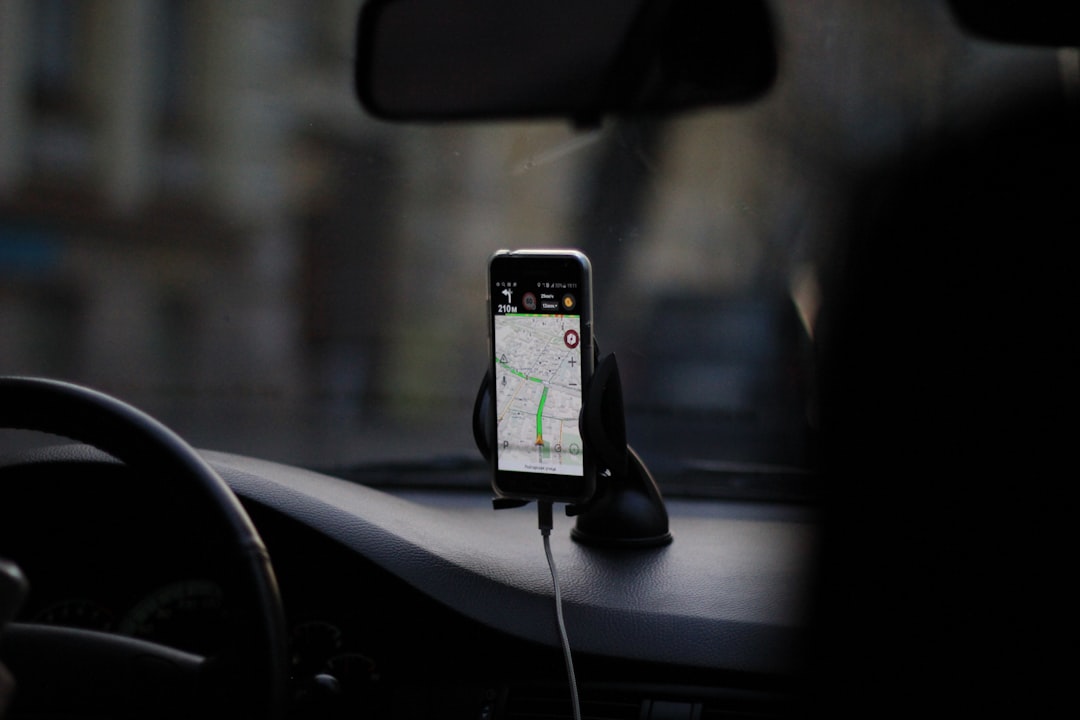
- Public transport may be running less frequently or not at all
- You might feel unsafe walking alone or through unlit areas
- You could end up stranded if your lift falls through
- Phones might run out of battery, making it hard to contact someone
- You might be around people who are under the influence of alcohol or drugs
None of this means you shouldn't go out or enjoy parties it just means you need a solid plan in place so you're not left in a risky or uncomfortable situation.
Real-life impact: Aiden's story
Aiden, 16, had been excited for his mates party in a nearby town. I told my parents Id get the train home, he said. It was all fine at first. But when he checked the train times at 10:45pm, he realised the last train had already left.
I didn't want to call my mum and get told off, Aiden admitted. So I tried to walk back with a few other people. But then they peeled off in different directions and I was on my own.
Eventually, he found a night bus but it didn't stop anywhere near home. I had to walk for ages, and I felt really anxious. It made me realise I hadn't thought about the journey properly.
Aiden now makes sure to plan his route, check times in advance, and talk to his parents about a back-up plan. It's not worth the stress or the risk, he said. Id rather call for help than wing it again.
Top strategies to get home safely from a party
So what can you do to stay safe and confident getting home? Here are practical, real-life strategies to help you out whether you're going to a house party nearby or a bigger event further away.
1. Plan your route in advance
Before you even leave for the party, work out how you'll get home. Ask yourself:
- How far is it from home?
- What time will the party end?
- Are there buses, trains, or trams running at that time?
- Will you be walking, and is the route safe and well-lit?
Use apps like Google Maps, Citymapper, or the National Rail Enquiries website to check public transport times.
2. Arrange a lift you can rely on
If someone in your family is picking you up, confirm the time and location in advance. If a friends parent is offering a lift, make sure you know:
- Who the driver is
- What time they're planning to leave
- If there's definitely space in the car
Always have a back-up plan in case the lift falls through which leads to the next point
3. Carry emergency cash or a card
Even if you don't plan to use public transport or a taxi, keep enough money on you to cover an unexpected journey home. A contactless debit card or a 10 note could get you out of a tricky situation.
Make sure your phone is charged so you can check apps like Uber, Bolt, or local taxi services if needed. Some areas still require cash for cabs, so It's good to have both just in case.
4. Stick with friends and look out for each other
There's safety in numbers. If you and your mates are leaving together, make a deal to stick together until everyone is home or has a safe way of getting back.
- Wait at the bus stop together
- Share taxi costs if possible
- Walk each other part of the way home if it's safe to do so
Make sure someone knows when you've got home safely even a quick Got back OK x message can offer peace of mind to the group.
5. Let a parent or guardian know your plans
You might want to be independent, but letting a trusted adult know where you are and when to expect you home is a smart move. That way, if something goes wrong, someone can help.
If you feel worried about strict rules, try saying:
- I just want you to know where I am in case I need help.
- I'll message when I leave and when I'm back.
Being open usually helps adults trust you more and that can make your social life easier too.
6. Keep your phone charged
Your phone is your lifeline for directions, transport apps, calls, and messaging. Before the party:
- Fully charge your phone
- Turn on low power mode if needed
- Carry a small power bank if you can
Also, make sure key contacts are saved like your parents, a taxi number, or a friend you can rely on.
7. Be cautious if someone offers you a lift
If someone offers you a lift and you don't know them well, think carefully. Ask yourself:
- Do I feel safe with this person?
- Are they sober?
- Would I get in this car if my parents were watching?
If in doubt, say no politely. It's okay to wait a bit longer for a safer option.
8. Use taxi apps with built-in safety features
Apps like Uber and Bolt allow you to:
- Track your journey in real time
- Share your location with someone else
- See the drivers name, photo, and vehicle details
Make sure the drivers car matches the app before getting in. If something doesn't feel right, trust your instincts.
9. Know your limits especially around drink or drugs
If you're around alcohol or other substances, even if you're not using them yourself, be extra cautious. It can be harder to make good decisions if you're influenced or surrounded by people who are.
Don't get in a car with someone who's been drinking. Don't walk alone if you feel dizzy or unwell. If things get intense, call for help or ask a trusted adult to come and get you.
10. Have a back-up contact
Sometimes things don't go to plan. Your phone might die, your mate might disappear, or you might feel anxious and not know what to do.
Have a back-up person maybe an older sibling, a family friend, or a relative who you know you can call in an emergency. It's better to have more support than less.
Final thoughts
Going to parties should be fun, not stressful. But the best way to enjoy yourself fully is knowing you've got your journey home sorted. When you feel safe and in control, you can relax and have a good time and that's what It's all about.
So next time you're heading out, take a few minutes to plan ahead. It might feel like a small thing now, but it could make a huge difference later. Your safety matters and having a good time shouldn't come at the cost of it.
Being smart isn't boring. It's brave, mature, and one of the best ways to show you're ready for more independence one safe journey at a time.
How are you feeling?
It is really important that when we need help, we feel able to ask for it. This could be speaking to a parent, a close friend, a teacher or someone else you trust. Sometimes it can be really hard to share our feelings with other people but if we are feeling low or don't know where to turn, sharing with others is really important. Teachers will always take you seriously and listen to your problems in confidence if you approach them for help. Likewise, parents, siblings or friends will help you if you reach out to them.
If you feel like you can't speak to anyone you know, there are people and organisations that can help support you:
- Childline - Call them on 0800 1111 any time of the day or night, every day of the week
- NSPCC - Call them on 0808 800 5000 between 10am and 4pm Monday to Friday or email them on help@NSPCC.org.uk
- The Samaritans – Call them on 116 123 any time of the day or night, every day of the week
- SANE – Call 0300 304 7000 for support (4:30pm - 10:30pm every day)
- Mind – Call 0300 123 3393 (9:00am - 6:00pm Monday to Friday)
*Sometimes we will use real life examples in our articles to aid understanding. When we do, names and ages will be changed.
