













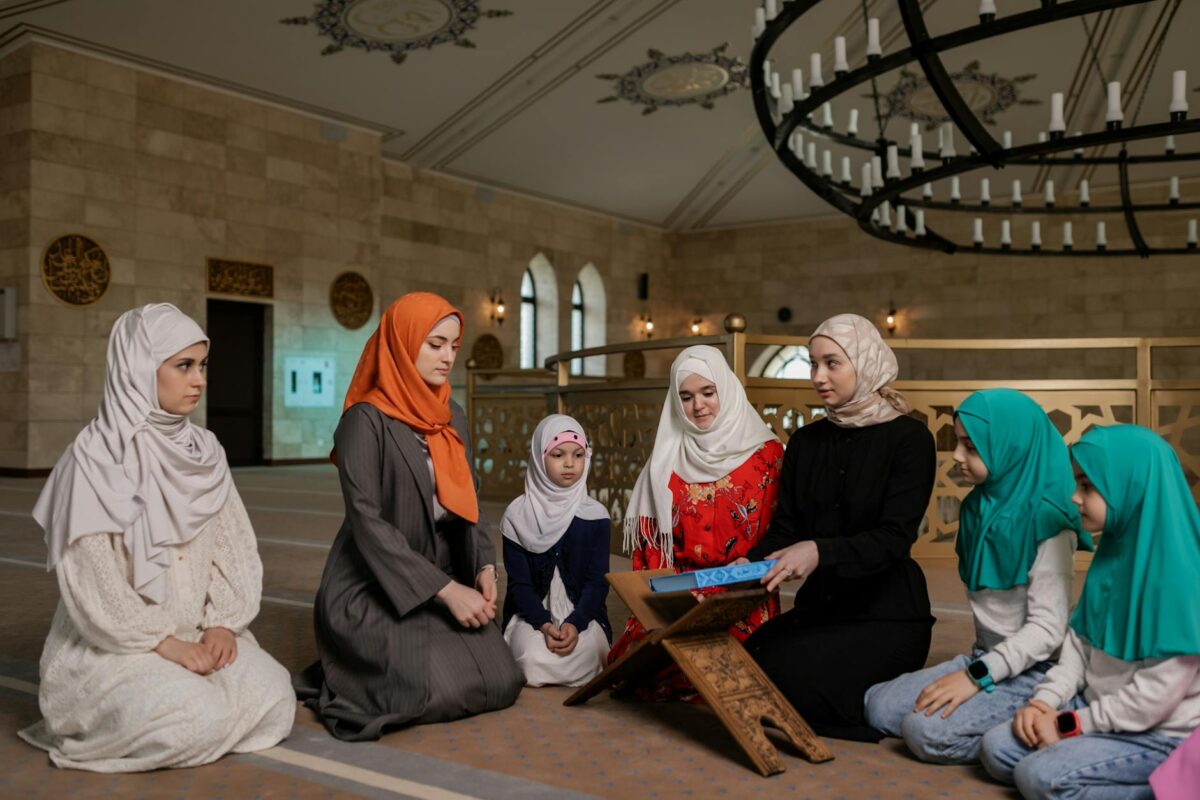
Explore how teens can effectively manage having beliefs different from their family, emphasising communication, understanding, and finding supportive communities.

Explore the relationship between religion and science, looking at historical conflicts, modern perspectives, and strategies for young people to reconcile these two important aspects of life.

Exploring the harmful impacts of racism and offering practical strategies for young people to effectively tackle and overcome racial injustices.

Learn what the difference is between racism from prejudice, be aware of how it impacts people and learn how to cope if you feel you are affected.

Discover how racism impacts society and explore practical strategies for young people to address and combat racial inequalities.
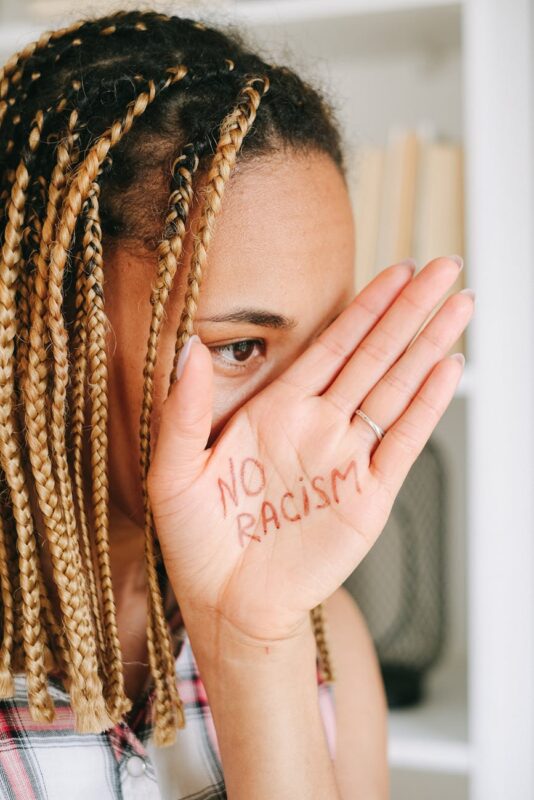
Effective strategies to fight racism include educating on diversity, promoting inclusion, engaging with the wider community, and supporting diverse media.

Puberty marks a significant developmental phase characterised by physical, emotional, and psychological changes. Here are practical strategies to navigate it.

Learn all about menstruation including what it is, how it impacts young people, and strategies for managing it effectively.

Understand what a growth spurt is, its effects during teenage years, and practical tips for managing its impact, promoting a healthier journey through adolescence.

Explore the hormonal changes during puberty and how they impact teenagers, along with practical tips for managing these changes efficiently and healthily.

Learn why it’s vital for teenagers to understand and engage in politics, impacting education, health, and the future of their communities.

Learn the key differences between the House of Commons and the House of Lords in the UK Parliament, and how they impact legislation and youth.

Understand what democracy means and its impact on teens, along with tips for becoming an active participant in a democratic society.

An informative guide on elections, detailing their impact on teenagers and offering strategies for navigating and participating effectively.

A guide for teenagers on why the police might stop and question them, their rights in such situations, and practical strategies for handling the encounter safely and confidently.

A guide for British teenagers on what to do if stopped by the police, covering legal rights, handling stop and search, staying calm, and challenging unfair treatment safely and effectively.

Find out what to do if you witness a crime, including staying safe, reporting to the police, and dealing with the emotional impact. Learn practical steps to help yourself and others in difficult situations.

Learn what hate crimes are, their impact on young people, and how to recognise, report, and respond to incidents of prejudice or discrimination to build a safer, more inclusive community.

A guide for British teenagers on what a police caution is, how it affects them, and what to consider before accepting one, including legal advice and long-term consequences.

Learn what it means to have a criminal record, the real-life impact on young people, and practical strategies to move forward, rebuild trust, and create positive opportunities for your future.

Understanding and overcoming the complex barriers to leaving abusive situations can empower victims to seek a safer, healthier environment.

Explore the reasons behind abuse and get practical strategies on managing its impact as a teenager.

Dealing with physical abuse as a teenager? Recognise the signs, seek safe environments, talk to trusted adults to get help.

Understand the signs and impacts of physical abuse on teenagers, and understand how it can impact those experiencing it.

If you are worried that someone might be suffering from physical abuse, its really important to create a safe space, listen and encourage professional help.

Learn about the serious issue of physical abuse in teen relationships, its impact, and practical strategies for dealing with it.

Discussing feelings with parents can be daunting for teens, but choosing the right time, being prepared, and communicating honestly are key steps toward emotional well-being.

How to responsibly handle and learn from accidents where something gets broken, including ways to make things better afterwards and deal with the consequences.

Learn how to ask for more privacy from your parents without upsetting them, enhancing mutual understanding and respect in your family.

How to ask parents for more freedom: Build trust by showing responsibility, communicate effectively, compromise, and be prepared for different outcomes.