

















Let's get started...
The Reality of Racism in Our Communities
Racism is a term that brings about strong feelings. You might have seen it, felt it yourself, or read about it, and it always leaves a deep mark. Racism is the belief that a person's race determines their abilities and traits, and that some races are better than others. Sadly, even with efforts to stop it, racism is still present in many parts of our daily lives, including where we live.
In the UK, there are still many reports of racial bias and unfair treatment, impacting people and groups from playgrounds to workplaces. This can range from clear acts of racial hate or violence to less obvious things like excluding someone subtly.
Understanding the Impact on Young People
For teenagers, being in a place where racism is seen or experienced can lead to a lot of mental and emotional problems. These include feeling bad about yourself, feeling more anxious or sad, and feeling left out. Schools reflect society in miniature and often show these unfair biases, whether on purpose or not, affecting how pupils get on with each other and their teachers, and even their schoolwork.
Seeing discrimination often can make you feel powerless or angry, which might lead to ongoing prejudice and disagreements. Since teenagers are still forming their views and ways of acting, these experiences can influence how they see things and act for many years.
Effective Strategies to Combat Racism in Our Local Areas
To fight racism, we need to take steps that both prevent it and address it when it happens, to create communities that truly value and celebrate everyone's differences. Here are some practical ideas:
Education and Awareness
Learning about racism is the first step to stopping it. Schools and community centres should include detailed lessons about racial equality, cultural diversity, and the history of race relations all year round, not just during special months like Black History Month.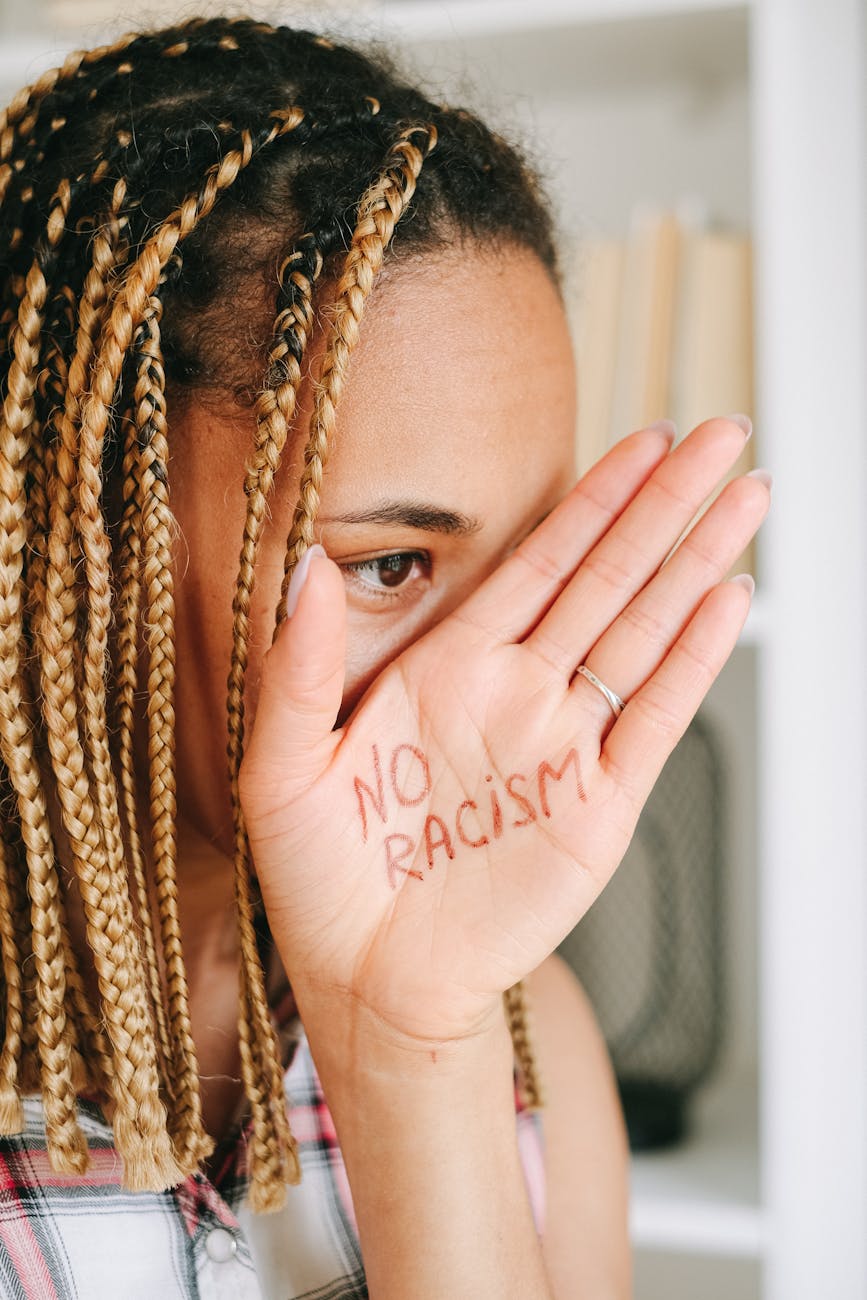
- Workshops and Training Sessions: Hold events with speakers who are experts in diversity and inclusion. Their personal experiences and knowledge can teach us a lot and help us understand more.
- Critical Discussions: Set up open talks where students can share their experiences and thoughts about race and discrimination. These can happen in class or in student-run clubs about social issues.
Encouragement of Positive Representation
The media, including films, books, news, and social media, greatly affects our views. Supporting media that shows diverse groups of people in a good light can help challenge wrong ideas and give a fairer picture of different races and cultures.
- Support Diverse Media: Choose to watch films, read books, and follow social media that show different cultures and races in a positive way.
- Create Content: Use your online presence to share stories and views that fight against racial stereotypes.
Fostering an Inclusive Environment
Building a community that actively fights racism means creating a welcoming atmosphere. This involves not tolerating racist behaviour and celebrating diversity.
- Promote Inclusive Policies: Schools and community groups should make and enforce rules that stop discrimination and support inclusivity.
- Celebrate Cultural Differences: Hold festivals and events that show off different cultures through music, art, and food. Such events can be fun and educational and help break down barriers.
- Support Systems: Set up clear ways for young people to report racism, making sure they are taken seriously and action is taken.
Engaging with the Wider Community
Connecting different community groups can reduce misunderstandings and biases. Engagement can be through sports, art projects, or volunteering, creating common goals and friendships across different cultures.
- Community Service: Get involved in or organise community projects that need people from diverse groups to work together.
- Intercommunity Dialogues: Arrange regular meetings between leaders from different racial and cultural groups to talk about issues and work together on solutions.
Conclusion
The struggle against racism continues. By educating ourselves and others, promoting positive images, creating welcoming spaces, and working together in our communities, we can make a real difference. As young people, you have the energy and duty to shape the future, and by actively fighting against racism, you help build a more fair and equal society for everyone.
How are you feeling?
It is really important that when we need help, we feel able to ask for it. This could be speaking to a parent, a close friend, a teacher or someone else you trust. Sometimes it can be really hard to share our feelings with other people but if we are feeling low or don't know where to turn, sharing with others is really important. Teachers will always take you seriously and listen to your problems in confidence if you approach them for help. Likewise, parents, siblings or friends will help you if you reach out to them.
If you feel like you can't speak to anyone you know, there are people and organisations that can help support you:
- Childline - Call them on 0800 1111 any time of the day or night, every day of the week
- NSPCC - Call them on 0808 800 5000 between 10am and 4pm Monday to Friday or email them on help@NSPCC.org.uk
- The Samaritans – Call them on 116 123 any time of the day or night, every day of the week
- SANE – Call 0300 304 7000 for support (4:30pm - 10:30pm every day)
- Mind – Call 0300 123 3393 (9:00am - 6:00pm Monday to Friday)
*Sometimes we will use real life examples in our articles to aid understanding. When we do, names and ages will be changed.
