

















Let's get started...
Having beliefs that differ from those of your family can be a challenging aspect of growing up. Discrepancies may arise in areas such as religion, politics, lifestyle choices, or personal values. This divergence can sometimes lead to conflict, misunderstandings, or feelings of isolation within one's family unit. However, it's also an opportunity for personal growth and for developing a strong sense of individuality.
Understanding The Root of Differences
Differences in belief often emerge during the teenage years, a period marked by exploration and the forming of one's own identity. Several factors contribute to these differences:
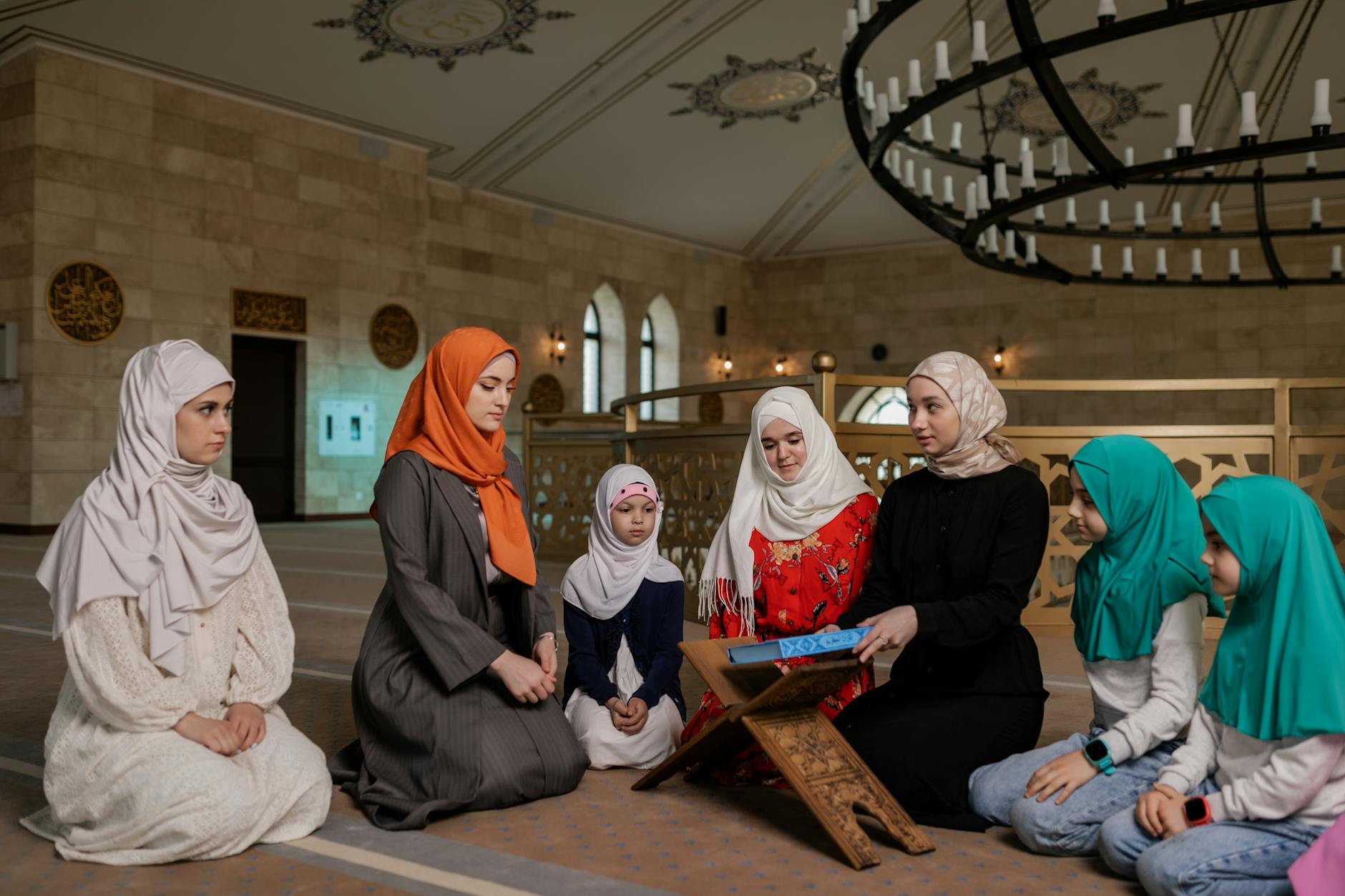
- Generational Views: Each generation grows up in a different cultural and social environment, influencing their views on life and society.
- Educational Influences: Schools, colleges, and peer groups can introduce new ideas and perspectives that may be quite different from traditional family views.
- Personal Experiences: Personal experiences can shape beliefs in ways that might not align with family perspectives.
- Media and Information Exposure: The diverse media landscape can influence ideas and opinions through social networks, television, and books.
Real-Life Impact on Young People
Differing beliefs from one's family can impact a teenager significantly. It can lead to feelings of loneliness or alienation if a young person perceives that their ideas are not understood or accepted. Sometimes, it leads to heated arguments or silence at home, causing stress and tension. On the other hand, it can also be empowering. It pushes teenagers to think critically, challenge norms, and develop a robust set of personal values and beliefs.
Strategies for Handling Differences in Belief
Managing differing beliefs with one's family requires tact, understanding, and sometimes negotiation. Here are some strategies that can help:
Communication is Key
Open, honest, and respectful communication is crucial. It's important to express your thoughts and feelings calmly and clearly without being defensive or aggressive. Here are some practical tips for effective communication:
- Choose the Right Time: Discuss your beliefs at a time when all parties are calm and unlikely to be interrupted.
- Use I Statements: Focus on your feelings and thoughts by using statements like "I feel" or "I believe," rather than accusatory or confrontational language.
- Be Prepared to Listen: Listening is just as important as speaking. Try to understand the reasons behind your family's beliefs and show them respect.
Seek Understanding, Not Agreement
It's beneficial to aim for mutual understanding rather than agreement. Acknowledge that it's okay to disagree on certain topics and that each person has the right to their own opinions.
Establish Boundaries
If certain topics consistently lead to conflict, it might be necessary to set boundaries around those discussions. Agreeing to avoid certain topics during family gatherings can maintain peace and allow for enjoyable time spent together.
Find Support Outside the Family
Support from friends, mentors, or online communities who share your beliefs can be invaluable. They can provide a space to express yourself freely and feel understood.
Educate With Empathy
If you feel comfortable, share information with your family about your beliefs in a way that is informative and non-confrontational. Sometimes, providing context can help others see where you are coming from.
practise Patience and Compassion
These differences didn't develop overnight and won't disappear quickly either. practise patience with your family and yourself as you navigate through these complex waters.
Seek Professional Guidance if Needed
If the situation causes significant distress, consider speaking to a counsellor or therapist who can offer professional advice on managing these challenges.
Having different beliefs from your family can be tough, but it's also a part of growing up and finding your unique voice in the world. It's important to remember that everyone deserves respect for their beliefs, and finding a peaceful way to coexist with differing opinions is a valuable skill that will serve you well throughout life.
How are you feeling?
It is really important that when we need help, we feel able to ask for it. This could be speaking to a parent, a close friend, a teacher or someone else you trust. Sometimes it can be really hard to share our feelings with other people but if we are feeling low or don't know where to turn, sharing with others is really important. Teachers will always take you seriously and listen to your problems in confidence if you approach them for help. Likewise, parents, siblings or friends will help you if you reach out to them.
If you feel like you can't speak to anyone you know, there are people and organisations that can help support you:
- Childline - Call them on 0800 1111 any time of the day or night, every day of the week
- NSPCC - Call them on 0808 800 5000 between 10am and 4pm Monday to Friday or email them on help@NSPCC.org.uk
- The Samaritans – Call them on 116 123 any time of the day or night, every day of the week
- SANE – Call 0300 304 7000 for support (4:30pm - 10:30pm every day)
- Mind – Call 0300 123 3393 (9:00am - 6:00pm Monday to Friday)
*Sometimes we will use real life examples in our articles to aid understanding. When we do, names and ages will be changed.
