

















Let's get started...
Accidents happen. Whether it's a shattered vase, a broken phone screen, or accidentally putting a football through a window, breaking something by accident can be a stressful and nerve-racking experience. It's important to handle these situations with responsibility and maturity. Here's how you can navigate through the experience, from the initial shock to making amends.
Understanding Why Accidents Happen
Firstly, recognise that anyone can make a mistake. Accidents don't mean negligence or carelessness; often, they occur during normal activities and can be a result of numerous factors including external distractions, internal thoughts, or simply misinformation about the durability or stability of the object in question.
As an example, consider the simple act of playing football in the garden. While the intention is just to have fun and maybe build skills, a bad kick could result in a broken window.
Immediate Steps After Breaking Something
- Stay Calm: Panicking might make the situation worse. Take a deep breath and muster the courage to address the situation properly.
- Assess the Damage: Look at what has been damaged and consider whether it's fixable.
- Contain the Situation: If the accident could potentially cause further damage or harm (like broken glass spreading), safely try to contain any risks. This might mean cleaning up fragments or removing the object from an area where others could get hurt.
- Inform Those impacted: If you break something that belongs to someone else, it's essential to let them know. Honesty is always the best policy, even if it can be tough to admit the mistake.
Handling the Consequences
After breaking something, especially if it belongs to someone else, there are several steps to follow:
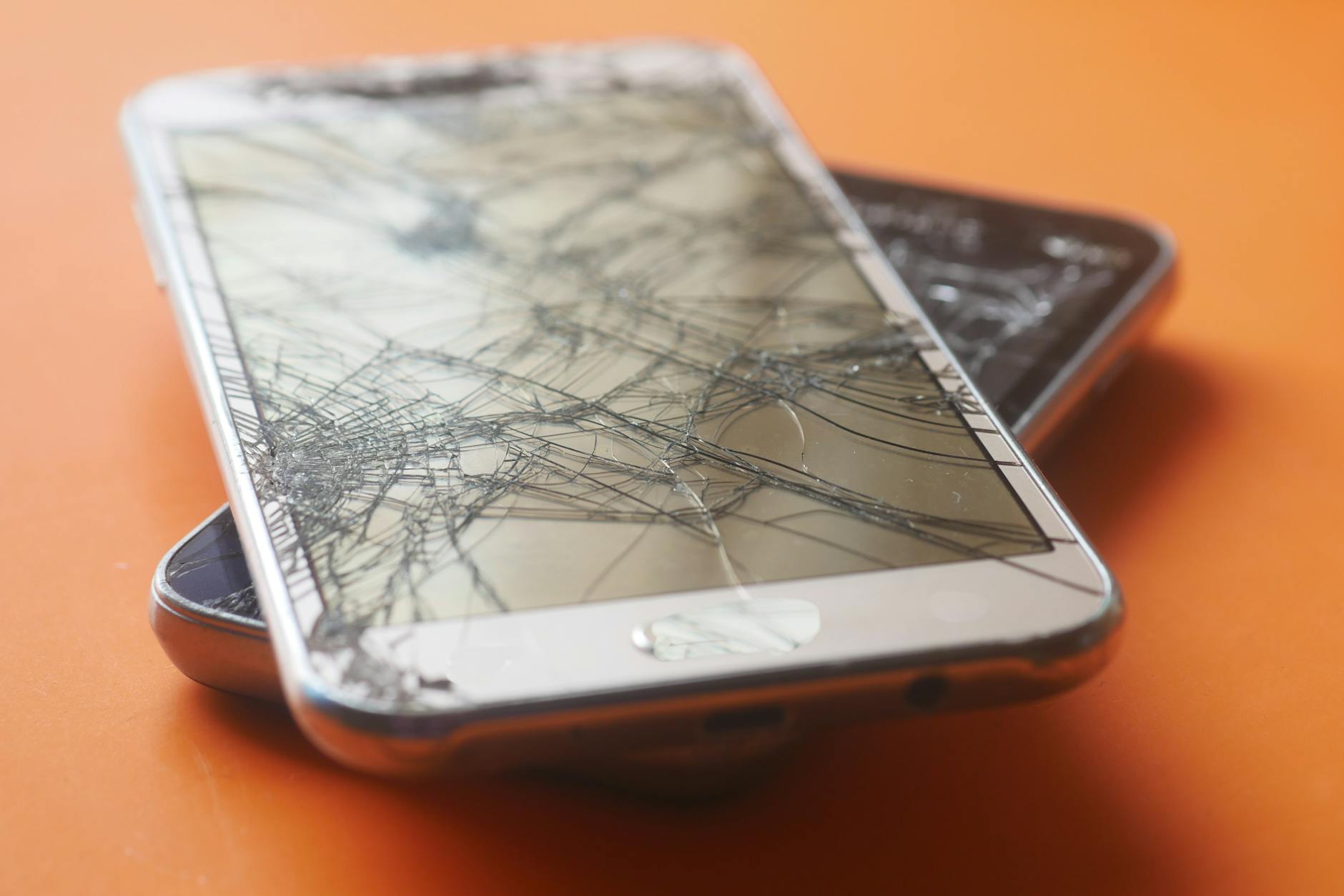
- Apologise Sincerely: An honest apology that acknowledges the mistake and the inconvenience caused shows maturity. A simple, "I'm really sorry I broke this" can go a long way.
- Offer to Make Amends: This could involve replacing or paying for the repair of the damaged item. If you don't have the money for this, consider other approaches such as setting up a payment plan or helping out in other ways.
- Learn From the Situation: Use this as a learning opportunity. Why did the accident happen? Could it have been prevented? Reflect on any changes you can make to avoid similar mistakes in the future.
Dealing with Emotional Repercussions
Breaking something, especially something of emotional or high monetary value, can also lead to feelings of guilt or anxiety. Here are a few ways to cope:
- Talk to Someone: Sharing your feelings with a family member or friend can alleviate some of the stress. They might also offer some helpful perspectives or solutions.
- Allow Yourself to Move On: Once you have done what you can to remedy the situation, it is important to forgive yourself and move forward.
Leveraging Resources
If you find yourself often worried about breaking things or find that your accidents are a sign of something more concerning - like being generally distracted - it might be helpful to seek ways to improve your focus or manage anxiety. Techniques like mindfulness, regular exercise, and speaking to a trusted adult can be beneficial.
Conclusion
Breaking something by accident isn't the end of the world, though it might feel like it at the moment. How you handle the aftermath says a lot about you and can significantly influence the outcome of the situation. Always approach these incidents with a level head, responsibility, and readiness to fix your mistakes. Not only will this help in the immediate situation, but it also builds character and personal integrity, which are essential as you journey through your teenage years and beyond into adulthood.
How are you feeling?
It is really important that when we need help, we feel able to ask for it. This could be speaking to a parent, a close friend, a teacher or someone else you trust. Sometimes it can be really hard to share our feelings with other people but if we are feeling low or don't know where to turn, sharing with others is really important. Teachers will always take you seriously and listen to your problems in confidence if you approach them for help. Likewise, parents, siblings or friends will help you if you reach out to them.
If you feel like you can't speak to anyone you know, there are people and organisations that can help support you:
- Childline - Call them on 0800 1111 any time of the day or night, every day of the week
- NSPCC - Call them on 0808 800 5000 between 10am and 4pm Monday to Friday or email them on help@NSPCC.org.uk
- The Samaritans – Call them on 116 123 any time of the day or night, every day of the week
- SANE – Call 0300 304 7000 for support (4:30pm - 10:30pm every day)
- Mind – Call 0300 123 3393 (9:00am - 6:00pm Monday to Friday)
*Sometimes we will use real life examples in our articles to aid understanding. When we do, names and ages will be changed.
