
Let's get started...
Understanding Misogyny: its Forms and Foundations
Misogyny is a term that describes an ingrained prejudice against women. It manifests in various forms, ranging from overt discrimination and verbal harassment to more subtle forms like stereotyping or belittling women's achievements. Understanding the different facets of misogyny is crucial because its manifestation can affect everything from personal relationships to professional environments.
Historically, misogyny has deep roots in societal structures, often perpetuated through cultural norms, media portrayal, and even legal systems that have favoured male dominance. Despite progress in gender equality, traces of these outdated views persist in many areas, affecting young people's perceptions and interactions today.
The Real-Life Impact of Misogyny on Young People
As a young person, encountering misogyny can be both disheartening and distressing. For young women, it might mean facing undue criticism in school settings or being subject to stereotypes that limit their participation in sports or sciences. Young men, too, can be impacted by misogyny, often through pressures to conform to "macho" stereotypes and demean other genders to prove their masculinity.
The effects of encountering misogyny can vary, but often include a decrease in self-esteem, mental health struggles such as anxiety or depression, and a feeling of isolation. Misogyny can also skew perceptions of healthy relationships, leading to tolerance of disrespect or abuse, and hinder personal development by discouraging individuals from pursuing interests or careers stereotypically associated with another gender.
Strategies for Dealing With Misogyny
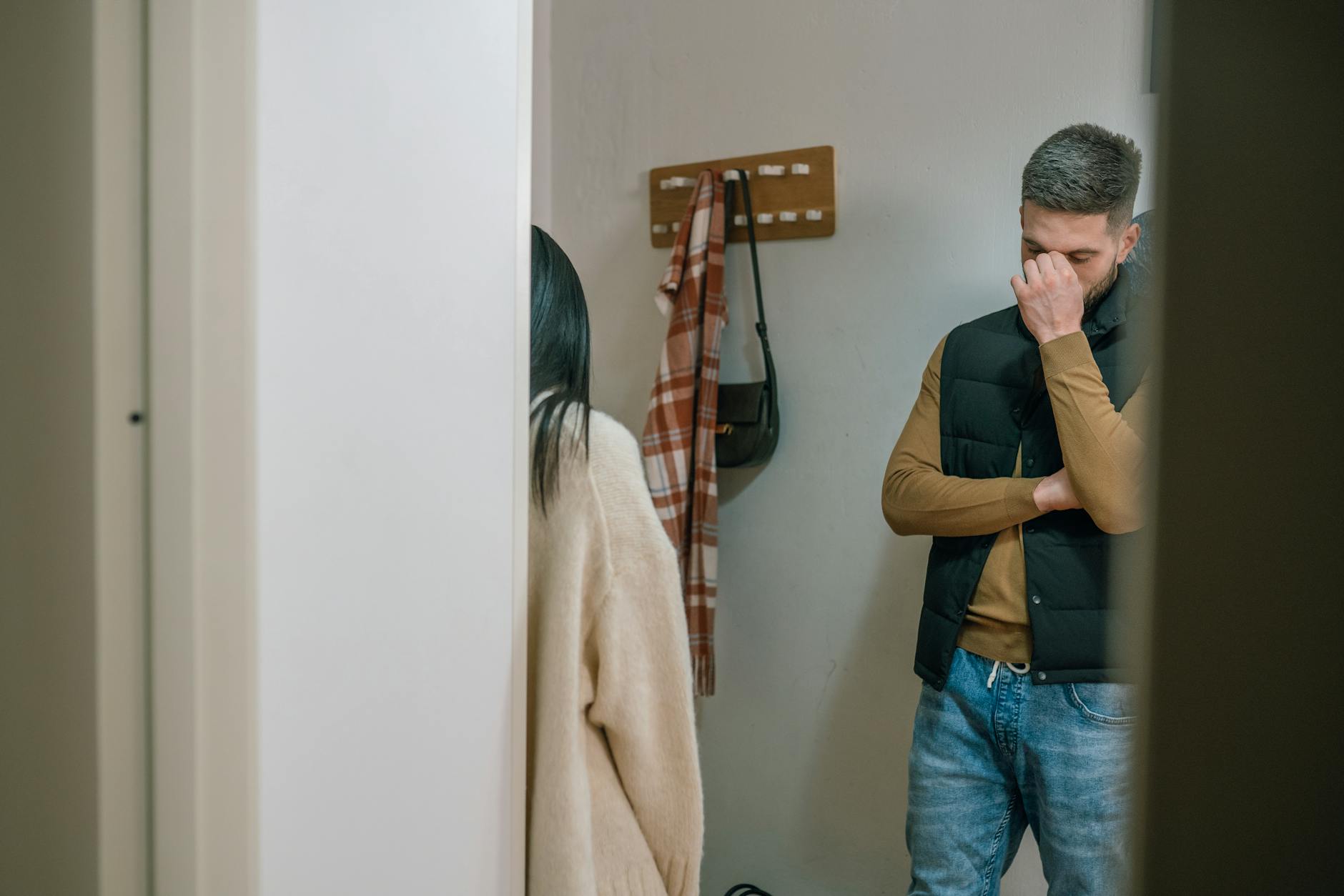
1. Recognising Misogyny
The first step in dealing with misogyny is to recognise it. This might be easier said than done, particularly with more subtle forms. Misogynistic behaviours can range from interrupting or being rude to women more frequently than men to making dismissive comments about women's abilities. By understanding these patterns, you can begin to identify misogyny in everyday interactions.
2. Educating Yourself and Others
Educating yourself about gender equality and the experiences of different genders can empower you to challenge misogynistic norms. Reading books, watching documentaries, or following social initiatives focused on gender issues can broaden your understanding and prepare you to discuss these topics with peers.
Once you feel informed, don't shy away from enlightening others. Sharing your knowledge can help friends and family recognise and reconsider their own potentially misogynistic attitudes and behaviours.
3. Speaking Out
When safe to do so, speaking out against misogyny is a powerful tool. This could be as simple as questioning a sexist joke or comment, or more complex like advocating for policy changes in your school or community to ensure gender equality. When addressing misogyny, be clear, direct, and respectful. Express how the behaviour or comment is harmful and suggest how to improve.
4. Building Support Networks
Dealing with ongoing misogyny can be exhausting and isolating. Building a network of supportive friends or joining groups that promote gender equality can provide a safe space to share experiences and offer mutual support. These networks not only bolster your own resilience but can also be pivotal in collective actions against systemic misogyny.
5. Seeking Professional Support
If experiences of misogyny are affecting your mental health, seeking professional help from a school counsellor or trusted adult can be critical. These professionals can offer strategies to cope with discrimination, boost your self-esteem, and work through any trauma.
Conclusion
Confronting misogyny is not an easy battle. It involves recognising and understanding deep-rooted biases, educating oneself and others, speaking out, building supportive networks, and seeking help when needed. By taking these steps, you not only protect yourself but also contribute to a broader cultural shift towards genuine gender equality. Remember, change often starts with the actions and courage of individuals like you.
How are you feeling?
It is really important that when we need help, we feel able to ask for it. This could be speaking to a parent, a close friend, a teacher or someone else you trust. Sometimes it can be really hard to share our feelings with other people but if we are feeling low or don't know where to turn, sharing with others is really important. Teachers will always take you seriously and listen to your problems in confidence if you approach them for help. Likewise, parents, siblings or friends will help you if you reach out to them.
If you feel like you can't speak to anyone you know, there are people and organisations that can help support you:
- Childline - Call them on 0800 1111 any time of the day or night, every day of the week
- NSPCC - Call them on 0808 800 5000 between 10am and 4pm Monday to Friday or email them on help@NSPCC.org.uk
- The Samaritans – Call them on 116 123 any time of the day or night, every day of the week
- SANE – Call 0300 304 7000 for support (4:30pm - 10:30pm every day)
- Mind – Call 0300 123 3393 (9:00am - 6:00pm Monday to Friday)
*Sometimes we will use real life examples in our articles to aid understanding. When we do, names and ages will be changed.