

















Let's get started...
Understanding the Diversity of Religions
Religions have been a fundamental aspect of human societies across the globe for thousands of years, influencing culture, law, and individual behaviour. To understand why there are so many different religions, it's important to first consider what religion is and how it develops.
Religion often addresses the most profound questions of human existence: Why are we here? What happens after we die? Different societies have answered these questions in varied ways, based on their unique environments, historical contexts, and social structures. As human beings, our natural curiosity about the universe and our place within it, combined with the existential fear of death and the unknown, pave the way for the creation and evolution of religious beliefs.
Furthermore, geographic isolation has historically played a significant role in the development of distinct religious practices. For example, the religions that developed in ancient India were heavily influenced by the region's specific philosophical outlook, while the deserts of the Middle East helped shape the monotheistic religions of Judaism, Christianity, and Islam. Each religion, thus, represents a complex interplay of historical, cultural, and environmental factors that offer different solutions to similar human concerns.
Impact on Young People Today
For teenagers living in today's multi-faith, globalised world, the vast array of religions can be both fascinating and confusing. This diversity can affect young people in several ways:
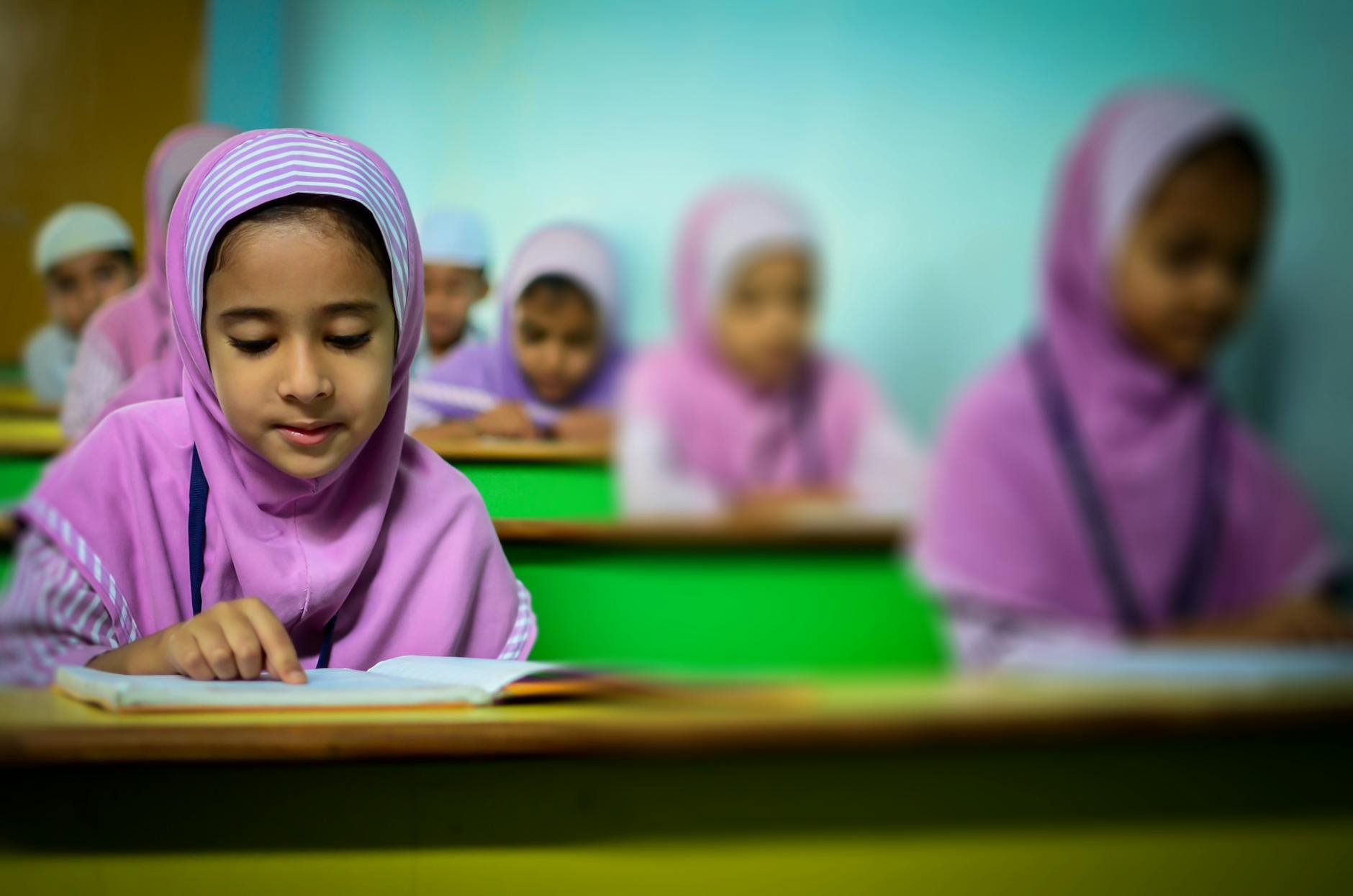
- Identity and Belonging: Religion can be a major part of your identity and can help you feel part of a community. For many young people, belonging to a religious tradition connects them with a rich heritage of customs, rituals, and stories.
- Confusion and Conflict: With so many different belief systems, young people often find themselves questioning their own beliefs or the beliefs of those around them. This can sometimes lead to confusion or interpersonal conflict, especially in diverse communities where people may hold contradictory or opposing views.
- Opportunities for Learning and Growth: Exposure to different religious beliefs can be a tremendous learning opportunity, promoting empathy, tolerance, and a deeper understanding of the world's cultures.
Strategies to Navigate Religious Diversity
Navigating this complex landscape of religious beliefs requires patience, openness, and strategy. Here are some practical approaches:
Educate Yourself
The more you know, the better equipped you are to understand and respect other people's beliefs. Learn not just about your own religion, but also about others. Websites, books, documentaries, and even direct engagements through community classes or workshops can be invaluable.
Engage in Interfaith Activities
Many communities offer interfaith events designed to bring people from different religious backgrounds together. Participating in such events can broaden your perspective and help you make friends across different cultural and religious divides.
practise Respect and Tolerance
Remember that everyone has the right to their beliefs. When discussing religion, approach conversations with sensitivity and respect. Disagreements might arise, but they should be handled courteously and with understanding.
Critical Thinking
It's important to develop your own opinions about religious matters, but this should be done through critical thinking and personal reflection. Consider why you hold certain beliefs and be open to questioning them as part of your growth and learning process.
Seek Common Ground
Despite differences, most religions share common values like kindness, peace, and justice. Focusing on these similarities can foster mutual respect and reduce tensions.
Understanding why there are so many different religions can open up a rich vein of inquiry into human culture, psychology, and history. It teaches us about the variability of human thought and the varied ways societies can function and thrive. As a young person growing up in a diverse world, embracing this diversity can enrich your life and broaden your outlook.
How are you feeling?
It is really important that when we need help, we feel able to ask for it. This could be speaking to a parent, a close friend, a teacher or someone else you trust. Sometimes it can be really hard to share our feelings with other people but if we are feeling low or don't know where to turn, sharing with others is really important. Teachers will always take you seriously and listen to your problems in confidence if you approach them for help. Likewise, parents, siblings or friends will help you if you reach out to them.
If you feel like you can't speak to anyone you know, there are people and organisations that can help support you:
- Childline - Call them on 0800 1111 any time of the day or night, every day of the week
- NSPCC - Call them on 0808 800 5000 between 10am and 4pm Monday to Friday or email them on help@NSPCC.org.uk
- The Samaritans – Call them on 116 123 any time of the day or night, every day of the week
- SANE – Call 0300 304 7000 for support (4:30pm - 10:30pm every day)
- Mind – Call 0300 123 3393 (9:00am - 6:00pm Monday to Friday)
*Sometimes we will use real life examples in our articles to aid understanding. When we do, names and ages will be changed.
