

















Let's get started...
Understanding Religion: It's Origins and Meaning
Religion, a term often heard and frequently discussed, holds a multitude of meanings and interpretations. At its core, religion is a system of beliefs and practices centered around spiritual, moral, and philosophical elements, usually involving devotions to a higher power or divine being. The concept of religion has been integral to human society for thousands of years, shaping cultures, laws, and personal beliefs across the globe.
The origins of religion can be traced back to the dawn of human civilisation. Early humans used religion as a way to explain natural phenomena, the environment around them, and the complexities of life that they did not understand. Over time, these beliefs became more organised, giving rise to various religions seen today such as Christianity, Islam, Hinduism, Buddhism, and countless others.
Religion and Its Impact on Young People
For teens, religion can have a profound impact on personal identity, community belonging, and understanding of the world. It often provides moral guidance and a sense of stability in a world that can seem uncertain and overwhelming. Additionally, religion can influence a young person's values, ethics, and behaviours, significantly shaping their worldview and interactions with others.
However, the influence of religion is not always positive or straightforward. Young people may also face challenges such as religious intolerance, conflicts with scientific understanding, and peer pressure related to religious beliefs. In multi-faith societies, navigating these different perspectives can be particularly complex, prompting young individuals to question and explore their beliefs more deeply.
Practical Strategies for Navigating Religion as a Teenager
Educating Yourself about Different Religions
Learning about various religious beliefs and practices can foster understanding and respect for diverse perspectives. This knowledge not only helps in personal development but also aids in countering misconceptions and stereotypes about different faith communities.
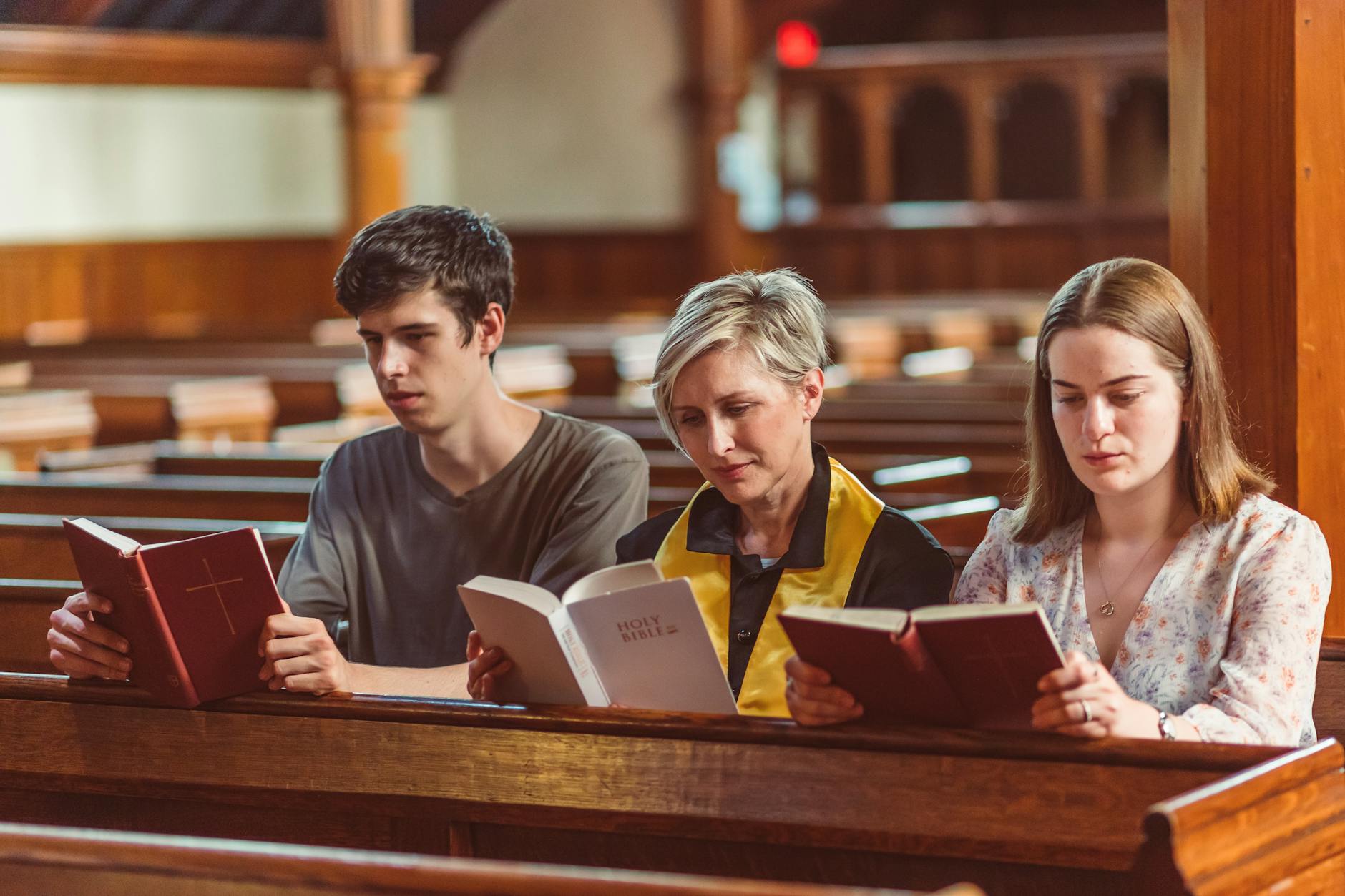
- Read Widely: Explore books, articles, and documentaries about different religions to gain a broad perspective.
- Attend Workshops: Many communities and schools offer workshops about different faiths that can provide valuable insights and first-hand experiences.
- Discuss: Join forums or groups where young people discuss their religious beliefs and personal experiences. This can provide a safe space to explore and question.
Engaging in Interfaith Dialogue
Interfaith events bring individuals of different religious backgrounds together to share and learn from each other. These dialogues can help break down barriers and build friendships based on mutual respect and understanding.
- Visit Different Religious Spaces: Attend services or events at churches, mosques, temples, and synagogues to experience how others worship and live out their faith.
- Participate in Community Service: Many religious groups organise community service events that are open to all, regardless of religious affiliation. This can be a great way to meet others and work together for a common cause.
Reflection and Personal Exploration
Understanding your own beliefs requires deep personal reflection. Keeping a journal or speaking with a trusted mentor can help clarify your thoughts.
- Journaling: Write about your experiences with religion and how they have shaped your views.
- Mentoring: Talk to someone you respect who can provide guidance on spiritual matters.
- Mindfulness and Meditation: practise mindfulness exercises that can help clear your mind and focus on your personal values and beliefs.
Respecting Diversity and Practicing Tolerance
recognising and respecting that others may have different beliefs is crucial in a globalised world. Practicing tolerance fosters peace and understanding and allows for meaningful dialogues that enhance communal ties.
- Be Open-Minded: Approach religious discussions with an open mind and a willingness to learn, rather than debate.
- Respectful Communication: Learn to communicate respectfully about religion, especially when discussing differing beliefs.
- Advocate for Inclusivity: Support efforts within your school or community that promote inclusivity and equality across different religions and beliefs.
Religion is a deeply personal aspect of life but also one that shapes communities and societies. For teens, navigating religious belief can be a pivotal part of their development. By taking the time to explore different perspectives, engage in respectful dialogue, and reflect on personal beliefs, teenagers can build a nuanced and informed understanding of religion and it's role in their lives and the lives of those around them.
How are you feeling?
It is really important that when we need help, we feel able to ask for it. This could be speaking to a parent, a close friend, a teacher or someone else you trust. Sometimes it can be really hard to share our feelings with other people but if we are feeling low or don't know where to turn, sharing with others is really important. Teachers will always take you seriously and listen to your problems in confidence if you approach them for help. Likewise, parents, siblings or friends will help you if you reach out to them.
If you feel like you can't speak to anyone you know, there are people and organisations that can help support you:
- Childline - Call them on 0800 1111 any time of the day or night, every day of the week
- NSPCC - Call them on 0808 800 5000 between 10am and 4pm Monday to Friday or email them on help@NSPCC.org.uk
- The Samaritans – Call them on 116 123 any time of the day or night, every day of the week
- SANE – Call 0300 304 7000 for support (4:30pm - 10:30pm every day)
- Mind – Call 0300 123 3393 (9:00am - 6:00pm Monday to Friday)
*Sometimes we will use real life examples in our articles to aid understanding. When we do, names and ages will be changed.
