
Let's get started...
Understanding the Role of the UK Prime Minister
The role of the Prime Minister in the United Kingdom, often abbreviated to PM, is a position laden with responsibilities and powers that have evolved over centuries. Understanding the role of the Prime Minister involves looking into the historical origins, the responsibilities they hold today, and how their actions and decisions impact both the country and it's people, including young individuals like yourself.
Historical Background of the Prime Minister's Role
Although officially the role of the Prime Minister did not always exist, the significance of this role has grown considerably since it was informally established in the early 18th century. The title itself, "Prime Minister," implies being the first, or head of all ministers in the UK government. Historically, figures like Sir Robert Walpole, who is often considered the first Prime Minister (serving from 1721 to 1742), helped define early powers and prerogatives of the role through their actions and leadership style. Over time, through both practise and legislation, the office of the Prime Minister has become central to the administration and governance of the UK.
Key Responsibilities of the Prime Minister
Today, the Prime Minister's role encompasses a wide range of duties aimed at both domestic and international governance. Here are some primary responsibilities:
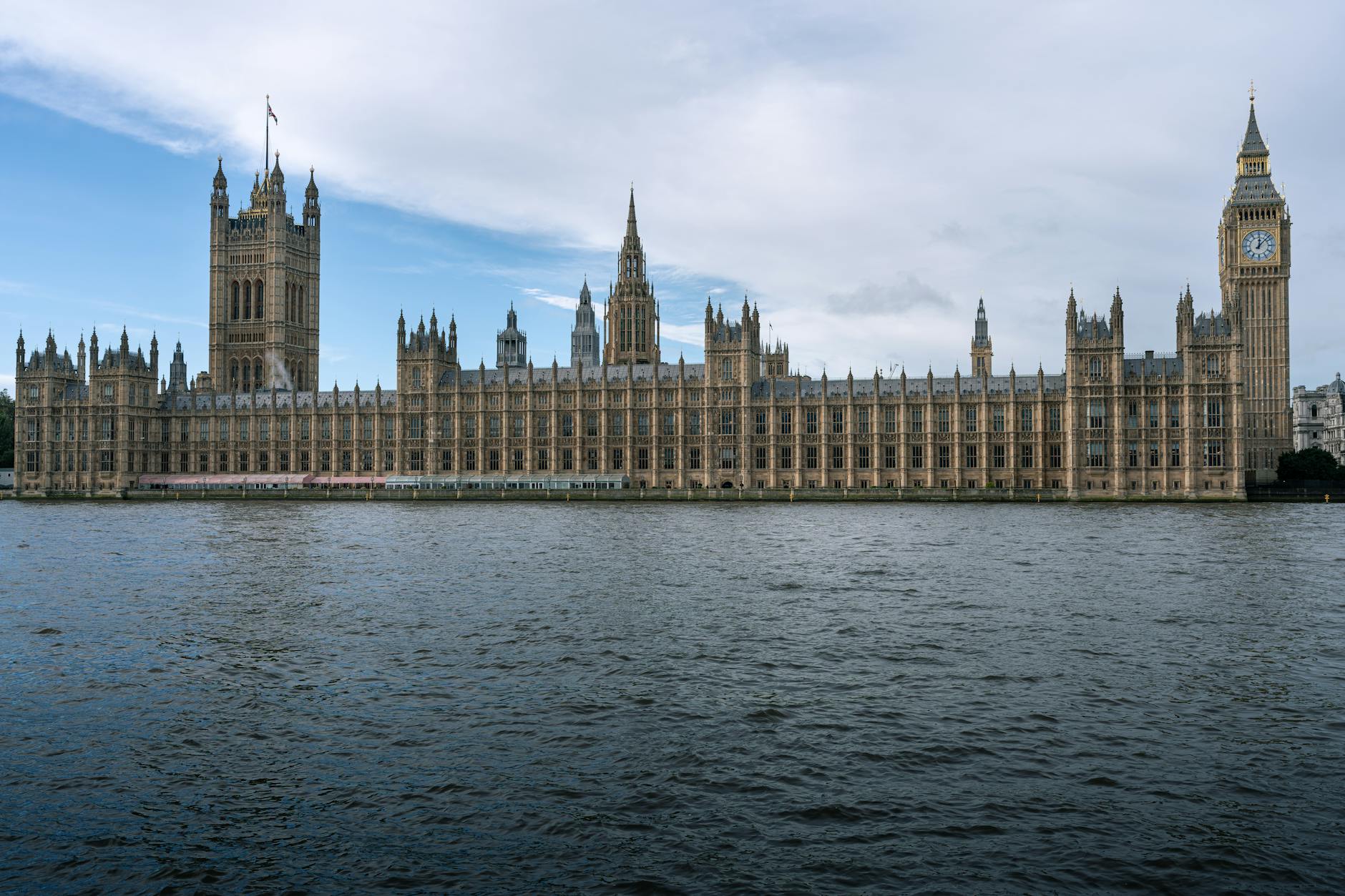
- Government Leadership: The Prime Minister leads the executive branch of the government, oversees the operation of the Civil Service, and implements policy decisions.
- Decision Maker: As head of the UK government, the Prime Minister makes crucial decisions that affect all sectors of policy including health, education, economic policy, and foreign affairs.
- Representation: Internationally, the Prime Minister represents the UK at global summits, in meetings with other world leaders, and during international crises.
- Legislative Role: In the legislative process, the Prime Minister influences law-making, proposing new bills and advocating for the government's agenda in Parliament.
- Party Leadership: Commonly, the Prime Minister also serves as the leader of their political party, influencing party policy and strategy.
Real-Life Impacts on Teenagers
Every decision made by a Prime Minister can potentially impact the lives of young people in the UK. From educational reforms, changes in university tuition fees, to laws that affect youth employment and environmental policies impacting future generations. The Prime Minister's stance on these issues could shape the opportunities and challenges you face as you move through your educational journey and into your adult life.
Dealing with the Impact as a Young Person
While it may seem that the decisions made by such a high-ranking official are distant from your daily life, there are strategies that can help you engage proactively with policies that the Prime Minister and the government enact:
- Stay Informed: Understanding current affairs and the government's policies is crucial. Regularly reading reputable news sources can help you keep abreast of changes that might affect you.
- Participate in dialogues: Join or form discussion groups in your school or community to talk about how political decisions impact young people. This can provide a platform for your voice and concerns.
- Engage in politics: While you might be under the voting age, you can get involved in youth wings of political parties or organisations that champion youth interests.
- Use social media: Leverage platforms to share your views and start campaigns on issues that matter to you. Social media is a powerful tool for raising awareness and influencing change at a grassroots level.
- Community volunteering: Direct involvement in community projects can be a practical way of dealing with, and responding to, political decisions. It also builds a spirit of resilience and active citizenship.
Conclusion
While the role of the UK Prime Minister is complex, filled with extensive duties that steer the direction of the nation, understanding this role enhances your ability to navigate their influence on your personal and community life. By staying informed, engaged, and proactive, you can contribute to shaping the society you want, ensuring your voice and the concerns of your generation are heard. This engagement is vital, as the decisions made today will shape the landscape in which you and future generations will live.
How are you feeling?
It is really important that when we need help, we feel able to ask for it. This could be speaking to a parent, a close friend, a teacher or someone else you trust. Sometimes it can be really hard to share our feelings with other people but if we are feeling low or don't know where to turn, sharing with others is really important. Teachers will always take you seriously and listen to your problems in confidence if you approach them for help. Likewise, parents, siblings or friends will help you if you reach out to them.
If you feel like you can't speak to anyone you know, there are people and organisations that can help support you:
- Childline - Call them on 0800 1111 any time of the day or night, every day of the week
- NSPCC - Call them on 0808 800 5000 between 10am and 4pm Monday to Friday or email them on help@NSPCC.org.uk
- The Samaritans – Call them on 116 123 any time of the day or night, every day of the week
- SANE – Call 0300 304 7000 for support (4:30pm - 10:30pm every day)
- Mind – Call 0300 123 3393 (9:00am - 6:00pm Monday to Friday)
*Sometimes we will use real life examples in our articles to aid understanding. When we do, names and ages will be changed.