
Let's get started...
Understanding the Role of Political Parties
Political parties are a cornerstone of democratic systems around the world. They play a crucial role in the functioning of government and political processes, but what exactly do they do? Let's delve into the purpose and activities of political parties, so you can better understand their impact on your everyday life and future.
What Are Political Parties?
At its core, a political party is an organised group of people with similar political aims and opinions, who seek to influence public policy by getting their candidates elected to public office. The United Kingdom has several major political parties such as the Conservative Party, the Labour Party, the Liberal Democrats, and others, including smaller parties and independents who focus on specific regional or policy issues.
The Functions of Political Parties
Political parties serve several important functions in a democratic society. They provide a structure for political participation, represent diverse interests, and help organise government operations. Here's a breakdown of these roles:
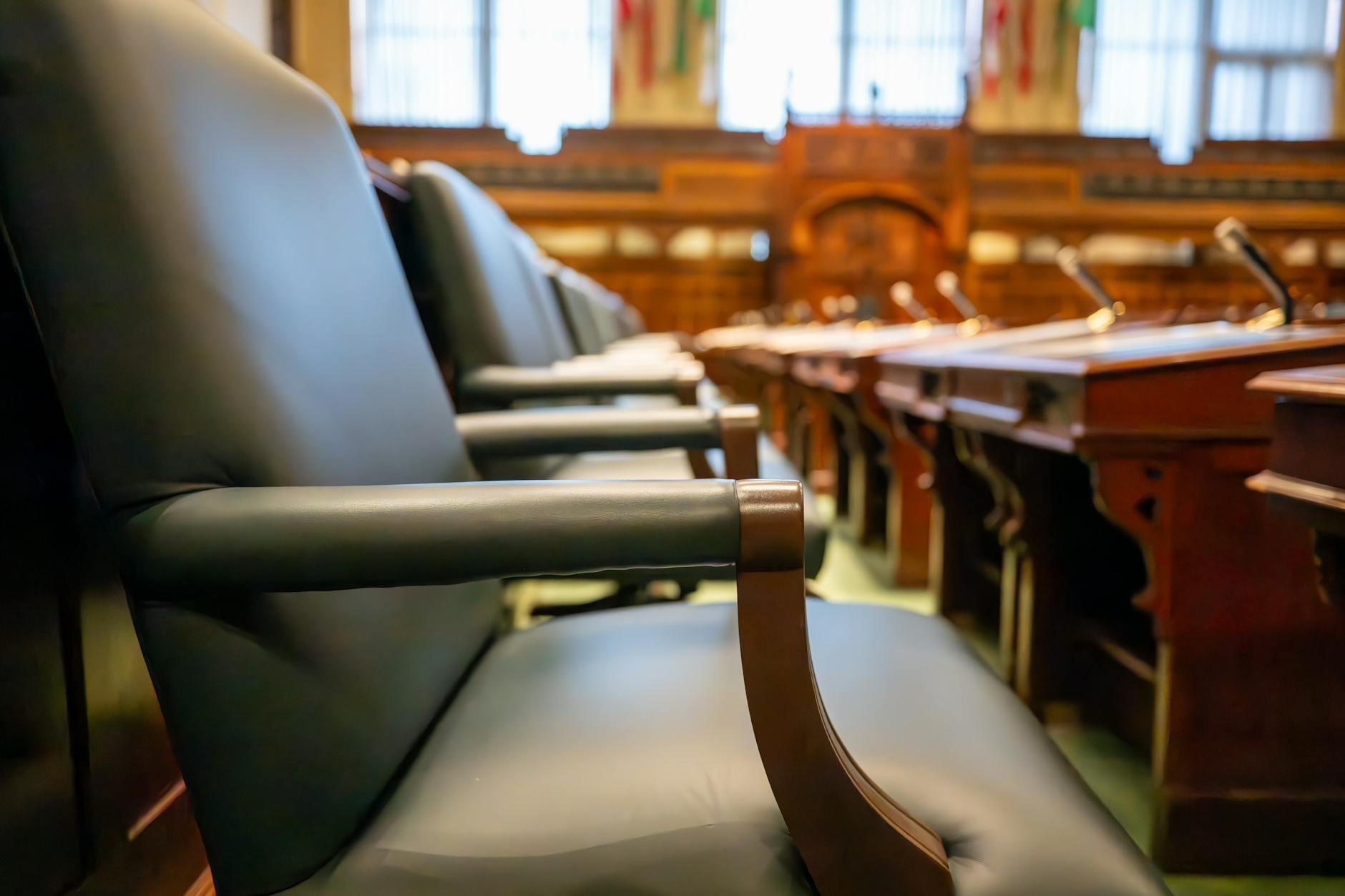
- Policy Formulation: Parties develop and promote specific policy agendas that reflect their ideological leanings. Through manifestos and public debates, they present their vision on how they intend to govern.
- Electioneering: Political parties organise and run election campaigns to win votes and seats in local, regional, and national governments. They use various tools and strategies, including advertising, rallies, and digital campaigns to persuade voters.
- Formation of Government: In parliamentary systems, like in the UK, the party (or coalition of parties) with the majority of seats usually forms the government. The leader of the winning party often becomes the Prime Minister.
- Representation: Parties represent specific interests and groups within society. They act as a bridge between the government and the citizens, helping to ensure that a variety of voices and perspectives are heard in public discourse and decision-making processes.
- Accountability: Political parties play a critical role in holding the government accountable. Opposition parties scrutinise the actions of the government, asking tough questions and debating key issues in public forums, which is crucial for a healthy democracy.
Impact on Young People
Political parties impact young people in significant ways, shaping the policies that will affect their education, employment, environment, and much more. For example, decisions about university fees, job creation programs for youth, climate change policies, and even the digital infrastructure all depend on the government in power and it's policies.
Youth engagement in politics, through supporting or joining a political party, can empower young people to express their views and have a say in shaping their futures. In an era where young voices are increasingly prominent in movements like climate change activism or campaigns for social justice, understanding and possibly participating in political parties becomes even more crucial.
Practical Strategies for Becoming Politically Engaged
Engagement with political parties might seem daunting, but there are several tangible steps that you can take to become more politically active and informed:
- Research: Start by understanding the core beliefs and policies of various political parties. Websites, party manifestos, and independent analysis can provide insights into what each party stands for.
- Volunteer: If a particular party resonates with your beliefs, volunteering in campaigns or local party activities can be a great way to get involved and make a difference.
- Vote: Voting is one of the most powerful tools at your disposal. Even if you are not yet old enough to vote, you can still encourage those around you who can vote to consider issues that are important to the younger generation.
- Engage Online: In today's digital age, parties also engage with voters online. Participating in forums, following official party social media accounts, and using platforms to express your political opinions can also be impactful.
- Educational Programmes: Many parties offer workshops, seminars, or internships that provide youth insight into political processes and policy-making.
Understanding what political parties do and engaging with them can be pivotal, not just for personal development but also for ensuring that your voice and concerns are represented in government decision-making.
Conclusion
Political parties are much more than just groups of politicians they are the engines of democracy that drive political debate, policy formulation, and government action. For young people, understanding and engaging with political parties means taking an active role in shaping the community and the nation's future.
How are you feeling?
It is really important that when we need help, we feel able to ask for it. This could be speaking to a parent, a close friend, a teacher or someone else you trust. Sometimes it can be really hard to share our feelings with other people but if we are feeling low or don't know where to turn, sharing with others is really important. Teachers will always take you seriously and listen to your problems in confidence if you approach them for help. Likewise, parents, siblings or friends will help you if you reach out to them.
If you feel like you can't speak to anyone you know, there are people and organisations that can help support you:
- Childline - Call them on 0800 1111 any time of the day or night, every day of the week
- NSPCC - Call them on 0808 800 5000 between 10am and 4pm Monday to Friday or email them on help@NSPCC.org.uk
- The Samaritans – Call them on 116 123 any time of the day or night, every day of the week
- SANE – Call 0300 304 7000 for support (4:30pm - 10:30pm every day)
- Mind – Call 0300 123 3393 (9:00am - 6:00pm Monday to Friday)
*Sometimes we will use real life examples in our articles to aid understanding. When we do, names and ages will be changed.