

















Let's get started...
The police play a vital role in keeping communities safe, but many teenagers are unsure about what they do, their powers, and how to interact with them. Understanding the police's role and your rights can help you feel more confident and informed. Here are 10 things you've always wanted to know about the police but might have been too afraid to ask.1. What Is the Role of the Police?
The police are responsible for maintaining law and order, preventing crime, and protecting the public. They investigate crimes, arrest offenders, and work within the community to promote safety. Their ultimate goal is to ensure everyone feels secure in their daily lives.2. What Should You Do If You're Stopped by the Police?
If you're stopped by the police, it's important to stay calm and respectful. Here's what you need to know: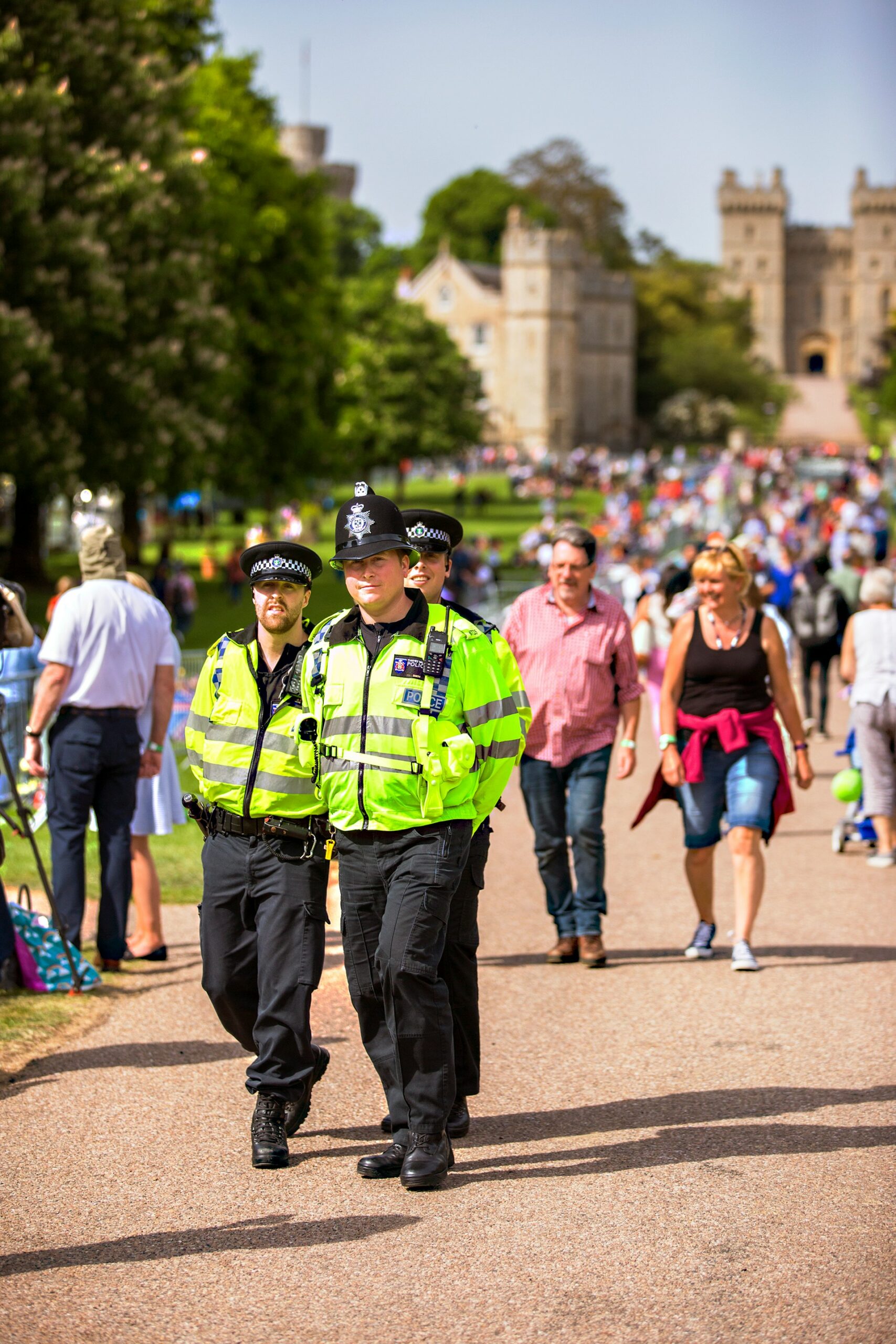
- Stay polite: Avoid arguing or raising your voice.
- Know your rights: You're not required to answer all their questions, but you should provide your name, address, and date of birth if asked.
- Ask why: If you're stopped or searched, the officer must explain the reason.
3. What Are Stop and Search Powers?
Stop and search is a power the police have to check for illegal items, such as drugs or weapons. Officers must have a valid reason to search you, like suspecting you're carrying something illegal. They must:- Explain why they're searching you.
- Provide their name, badge number, and the police station they're based at.
- Give you a record of the search.
4. What Are Your Rights If You're Arrested?
If you're arrested, you have specific rights, including:- The right to remain silent (although staying silent may impact your case later).
- The right to know why you've been arrested.
- The right to contact a parent or guardian if you're under 18.
- The right to legal representation (a solicitor).
5. Can You Be Taken to the Police Station?
If the police believe you've committed a crime, they may take you to the station for questioning. While there, you should:- Ask for a solicitor, this service is free.
- Request for your parent or guardian to be present if you're under 18.
- Answer questions carefully, and don't feel pressured to speak without legal advice.
6. How Do the Police Help in Emergencies?
The police are trained to handle emergencies, including:- Responding to crimes in progress.
- Assisting in accidents or dangerous situations.
- Helping individuals in distress.
7. Real-Life Impact: A Teen's Story
Adam, a 16-year-old from Leeds, shared his experience: "I was stopped by the police while walking home late at night. I was scared at first, but they explained they were checking for stolen items after a local robbery. They were polite and respectful, and the situation was over in minutes. It made me realise they're just doing their job." Josh's story highlights how clear communication can ease interactions with the police.8. How Can the Police Support Young People?
The police aren't just there to enforce laws, they also support young people in various ways, such as:- Running school programs to educate about safety and crime prevention.
- Providing advice on cyberbullying, online safety, and substance misuse.
- Connecting young people with local youth services for additional support.
9. How Can You Build Positive Relationships with the Police?
Building a good relationship with the police benefits everyone. Here's how you can contribute:- Show respect during interactions.
- Report crimes or suspicious activities to help keep your community safe.
- Attend community events or workshops hosted by local officers.
10. What Should You Do If You Feel Treated Unfairly by the Police?
If you believe you've been treated unfairly, you have the right to file a complaint. Steps include:- Writing down details of the incident, including names and badge numbers.
- Contacting your local police station or using the Independent Office for Police Conduct (IOPC) to file a formal complaint.
- Speaking to a trusted adult or solicitor for support.
Conclusion
The police are an essential part of society, working to keep everyone safe. By understanding their role, your rights, and how to interact with them, you can approach situations with confidence and clarity. Whether it's reporting a crime, seeking help, or building positive relationships, knowing the facts helps you navigate the world more safely and responsibly. Remember, the police are there to serve and protect, and you have the right to fair treatment at all times.How are you feeling?
It is really important that when we need help, we feel able to ask for it. This could be speaking to a parent, a close friend, a teacher or someone else you trust. Sometimes it can be really hard to share our feelings with other people but if we are feeling low or don't know where to turn, sharing with others is really important. Teachers will always take you seriously and listen to your problems in confidence if you approach them for help. Likewise, parents, siblings or friends will help you if you reach out to them.
If you feel like you can't speak to anyone you know, there are people and organisations that can help support you:
- Childline - Call them on 0800 1111 any time of the day or night, every day of the week
- NSPCC - Call them on 0808 800 5000 between 10am and 4pm Monday to Friday or email them on help@NSPCC.org.uk
- The Samaritans – Call them on 116 123 any time of the day or night, every day of the week
- SANE – Call 0300 304 7000 for support (4:30pm - 10:30pm every day)
- Mind – Call 0300 123 3393 (9:00am - 6:00pm Monday to Friday)
*Sometimes we will use real life examples in our articles to aid understanding. When we do, names and ages will be changed.
