

















Let's get started...
Understanding the Difference Between Civil Rights and Human Rights
When discussing rights and freedoms, two terms frequently come up: civil rights and human rights. Both are crucial for ensuring justice and equality in societies worldwide, but they aren't the same. Grasping their differences is key to understanding how they affect individual lives and legal systems.
What Are Human Rights?
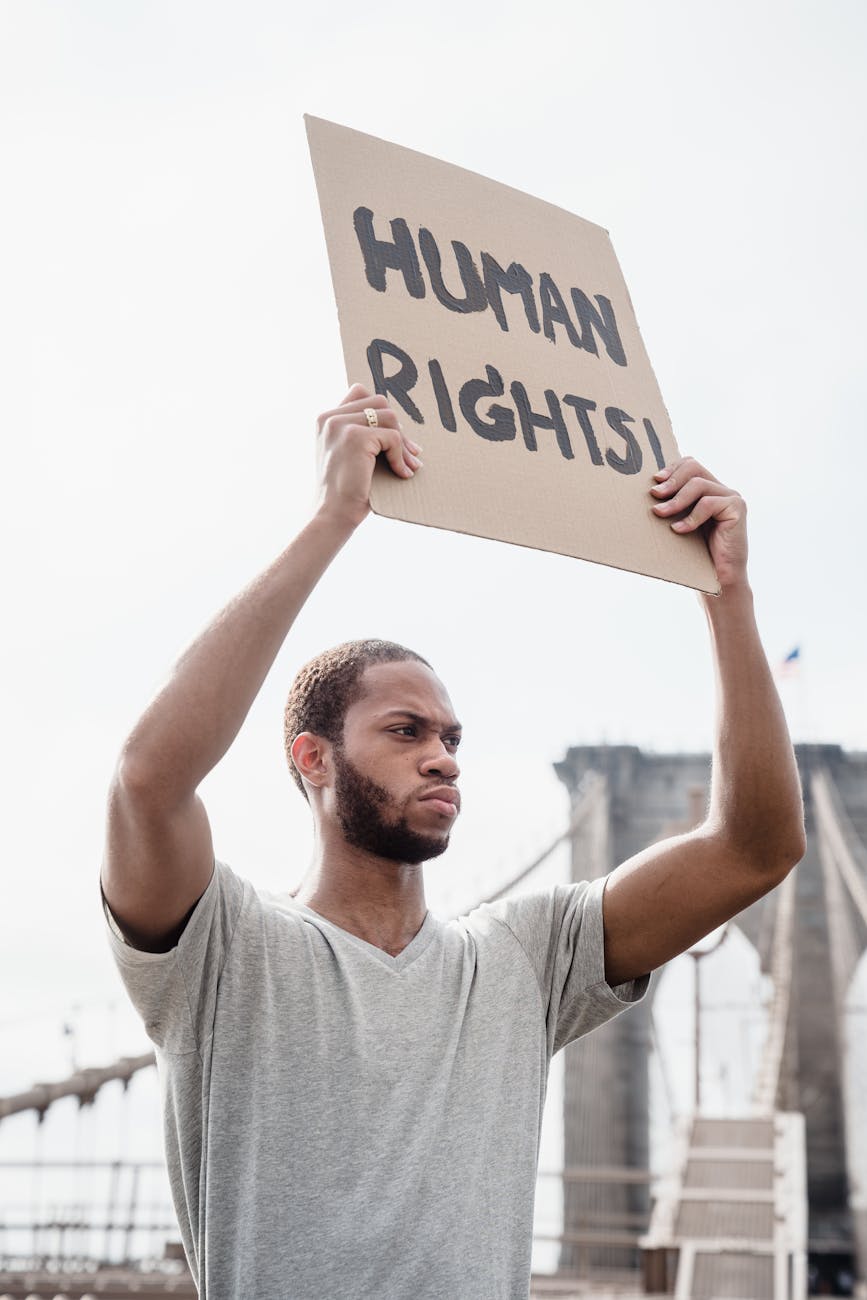
Human rights are rights that every person holds simply by virtue of being human; they are universal and inalienable. These rights are recognised globally and are designed to protect individuals against abuses while ensuring dignity, freedom, and equality. The concept of human rights became globally prominent after World War II, significant due to the atrocities that occurred, leading to the creation of the Universal Declaration of Human Rights (UDHR) by the United Nations in 1948. Human rights include the right to life, freedom from torture, freedom of thought and expression, and social rights like education and healthcare.
What Are Civil Rights?
Civil rights, meanwhile, are protections and privileges granted by laws enacted at the national or local level to ensure freedom from discrimination. Unlike human rights, which are inherent and global, civil rights are given and can vary significantly from one country to another or even between different regions within the same country. In the United Kingdom, for instance, the Equality Act 2010 is a key piece of legislation governing civil rights, protecting people from discrimination on the basis of race, gender, disability, and more.
Key Differences Between Civil Rights and Human Rights
- Scope and Source: Human rights are broad and universal, stemming from international conventions and agreements such as the UDHR. Civil rights are specific to legal jurisdictions and are provided by specific laws enacted by governments.
- Inalienability: Human rights cannot be taken away, whereas civil rights can vary depending on government legislation and can be restricted or expanded depending on political climate or public policy.
- Protection Mechanisms: Human rights abuses can be addressed in international courts such as the International Court of Justice or the European Court of Human Rights. Civil rights issues are usually addressed in national courts unless they escalate to a level that implicates international human rights.
Real-Life Impact on Young People
For teenagers in the UK and around the world, understanding the difference between civil and human rights can be more than academic. These rights frame many aspects of daily life, from the classroom to online spaces, influencing personal freedoms and protections. For example, human rights ensure that young people have the right to education without discrimination, while civil rights may affect the specifics, such as the type of adjustments schools make to accommodate students with disabilities.
Moreover, the intersection of civil and human rights can often come into play in issues like free speech in schools, anti-bullying policies, or the rights of LGBTQQ+ teens. These are areas where international human rights to expression and equality meet specific national laws designed to protect from discrimination.
Practical Strategies for Navigating Civil and Human Rights
- Educate Yourself: Learn about both your human rights under international law and your civil rights under UK law. Knowing what rights apply to you can empower you to protect yourself and others against violations.
- Stay Informed: Keep up with changes in law and policy. Civil rights can change with new legislation or shifts in government policy, and staying updated will help you understand your rights as they evolve.
- Engage in Advocacy: Participate in or start campaigns to defend both civil and human rights. Whether it's through social media, joining a NGO, or participating in community discussions, your voice is vital in the fight for rights and equality.
- Seek Legal Help: If you believe your rights have been violated, consider reaching out to organisations like Liberty or The Equality Trust in the UK, which offer advice and support on civil liberties and rights issues.
- Participate in Education Programs: Many organisations offer workshops and training on civil and human rights. Participating in these can enhance your understanding and equip you with the skills to advocate for yourself and others.
Being aware of the nuances between civil and human rights and actively engaging with them can significantly impact your sense of empowerment and justice. As young individuals poised to inherit increasingly complex social and political landscapes, recognising and upholding these rights is more important than ever.
How are you feeling?
It is really important that when we need help, we feel able to ask for it. This could be speaking to a parent, a close friend, a teacher or someone else you trust. Sometimes it can be really hard to share our feelings with other people but if we are feeling low or don't know where to turn, sharing with others is really important. Teachers will always take you seriously and listen to your problems in confidence if you approach them for help. Likewise, parents, siblings or friends will help you if you reach out to them.
If you feel like you can't speak to anyone you know, there are people and organisations that can help support you:
- Childline - Call them on 0800 1111 any time of the day or night, every day of the week
- NSPCC - Call them on 0808 800 5000 between 10am and 4pm Monday to Friday or email them on help@NSPCC.org.uk
- The Samaritans – Call them on 116 123 any time of the day or night, every day of the week
- SANE – Call 0300 304 7000 for support (4:30pm - 10:30pm every day)
- Mind – Call 0300 123 3393 (9:00am - 6:00pm Monday to Friday)
*Sometimes we will use real life examples in our articles to aid understanding. When we do, names and ages will be changed.
