

















Let's get started...
Discrimination refers to the unjust or prejudicial treatment of different categories of people, particularly on the grounds of race, age, sex, or disability. It's a phenomenon that manifests in various environments, including schools, workplaces, and social settings, affecting countless individuals globally. Importantly, discrimination doesn't just hurt those who are directly targeted; it can have broad implications for society as a whole, influencing our interactions and the opportunities available to individuals.
For teenagers, understanding and recognising discrimination is crucial. This phase of life is when you're forming your own views, learning about the world, and figuring out where you fit in. Discrimination can significantly impact a young person's development, affecting their self-esteem, mental health, and academic performance. In school, for instance, experiencing or even witnessing discrimination can make it difficult to focus on studies or participate in activities, leading to decreased performance and disengagement.
Types of Discrimination
There are several key forms of discrimination that might affect teenagers:
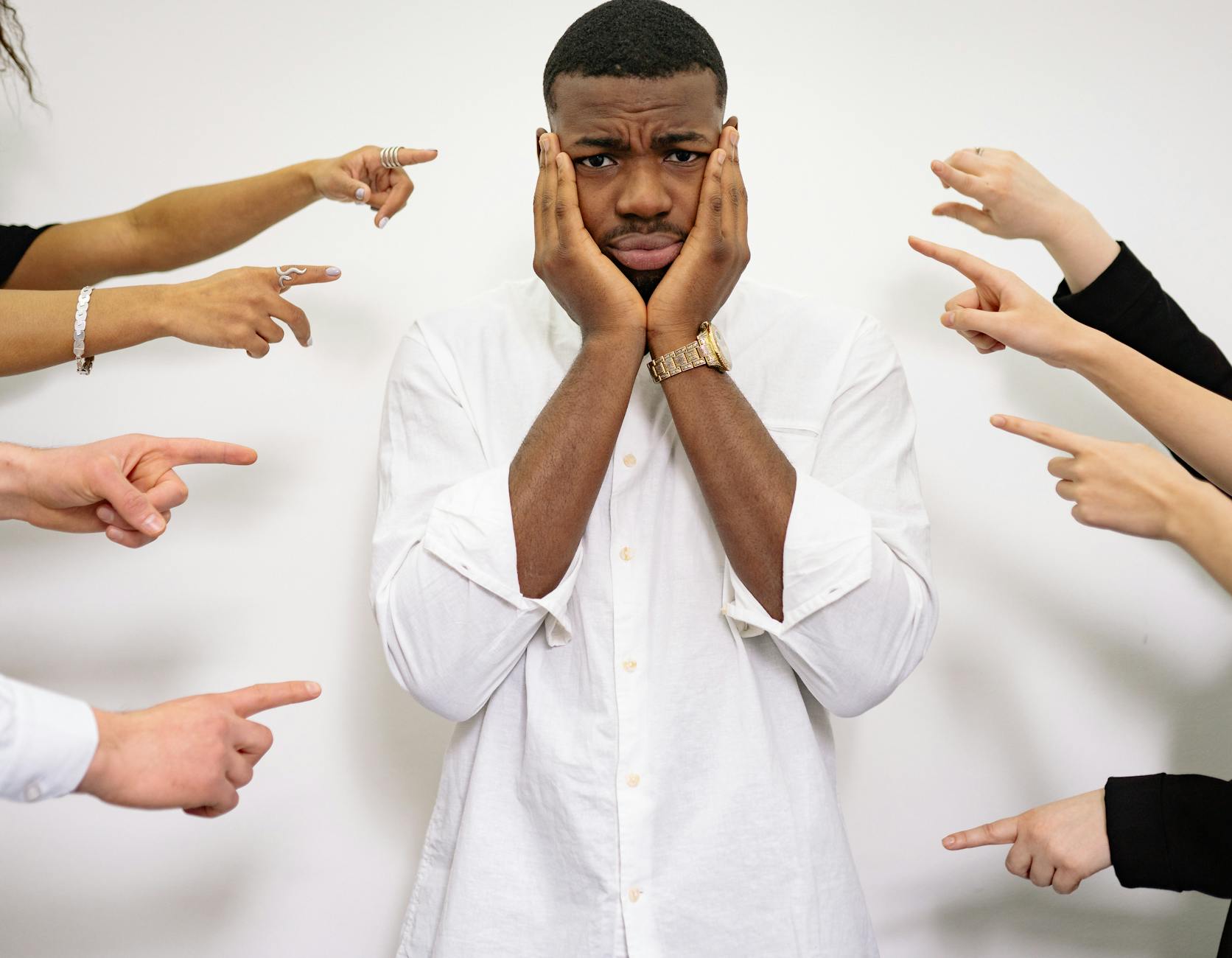
- Racial Discrimination: This involves treating someone unfavourably because of their skin colour, ethnicity, or national origin. In schools, this can manifest as biased comments from peers or unfair treatment by teachers or administrators.
- Gender Discrimination: This occurs when individuals are treated poorly because of their gender. In today's society, awareness about gender roles and stereotypes is growing, but issues like unequal participation opportunities in sports or academia due to gender biases still exist.
- Sexual Orientation and Gender Identity Discrimination: Lesbian, gay, bisexual, transgender, and queer (LGBTQ+) youths often face challenges that their heterosexual peers do not. This can include bullying and harassment in school environments, impacting their overall well-being and academic progress.
- Disability Discrimination: This type of discrimination happens when individuals with disabilities are treated less favourably than others. This could be a lack of access to facilities or resources in educational settings that would allow them equal participation.
- Religious Discrimination: Treating someone differently because of their religious beliefs can affect youths by isolating them from their peers or making them targets of bullying.
Addressing Discrimination as a Teenager
Living through experiences of discrimination can be isolating and challenging, but there are ways to tackle it:
Educate Yourself and Others
Understanding what discrimination looks like and why it is unacceptable is a powerful step toward combating it. Knowledge is not just power; it's empowerment. You can attend workshops, read books, or watch documentaries focused on the experiences of different communities. Sharing this knowledge can help enlighten your peers and create a more understanding environment.
practise Empathy
Putting yourself in someone else's shoes can drastically change how you view discrimination. Empathy involves more than just understanding someone else's feelings. It's about sharing them. Try to understand different perspectives and experiences by talking to peers from diverse backgrounds or listening to their stories.
Be Vocal About Injustices
If you see discrimination happening, speak up. Silence often acts as an enabler of discrimination. However, when speaking up, ensure that you're doing so in a way that is respectful and constructive. Sometimes, direct confrontation may not be the safest or most effective method, so you could talk to a trustworthy adult or authority figure.
Support Each Other
Create or join groups that advocate for equality and inclusivity. Being part of a community that actively resists discrimination can provide support and strength. Together, you can organise events, workshops, or campaigns that highlight issues of discrimination and promote diversity.
Self-Care and Seeking Support
If you're experiencing discrimination, it's important to take care of your mental health. Seek out supportive friends, family, or counsellors who understand and can provide the necessary emotional support. Self-care can also mean stepping back from toxic environments when possible and engaging in activities that affirm your worth and dignity.
Conclusion
Discrimination is a multifaceted issue that can deeply impact teenagers both psychologically and socially. By being informed, practicing empathy, and standing against injustices, young people can play a crucial role in creating a more inclusive society. Remember, the fight against discrimination is not just about helping others it's about working together to ensure respect, opportunities, and fairness for everyone, regardless of their background or identity.
How are you feeling?
It is really important that when we need help, we feel able to ask for it. This could be speaking to a parent, a close friend, a teacher or someone else you trust. Sometimes it can be really hard to share our feelings with other people but if we are feeling low or don't know where to turn, sharing with others is really important. Teachers will always take you seriously and listen to your problems in confidence if you approach them for help. Likewise, parents, siblings or friends will help you if you reach out to them.
If you feel like you can't speak to anyone you know, there are people and organisations that can help support you:
- Childline - Call them on 0800 1111 any time of the day or night, every day of the week
- NSPCC - Call them on 0808 800 5000 between 10am and 4pm Monday to Friday or email them on help@NSPCC.org.uk
- The Samaritans – Call them on 116 123 any time of the day or night, every day of the week
- SANE – Call 0300 304 7000 for support (4:30pm - 10:30pm every day)
- Mind – Call 0300 123 3393 (9:00am - 6:00pm Monday to Friday)
*Sometimes we will use real life examples in our articles to aid understanding. When we do, names and ages will be changed.
