

















Let's get started...
What is Amnesty International?
Amnesty International is a global organisation dedicated to fighting for human rights. Founded in 1961 by British lawyer Peter Benenson, it emerged from his outrage over two Portuguese students reportedly jailed for raising a toast to freedom. Benenson's call to action, published as The Forgotten Prisoners in The Observer, ignited a campaign that would eventually expand into a worldwide movement focused on human rights advocacy.
The organisation operates on the belief that all individuals are entitled to certain basic rights and freedoms, which are outlined in the Universal Declaration of Human Rights (UDHR). Since its inception, Amnesty International has worked across borders to prevent and end grave abuses of human rights and to demand justice for those whose rights have been violated.
Impact on Young People
You may wonder how an organisation like Amnesty International could impact your life as a teenager in the UK. Whether directly or indirectly, the efforts of Amnesty International can influence the societal norms and legal protections that shape your day-to-day experiences and those of your peers worldwide.
1. Education on Human Rights: Amnesty International provides extensive resources and learning tools that help young individuals understand global issues, their rights, and the importance of justice and fairness. This increased awareness creates a more informed youth who are capable of advocating for themselves and others.
2. Advocacy and Empowerment: The organisation encourages active participation through its youth and student groups, allowing you to engage in letter-writing campaigns, protests, and seminars. Such involvement not only bolsters personal development and civic responsibility but also empowers you to take a stand on issues that matter to you.
3. Creating a Safer Future: By pushing for changes in laws and practices that are unjust, Amnesty International plays a crucial role in developing a future where all people can live with dignity and security. Efforts that might seem distant or disconnected from your daily life such as campaigns against wrongful imprisonment or torture contribute to shaping a world that respects and values each person's life and freedoms.
How to Get Involved With Amnesty International
Understanding how Amnesty International works and its impact is only part of the journey. As a capable and motivated young person, there are numerous ways you can align with and contribute to their mission. Here's how:
1. Educate Yourself and Others
- Research: Start by visiting the Amnesty International website. Dive deep into the cases they are working on, understand the broader context of each issue, and follow their social media channels for real-time updates.
- organise educational sessions: Share your knowledge with peers by organising sessions in your school or local community centre. This could be a great way to spread awareness and spark interest among other young individuals.
2. Participate in Campaigns
- Letter writing: Join Amnesty International's letter-writing campaigns. These campaigns target specific cases where rights are being violated, and a flood of international attention can sometimes lead to real change.
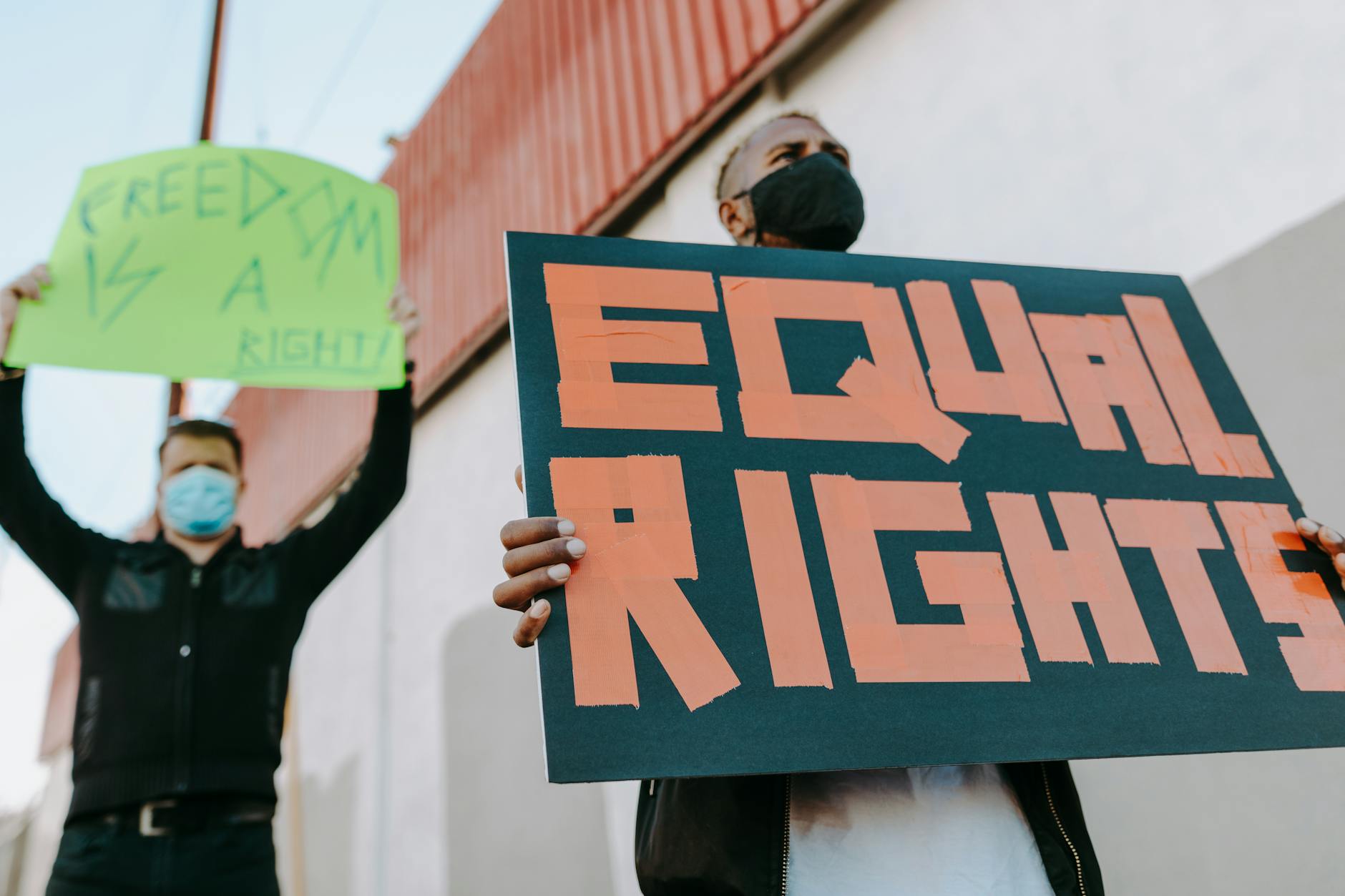
- Attend protests: If there is an organised protest or demonstration advocating for or against a cause, taking part can enlarge the impact and demonstrate youth solidarity.
3. Fundraise
- organise events: Events such as bake sales, sponsored runs, or charity concerts can be fun and effective ways to raise money. Funds are vital for the organisation to continue its independent research and advocacy work.
4. Advocate in Your Own Community
- Start or join a local group: Many schools and universities have Amnesty International groups. Joining one can provide a structured way to contribute to ongoing campaigns, or you could even start your own group if there isn't one already.
- Use social media: Use platforms like Instagram, Twitter, or Facebook to spread the word about human rights abuses and what Amnesty International is doing to combat them. Social media can be a powerful tool for change when used correctly and responsibly.
Conclusion
Amnesty International plays a fundamental role in the global fight for human rights. As a young person in the UK, getting involved with or supporting their cause can not only enhance your understanding of global issues but also contribute to creating a fairer and just society. Whether through education, participation, fundraising, or advocacy, every action counts towards the larger goal of human rights for all.
How are you feeling?
It is really important that when we need help, we feel able to ask for it. This could be speaking to a parent, a close friend, a teacher or someone else you trust. Sometimes it can be really hard to share our feelings with other people but if we are feeling low or don't know where to turn, sharing with others is really important. Teachers will always take you seriously and listen to your problems in confidence if you approach them for help. Likewise, parents, siblings or friends will help you if you reach out to them.
If you feel like you can't speak to anyone you know, there are people and organisations that can help support you:
- Childline - Call them on 0800 1111 any time of the day or night, every day of the week
- NSPCC - Call them on 0808 800 5000 between 10am and 4pm Monday to Friday or email them on help@NSPCC.org.uk
- The Samaritans – Call them on 116 123 any time of the day or night, every day of the week
- SANE – Call 0300 304 7000 for support (4:30pm - 10:30pm every day)
- Mind – Call 0300 123 3393 (9:00am - 6:00pm Monday to Friday)
*Sometimes we will use real life examples in our articles to aid understanding. When we do, names and ages will be changed.
