

















Let's get started...
Understanding Humanitarian Crises
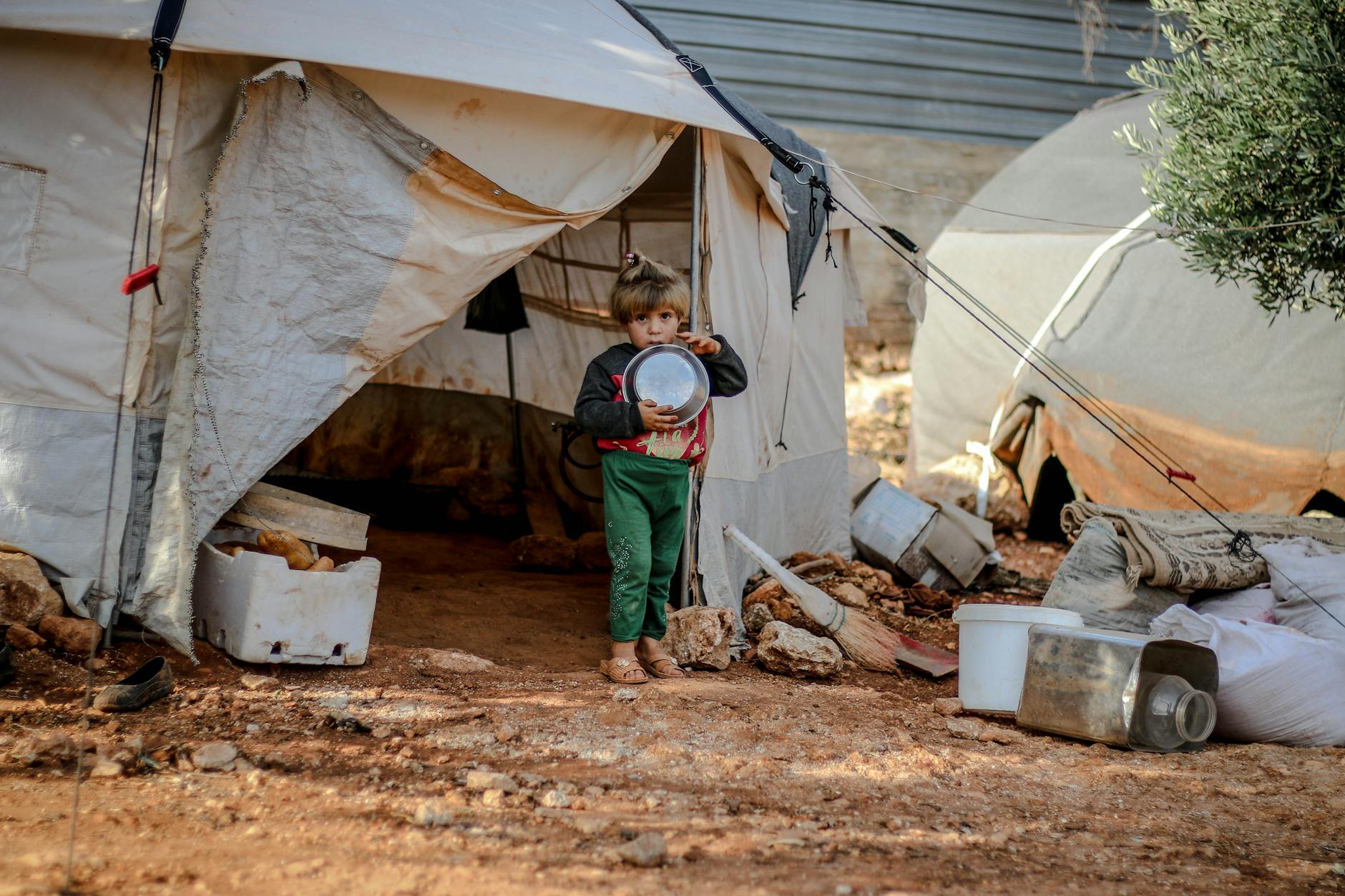
A humanitarian crisis occurs when an event or series of events leads to significant human suffering and necessitates large-scale assistance and intervention. These crises can result from natural disasters, like earthquakes and hurricanes, or from human actions, such as wars and genocides. The critical aspect of a humanitarian crisis is that it overwhelms local capacity to respond effectively without external assistance.
Humanitarian crises usually lead to pressing needs for basics such as clean water, food, shelter, and medical care. Furthermore, they often disrupt education and security, creating an enduring impact on affected populations. The goal of humanitarian aid is to save lives, alleviate suffering, and maintain human dignity during and after such difficulties.
Real-Life Impact of Humanitarian Crises on Teens
For young people, the effects of a humanitarian crisis can be particularly profound. Being a teenager is challenging enough with the physical, emotional, and social changes that come with this stage of life. A crisis introduces additional, intense challenges that can have both immediate and long-lasting effects on your physical and mental health.
Firstly, the disruptions to daily life can mean limited access to education. Schools may be destroyed or repurposed as shelters, or you may be forced to move away from your community. Losing access to education affects not only your learning but also your social interactions and your routine, all of which are important for mental health and development.
Moreover, the stress and trauma of experiencing a crisis directly, such as losing a home or loved ones, witnessing violence, or living in a conflict zone, can lead to significant mental health issues. These might include anxiety, depression, and post-traumatic stress disorder (PTSD). Young people might also suffer from malnutrition, illness, and the absence of medical support, which are common in such conditions.
Practical Strategies for Coping with Humanitarian Crises
While the scope of a humanitarian crisis can make it feel overwhelming, there are strategies that you can employ to manage the effects, especially as a teenager dealing with these challenges.
Maintain a Routine
Try to keep some structure in your daily life. If you're unable to attend school, engage in self-directed learning or online courses if possible. Sticking to a routine can provide a sense of normalcy and control.
Stay Informed but Not Overwhelmed
Keep updated about the situation through reliable sources, but be cautious to not overexpose yourself to distressing news. Managing your media consumption can help maintain your mental health.
Seek Support Networks
Connect with supportive friends, family, or community groups. Sharing your thoughts and feelings can reduce feelings of isolation and help you cope with stress. In many cases, humanitarian aid organisations provide psychological support services that you can access.
Focus on Basic Health Needs
prioritise your health by ensuring that you have access to clean water, food, and medical supplies. In crisis situations, maintaining physical health is crucial for mental well-being. Engage in regular physical activity as much as the situation allows; exercise is a proven mood booster.
Contribute to the Community
If it's safe, look for ways to help out in your community. Helping others can give you a sense of purpose and agency, which can be incredibly empowering in times of crisis.
The Role of Global Action in Mitigating Humanitarian Crises
The international community often plays a critical role in managing humanitarian crises through governments and organisations like the United Nations, Red Cross, and Mdecins Sans Frontires (Doctors Without Borders). These bodies work to provide emergency aid and long-term assistance, helping to rebuild infrastructure, provide healthcare, and restore education systems.
As a teenager, it can feel like you're at the mercy of the adults in charge during these times. However, understanding the basics of humanitarian crises and knowing strategies to cope can empower you to navigate through them with resilience. Encouraging global awareness and empathy from a young age also fosters a more proactive and informed approach to these global challenges in the future.
How are you feeling?
It is really important that when we need help, we feel able to ask for it. This could be speaking to a parent, a close friend, a teacher or someone else you trust. Sometimes it can be really hard to share our feelings with other people but if we are feeling low or don't know where to turn, sharing with others is really important. Teachers will always take you seriously and listen to your problems in confidence if you approach them for help. Likewise, parents, siblings or friends will help you if you reach out to them.
If you feel like you can't speak to anyone you know, there are people and organisations that can help support you:
- Childline - Call them on 0800 1111 any time of the day or night, every day of the week
- NSPCC - Call them on 0808 800 5000 between 10am and 4pm Monday to Friday or email them on help@NSPCC.org.uk
- The Samaritans – Call them on 116 123 any time of the day or night, every day of the week
- SANE – Call 0300 304 7000 for support (4:30pm - 10:30pm every day)
- Mind – Call 0300 123 3393 (9:00am - 6:00pm Monday to Friday)
*Sometimes we will use real life examples in our articles to aid understanding. When we do, names and ages will be changed.
