

















Let's get started...
Understanding Human Rights: What Are They?
Before diving into how you can support human rights, it's crucial to understand what they are. Human rights are the basic rights and freedoms that belong to every person in the world, from birth until death. They apply regardless of where you are from, what you believe, or how you choose to live your life. These rights are based on shared values like dignity, fairness, equality, respect, and independence. These values are defined and protected by law. In the United Kingdom, human rights are protected by the Human Rights Act 1998.
Why Is Supporting Human Rights Important?
Supporting human rights is not just about helping others it's about creating a fairer, more just world where everyone can thrive. Violations of these rights can include discrimination, oppression, and injustice, often hidden from public view. By supporting human rights, you help maintain the balance that protects these most fundamental freedoms against abuse and neglect, potentially affecting everyone's quality of life.
Real-Life Impact on Young People
As a teenager, you might wonder how these issues affect you personally. The truth is, human rights play a crucial role in many areas relevant to your daily life, including education, privacy, freedom of expression, and protection against discrimination. For example, you have the right to freely express your opinions online and in school, the right to access information, and the right to be educated without fear of bullying or unfair treatment based on your race, gender, or any other aspect.
Practical Strategies to Support Human Rights
Educate Yourself and Others
Knowledge is power, and one of the most effective ways to support human rights is to understand them fully. You can start by exploring the Universal Declaration of Human Rights, which outlines the fundamental rights and freedoms all human beings are entitled to. Discussing these rights with friends, family, and classmates can also spread awareness and promote understanding.
Engage in Advocacy
Advocacy involves speaking up about human rights and working to make real changes. This could be as simple as signing petitions that call for action against human rights abuses or participating in campaigns organised by reputable organisations. You can write to your local MP about pressing human rights issues, participate in peaceful protests, or join school clubs focused on social justice themes.
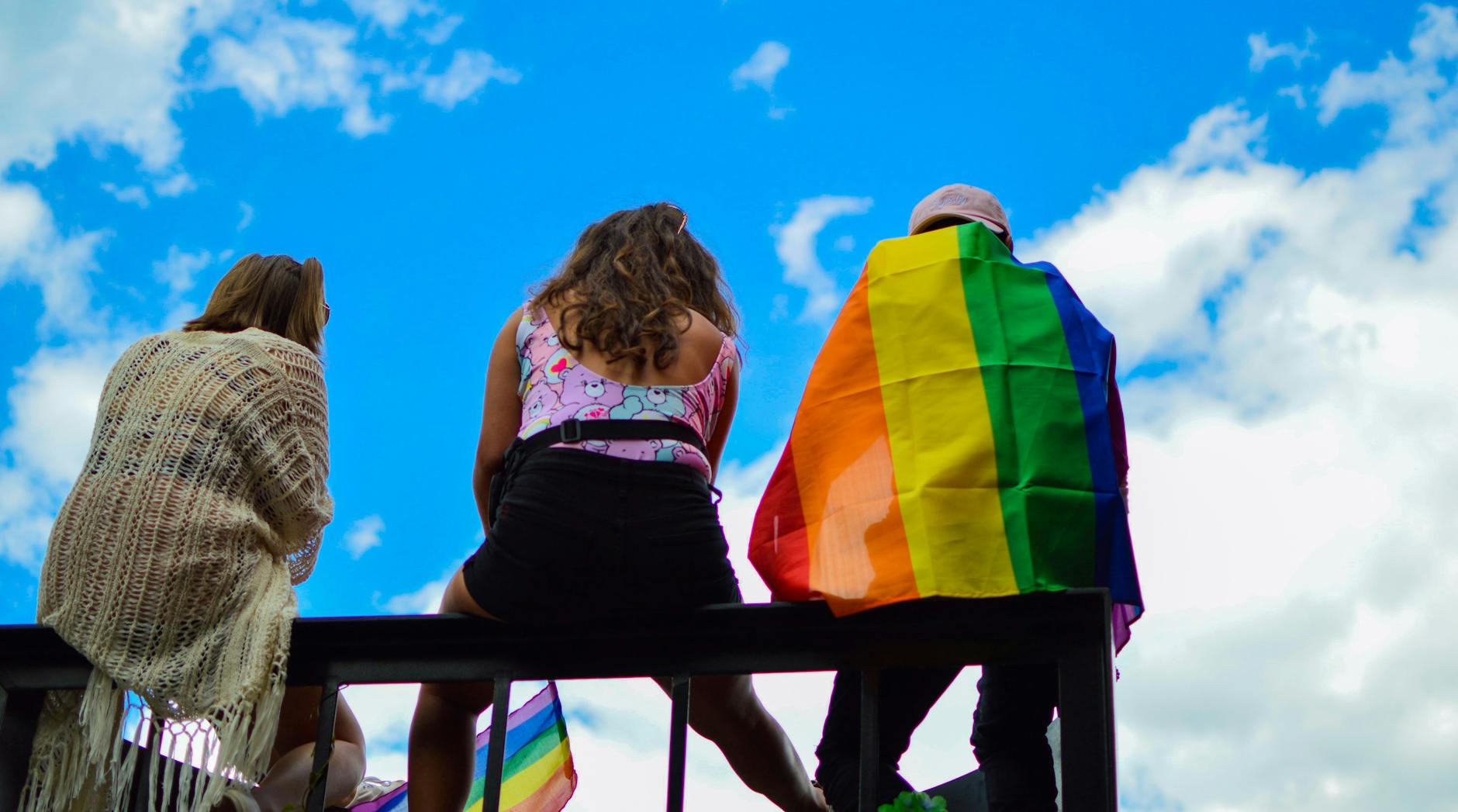
- Volunteer: Many human rights organisations need volunteers to help with various tasks, from organising events to raising awareness through social media. Volunteering gives you a front-row seat to the hands-on work in human rights advocacy and can be enormously fulfilling.
- Support Fair Trade: When you buy products that are fair trade certified, you are ensuring that the people who produce them are treated and paid fairly. This supports the human rights of workers around the globe.
Use Social Media for Good
In today's digital age, social media is a powerful tool that can be used to support human rights. Sharing accurate information and news regarding human rights abuses can raise awareness and influence public opinion. Moreover, social media can provide a platform for those who might not otherwise have one, amplifying the voices that can drive real change in society.
Sustain the Effort
Supporting human rights is not a one-time event but a continuous commitment. Stay informed with reliable sources and continue participating in events and campaigns. Remember, even small actions can contribute to large changes over time. Human rights improvements are often slow and require sustained effort and pressure from many individuals and groups.
The Takeaway
Understanding and supporting human rights can seem overwhelming, but it doesn't have to be. Every small action counts, whether you're educating yourself and others, engaging in advocacy, or simply making conscious decisions about the products you buy. By implementing these strategies, you can make a real impact and contribute to a world where everyone's rights are recognised and respected.
How are you feeling?
It is really important that when we need help, we feel able to ask for it. This could be speaking to a parent, a close friend, a teacher or someone else you trust. Sometimes it can be really hard to share our feelings with other people but if we are feeling low or don't know where to turn, sharing with others is really important. Teachers will always take you seriously and listen to your problems in confidence if you approach them for help. Likewise, parents, siblings or friends will help you if you reach out to them.
If you feel like you can't speak to anyone you know, there are people and organisations that can help support you:
- Childline - Call them on 0800 1111 any time of the day or night, every day of the week
- NSPCC - Call them on 0808 800 5000 between 10am and 4pm Monday to Friday or email them on help@NSPCC.org.uk
- The Samaritans – Call them on 116 123 any time of the day or night, every day of the week
- SANE – Call 0300 304 7000 for support (4:30pm - 10:30pm every day)
- Mind – Call 0300 123 3393 (9:00am - 6:00pm Monday to Friday)
*Sometimes we will use real life examples in our articles to aid understanding. When we do, names and ages will be changed.
