

















Let's get started...
Understanding the Importance of Recycling
At its core, recycling involves turning used materials into new products, which reduces the consumption of fresh raw materials, energy usage, and greenhouse gas emissions. This process is not just a local or individual action but a global necessity that plays a critical role in battling climate change.
Climate change, defined by shifts in temperature and weather patterns due to human activities, primarily the emission of greenhouse gases like carbon dioxide, is one of the most pressing issues of our time. Activities such as extensive deforestation, burning fossil fuels, and inefficient waste handling contribute to the accumulation of these gases in the atmosphere, enhancing the greenhouse effect and global warming. The relationship between recycling and climate change may not be immediately apparent but understanding it can significantly empower us, especially young people, to contribute positively to our planet.
Why Is Recycling Crucial in the Fight Against Climate Change?
Recycling impacts the climate in several beneficial ways. Firstly, it conserves natural resources. For instance, recycling paper reduces the need for deforestation, which is crucial because trees absorb carbon dioxide, a primary greenhouse gas. Similarly, recycling metals means that less energy is required to extract and process raw materials, which typically involves high carbon emissions from the use of fossil fuels.
Secondly, recycling saves energy. Manufacturing products from recycled materials generally consumes less energy than producing the same product from virgin materials. For example, producing recycled aluminium saves up to 95% of the energy required to make the same amount of aluminium from its raw source, bauxite.
Finally, recycling reduces landfill waste. When waste is disposed of in landfills, it decomposes and produces methane, a potent greenhouse gas with a global warming potential many times that of carbon dioxide. By recycling more, we send less waste to landfills, thus reducing methane emissions.
The Real-life Impact on Young People
Understanding and participating in recycling can have a profound effect on young people. First and foremost, it fosters an awareness of environmental stewardship. By learning about and engaging in proper recycling habits, young people develop a clearer understanding of how their actions can impact the planet.
Moreover, recycling encourages a shift in mindset from disposability to sustainability. In a world dominated by single-use products, embracing recycling can be an eye-opener for many, leading to more thoughtful consumption practices. This shift not only helps the climate but also promotes a more mindful, responsible approach to resource use that can last a lifetime.
Last but not least, active engagement in recycling and broader environmental conservation efforts can provide young people with a sense of purpose and community. Many young climate activists started by taking small steps such as recycling or campaigning for recycling programs at their schools or in their communities. These actions can lead to bigger roles in environmental advocacy, shaping career paths and life choices.
Practical Strategies for Effective Recycling
To make recycling a part of everyday life, consider the following strategies:
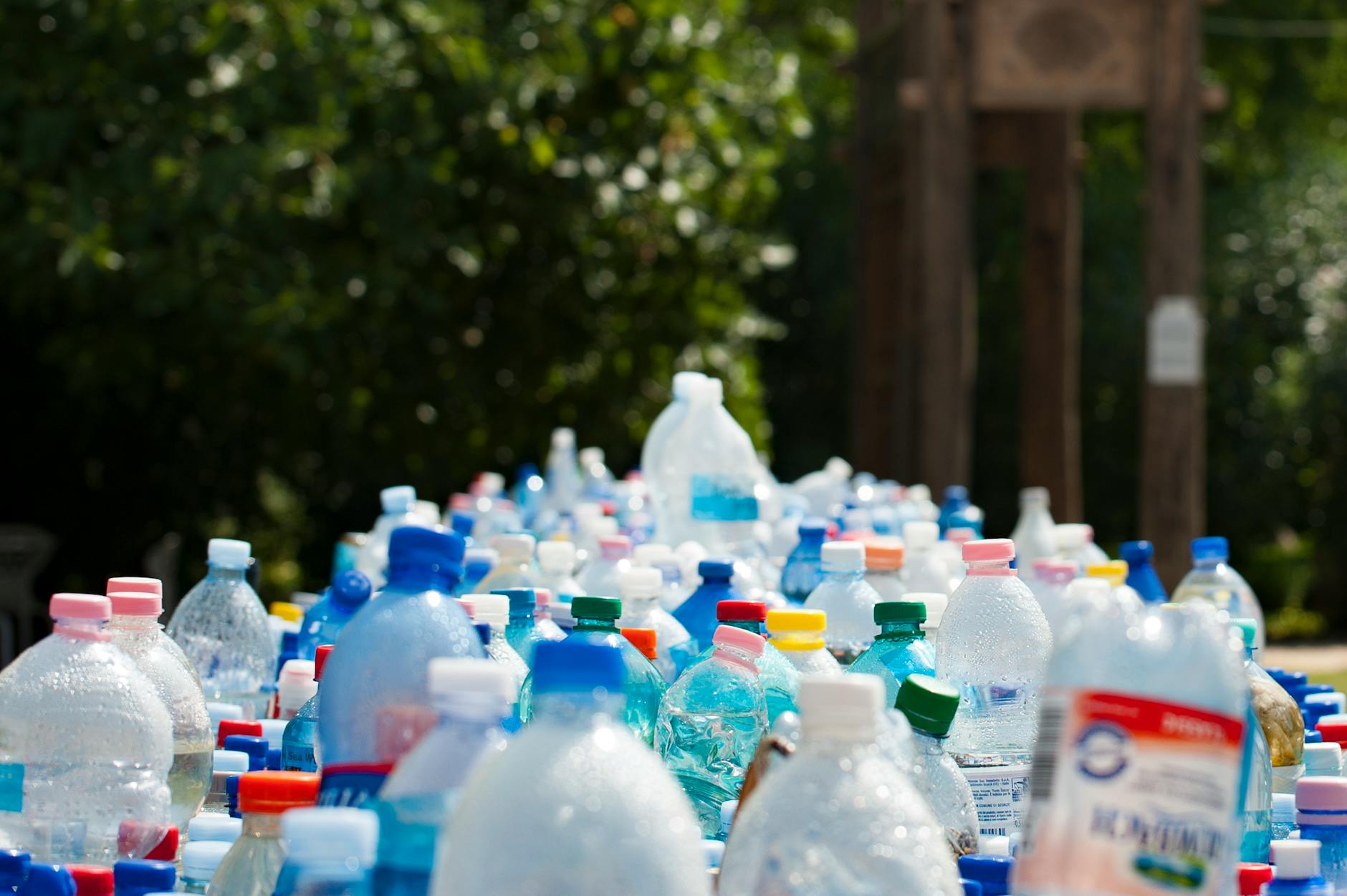
- Educate Yourself and Others: Knowing what can and cannot be recycled in your area is a fundamental first step. Once you have that knowledge, spread it by educating friends, family, and community members.
- Reduce and Reuse: Before you recycle, think about whether you can reduce your consumption of a certain item or reuse it. For instance, using a reusable water bottle instead of buying bottled water or using a reusable lunch box instead of a plastic bag for your sandwiches.
- Proper Segregation: Ensure that recyclable materials are not contaminated by food waste or other non-recyclable items. Contamination can make recyclable materials unsuitable for the recycling process.
- Participate in or organise Local Clean-Up Events: These events can be great for boosting community spirit and improving the local environment while emphasising the importance of not littering.
- Advocate for Better Recycling Facilities: If your school or neighbourhood lacks adequate recycling bins or the existing facilities are insufficient, campaign for better resources.
- Support Eco-friendly Businesses: Favour companies and products that adhere to sustainable practices, including the use of recycled materials.
Recycling is a simple yet powerful way to help combat climate change. As young people are increasingly at the forefront of climate activism, understanding and participating in good recycling practices becomes even more crucial. By integrating these activities into everyday life and advocating for broader environmental policies, teenagers can play an essential role in safeguarding our planet for future generations.
How are you feeling?
It is really important that when we need help, we feel able to ask for it. This could be speaking to a parent, a close friend, a teacher or someone else you trust. Sometimes it can be really hard to share our feelings with other people but if we are feeling low or don't know where to turn, sharing with others is really important. Teachers will always take you seriously and listen to your problems in confidence if you approach them for help. Likewise, parents, siblings or friends will help you if you reach out to them.
If you feel like you can't speak to anyone you know, there are people and organisations that can help support you:
- Childline - Call them on 0800 1111 any time of the day or night, every day of the week
- NSPCC - Call them on 0808 800 5000 between 10am and 4pm Monday to Friday or email them on help@NSPCC.org.uk
- The Samaritans – Call them on 116 123 any time of the day or night, every day of the week
- SANE – Call 0300 304 7000 for support (4:30pm - 10:30pm every day)
- Mind – Call 0300 123 3393 (9:00am - 6:00pm Monday to Friday)
*Sometimes we will use real life examples in our articles to aid understanding. When we do, names and ages will be changed.
