

















Let's get started...
Understanding the Melting Ice Caps
The issue of melting ice caps is growing more urgent as it not only symbolises a major shift in our global climate patterns but also poses direct risks and challenges for future generations, including teenagers today. To understand, it's crucial to start at the basics. The ice caps, primarily located in Greenland and Antarctica, are massive sheets of ice. These ice caps have existed for millions of years, growing and shrinking in response to Earth's natural climatic rhythms. However, recent years have seen an unprecedented acceleration in melting, mainly attributed to human-induced climate change.
Global warming, primarily driven by the increase in greenhouse gases such as carbon dioxide and methane from human activities including industrial processes, deforestation, and excessive burning of fossil fuels, is the main culprit. As temperatures worldwide rise, ice caps absorb more heat and melt at a faster rate than they can be replenished, leading to a myriad of ecological shift.
Real-Life Impact on Teenagers
For teenagers, the melting ice caps are not just a distant environmental issue, but something that will increasingly impact their lives. One of the most direct effects is sea level rise. As ice caps melt, they add fresh water to the world's oceans, making sea levels rise. This leads to the flooding of low-lying areas which might be where some teenagers live, affecting their communities, homes, and even schools.
Additionally, changes in climate patterns can lead to unpredictable weather conditions. This could mean unusually cold winters or extremely hot summers, irregular rainfall patterns leading to floods or droughts. Each of these changes can affect food production, water supply, and natural habitats, disrupting the balance of the natural environment teenagers interact with daily.
Ecological and Social Consequences
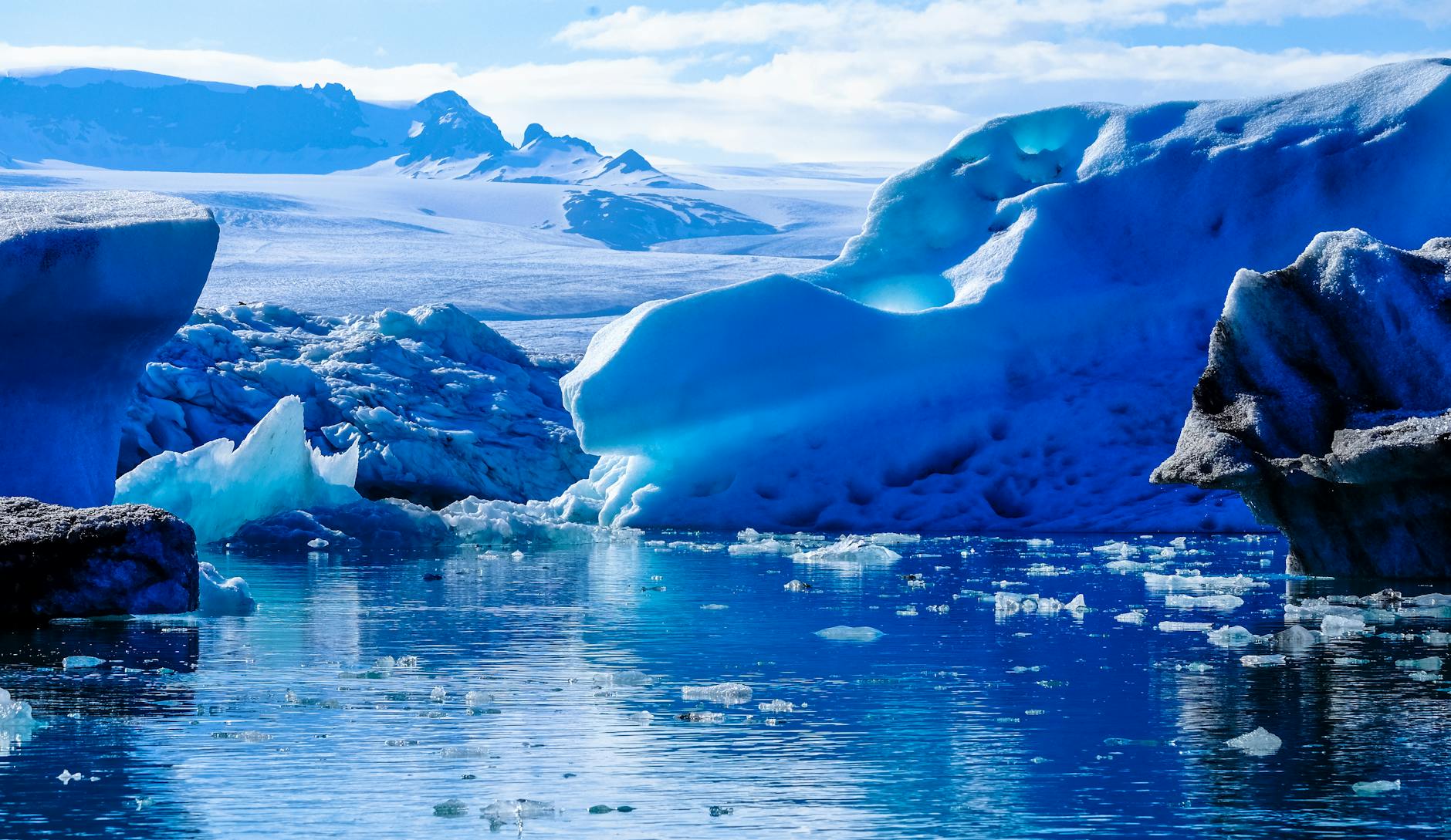
- Disruption of Ecosystems: The rapid change in habitats due to warming can lead to the loss of species that teenagers might have grown familiar with; it affects biodiversity, which is crucial for maintaining a balanced ecosystem.
- Economic Impacts: Many industries, such as agriculture and tourism, heavily depend on stable climate conditions. Changes induced by melting ice can lead to economic instability, affecting job prospects for teenagers as they enter the workforce.
- Health Risks: Increased temperatures and shifting weather patterns can contribute to the spread of diseases. Conditions such as asthma and allergies might become more prevalent among teenagers due to increased pollutants and allergens in the air from disrupted natural environments.
Practical Strategies for Teens
Despite the challenges posed by the melting ice caps, there are several proactive steps teenagers can take to mitigate these impacts and contribute to broader global solutions:
Environmental Education
Understanding the science behind climate change and its impacts is the first step in becoming part of the solution. Teenagers can seek resources to educate themselves and others around them. Schools, local libraries, and online platforms offer plenty of informational resources that explain the complexities of global warming in an accessible way.
Sustainable Living Choices
Every action counts when it comes to environmental conservation. Simple daily routines like reducing water wastage, minimising single-use plastics, recycling, and conserving electricity can collectively make a significant impact. Teenagers can also advocate for clean energy solutions at home or within their communities.
Community Engagement
Joining or forming eco-clubs at school or community centres can help teens engage with like-minded peers to work on environmental projects like tree planting, clean-ups, or educational workshops. Such initiatives not only help the environment but also build leadership and teamwork skills.
Political Activism
The youth voice is powerful, especially when it comes to influencing policy. Teenagers can participate in youth-led movements, sign petitions, and stay informed about legislative actions that aim to tackle climate change. Writing to local representatives or engaging in dialogues through forums can also promote policy changes that prioritise sustainable environmental practices.
Conclusion
The melting ice caps are a wake up call urging action toward sustainability. By making informed choices, standing together in community initiatives, and pushing for systemic environmental reforms, teenagers can actually pave the way toward slowing down the effects of this global issue. Their participation is not only beneficial but essential in driving change for a sustainable future.
How are you feeling?
It is really important that when we need help, we feel able to ask for it. This could be speaking to a parent, a close friend, a teacher or someone else you trust. Sometimes it can be really hard to share our feelings with other people but if we are feeling low or don't know where to turn, sharing with others is really important. Teachers will always take you seriously and listen to your problems in confidence if you approach them for help. Likewise, parents, siblings or friends will help you if you reach out to them.
If you feel like you can't speak to anyone you know, there are people and organisations that can help support you:
- Childline - Call them on 0800 1111 any time of the day or night, every day of the week
- NSPCC - Call them on 0808 800 5000 between 10am and 4pm Monday to Friday or email them on help@NSPCC.org.uk
- The Samaritans – Call them on 116 123 any time of the day or night, every day of the week
- SANE – Call 0300 304 7000 for support (4:30pm - 10:30pm every day)
- Mind – Call 0300 123 3393 (9:00am - 6:00pm Monday to Friday)
*Sometimes we will use real life examples in our articles to aid understanding. When we do, names and ages will be changed.
