
Let's get started...
Understanding Global Warming: The Basics
Global warming refers to the long-term heating of Earth's climate system observed since the pre-industrial period (between 1850 and 1900) due to human activities, primarily fossil fuel burning, which increases heat-trapping greenhouse gas levels in the Earth's atmosphere. This phenomenon is closely linked with climate change, which includes not only rising average temperatures but also extreme weather events, shifting wildlife populations and habitats, rising seas, and a range of other impacts. All of these changes stem from the increased levels of greenhouse gases, such as carbon dioxide and methane, in our atmosphere.
How Global Warming is Changing Our World
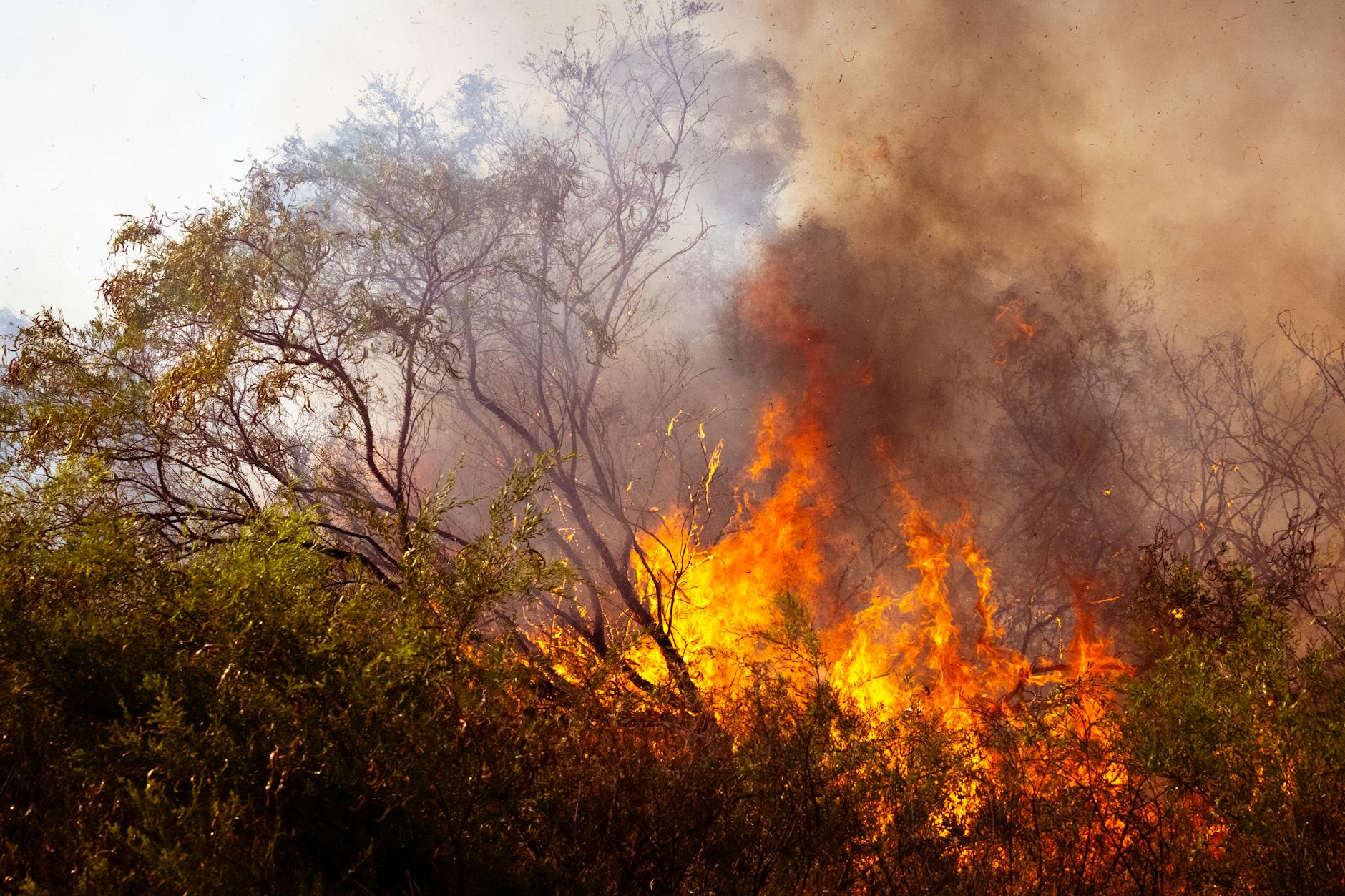
The impact of global warming is vast and it's effects can be seen in various aspects of our planet. Glaciers are melting, sea levels are rising, coral reefs are dying, and we are experiencing more extreme weather events like hurricanes and droughts. Temperature rises are causing changes in the behaviour and lifecycle patterns of both plants and animals. These changes have cascading effects on ecosystems and biodiversity as a whole.
For example, warmer temperatures could lead to more intense and frequent heatwaves, affecting health and agricultural production, which is crucial for food supply. Rising sea levels threaten to erode coastlines and increase flooding, which could displace millions of people around the globe. The socioeconomic and geopolitical ramifications of these environmental changes are profound, affecting everything from economics to human migration and conflict.
Global Warming and its Direct Impact on Teens
As a teenager, you might wonder how global warming will directly affect you. From changes in your local weather affecting sports activities and how hot your summer gets, to broader impacts on food prices due to altered agricultural production, global warming has real-world implications on your daily life and future.
In areas with increased temperatures, heatwaves can make it uncomfortable to engage in outdoor activities, which can affect your physical health. Air quality can also degrade with rising temperatures, exacerbating conditions like asthma, which is a common concern among young people. The emotional stress and anxiety about future prospects due to global environmental changes can't be undermined. This is frequently referred to as eco-anxiety.
Practical Strategies for Dealing with Global Warming
Despite the overwhelming nature of global warming, there are actionable steps you can take to mitigate its impact, both personally and within your community. Here's how you can contribute:
- Educate Yourself and Others: The more you know, the better equipped you'll be to discuss and tackle the issue. Share reliable information with friends, family, and through your social media channels.
- Adopt Sustainable Habits: Simple changes in your daily life can make a difference. Consider reducing waste, recycling, using energy-efficient appliances, and cutting back on water use.
- Support Green Energy: Where possible, support and advocate for the use of renewable energy sources such as solar, wind, or hydroelectric energy. This could be as simple as participating in programs that allow you to buy renewable energy from your utility provider.
- Get Involved in Community and Political Advocacy: Join local environmental groups or campaigns that aim to promote sustainable policies. Engaging in environmental advocacy can lead to substantial change, especially if it influences policy decisions.
- Leverage Technology and Innovation: Keep an eye out for technological advancements that aim to reduce carbon footprints and improve energy efficiency. Support and promote innovations that offer sustainable alternatives.
Remember, while the prospect of combating global warming can seem daunting, collective action can lead to significant environmental benefits. Whether it's by getting involved in community initiatives, advocating for policy changes, or making personal lifestyle adjustments, your actions contribute to a larger global effort to mitigate the effects of climate change.
Conclusion
Global warming isn't just a challenge for governments and businesses; it's a call to action for all, including teens. By understanding the issue, its impacts, and how to combat it, young people can play a crucial role in shaping a sustainable future. Whether through advocacy, adjustments in daily life, or engaging in community efforts, there are numerous ways for teenagers to get involved and make a difference in the global fight against global warming.
How are you feeling?
It is really important that when we need help, we feel able to ask for it. This could be speaking to a parent, a close friend, a teacher or someone else you trust. Sometimes it can be really hard to share our feelings with other people but if we are feeling low or don't know where to turn, sharing with others is really important. Teachers will always take you seriously and listen to your problems in confidence if you approach them for help. Likewise, parents, siblings or friends will help you if you reach out to them.
If you feel like you can't speak to anyone you know, there are people and organisations that can help support you:
- Childline - Call them on 0800 1111 any time of the day or night, every day of the week
- NSPCC - Call them on 0808 800 5000 between 10am and 4pm Monday to Friday or email them on help@NSPCC.org.uk
- The Samaritans – Call them on 116 123 any time of the day or night, every day of the week
- SANE – Call 0300 304 7000 for support (4:30pm - 10:30pm every day)
- Mind – Call 0300 123 3393 (9:00am - 6:00pm Monday to Friday)
*Sometimes we will use real life examples in our articles to aid understanding. When we do, names and ages will be changed.