
Let's get started...
Understanding Renewable Energy Sources
In an age where sustainability is more crucial than ever, renewable energy sources have emerged as vital alternatives to traditional fossil fuels. The latter, including coal, oil, and natural gas, are finite resources, which also contribute significantly to environmental pollution and global warming. Renewable energy, on the other hand, comes from sources that regenerate naturally on a human timescale and are less damaging to the environment.
Types of Renewable Energy Sources
The most common types of renewable energy sources include solar, wind, hydroelectric (water), biomass, and geothermal. Each type harnesses natural processes and converts them into energy, usually in the form of electricity or heat.
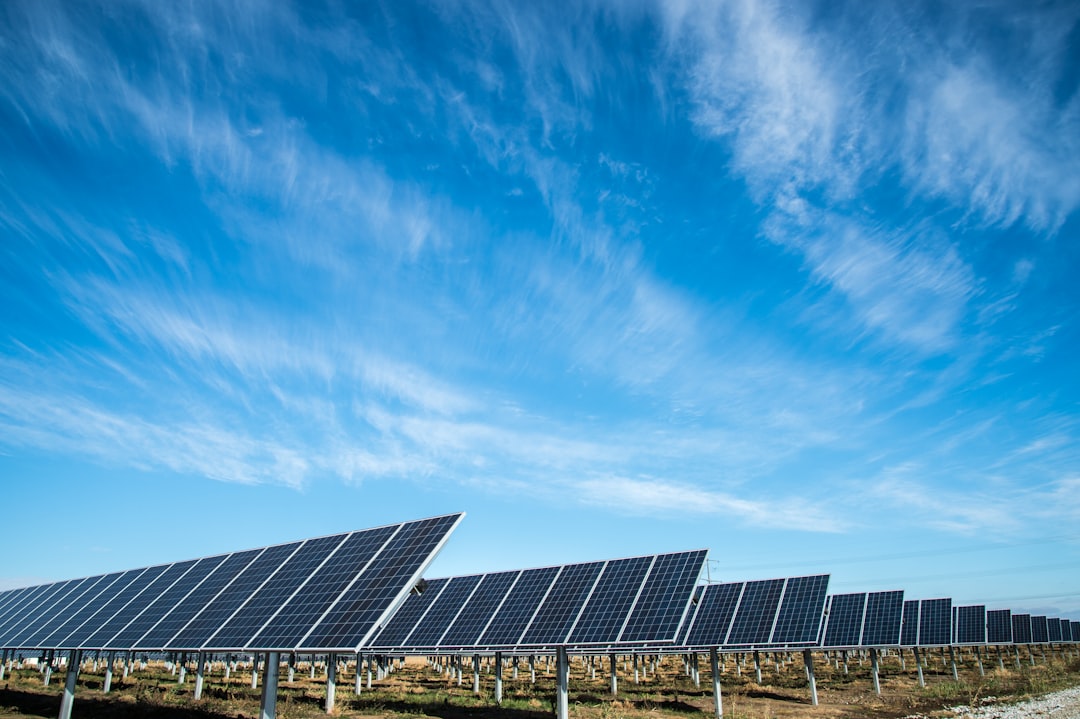
- Solar Energy: This involves capturing the sun's energy using solar panels composed of photovoltaic cells that convert sunlight directly into electricity.
- Wind Energy: Produced using wind turbines that convert the kinetic energy in wind into mechanical power, which can then be converted into electricity.
- Hydroelectric Energy: Generated by capturing the energy from moving water. Dams are the most common method, where water flow turns turbines that generate electricity.
- Biomass Energy: This is produced from organic materials, such as plant waste and wood. These materials are burned to release stored energy as heat, which is then used to produce electricity.
- Geothermal Energy: Derived from the heat below the earth's surface. This heat can be captured and used to heat buildings or generate electricity.
Why Renewable Energy Matters for You
For teenagers today, the shift towards renewable energy isn't just a broad scientific or environmental issue - it's a change that can affect many aspects of your future. Here's how embracing renewable energy can impact your life:
- Environmental Conservation: By using renewable sources, we reduce the amount of carbon dioxide and other harmful gases released into the atmosphere. This is crucial in battling climate change and preserving the planet for future generations.
- Economic Opportunities: The renewable energy sector is rapidly growing, which means new jobs and career paths. Whether you're interested in engineering, environmental science, or even finance, there's likely a role for you in the green economy.
- Energy Security: Reducing our dependence on imported fossil fuels can enhance national security and ensure stable energy prices. This might not seem directly relevant now, but it contributes to a stable economy as you enter adulthood.
How You Can Engage with Renewable Energy
Engaging with renewable energy doesn't require you to be a scientist or an engineer; there are several ways you can participate right from your home or community:
- Educate Yourself and Others: Knowing about different types of renewable energy and their benefit's is the first step. Share this knowledge with your friends and family to spread awareness.
- Support Renewable Energy in Your Home: Talk to your parents about switching to energy providers that offer renewable energy options, or suggest installing solar panels at home.
- Join or Start a Club: Schools often have environmental clubs that focus on promoting sustainability practices including the adoption of renewable energy. If there isn't one, consider starting it yourself!
- Advocate for Change: Participate in local and online campaigns that support policies favouring renewable energy development.
Future Prospects in Renewable Energy
The future is bright for renewable energy. Innovations are continually being made in the efficiency and storage of clean energy. As technology advances, renewable energy is becoming more accessible and cost-effective, paving the way for a sustainable power generation landscape that you as a young person will inherit and further develop.
Renewable energy is not just shaping how we power our homes and industries; it is transforming economies, environments, and communities. For forward-thinking teens, engaging with and advocating for renewable energy can not only help safeguard our planet but also open up myriad avenues in a future career dedicated to sustainable development.
Conclusion
Renewable energy sources are crucial not only for environmental reasons but for economic and security reasons as well. By understanding, advocating, and directly engaging with renewable energy, you can play an important part in driving the shift towards more sustainable energy solutions. This proactive involvement not only contributes to saving the planet but also empowers you with knowledge and skills that are increasingly relevant in today's world.
How are you feeling?
It is really important that when we need help, we feel able to ask for it. This could be speaking to a parent, a close friend, a teacher or someone else you trust. Sometimes it can be really hard to share our feelings with other people but if we are feeling low or don't know where to turn, sharing with others is really important. Teachers will always take you seriously and listen to your problems in confidence if you approach them for help. Likewise, parents, siblings or friends will help you if you reach out to them.
If you feel like you can't speak to anyone you know, there are people and organisations that can help support you:
- Childline - Call them on 0800 1111 any time of the day or night, every day of the week
- NSPCC - Call them on 0808 800 5000 between 10am and 4pm Monday to Friday or email them on help@NSPCC.org.uk
- The Samaritans – Call them on 116 123 any time of the day or night, every day of the week
- SANE – Call 0300 304 7000 for support (4:30pm - 10:30pm every day)
- Mind – Call 0300 123 3393 (9:00am - 6:00pm Monday to Friday)
*Sometimes we will use real life examples in our articles to aid understanding. When we do, names and ages will be changed.