

















Let's get started...
The Middle East is a region that has been affected by conflict for centuries, with the roots of many modern struggles going back decades, or even centuries. The reasons for the conflicts in the Middle East are complex, involving a mix of historical, political, religious, and economic factors. In this article, we'll explore why there is conflict in the Middle East, how it impacts young people living there, and what we can do to better understand and deal with the topic as teenagers in the UK.
The Historical Background of Middle East Conflicts
The history of the Middle East is a long and complicated one, full of conflict, power struggles, and shifts in control. To understand why there is conflict in the Middle East today, it's important to look at the history that led to many of these problems.
1. The Decline of the Ottoman Empire
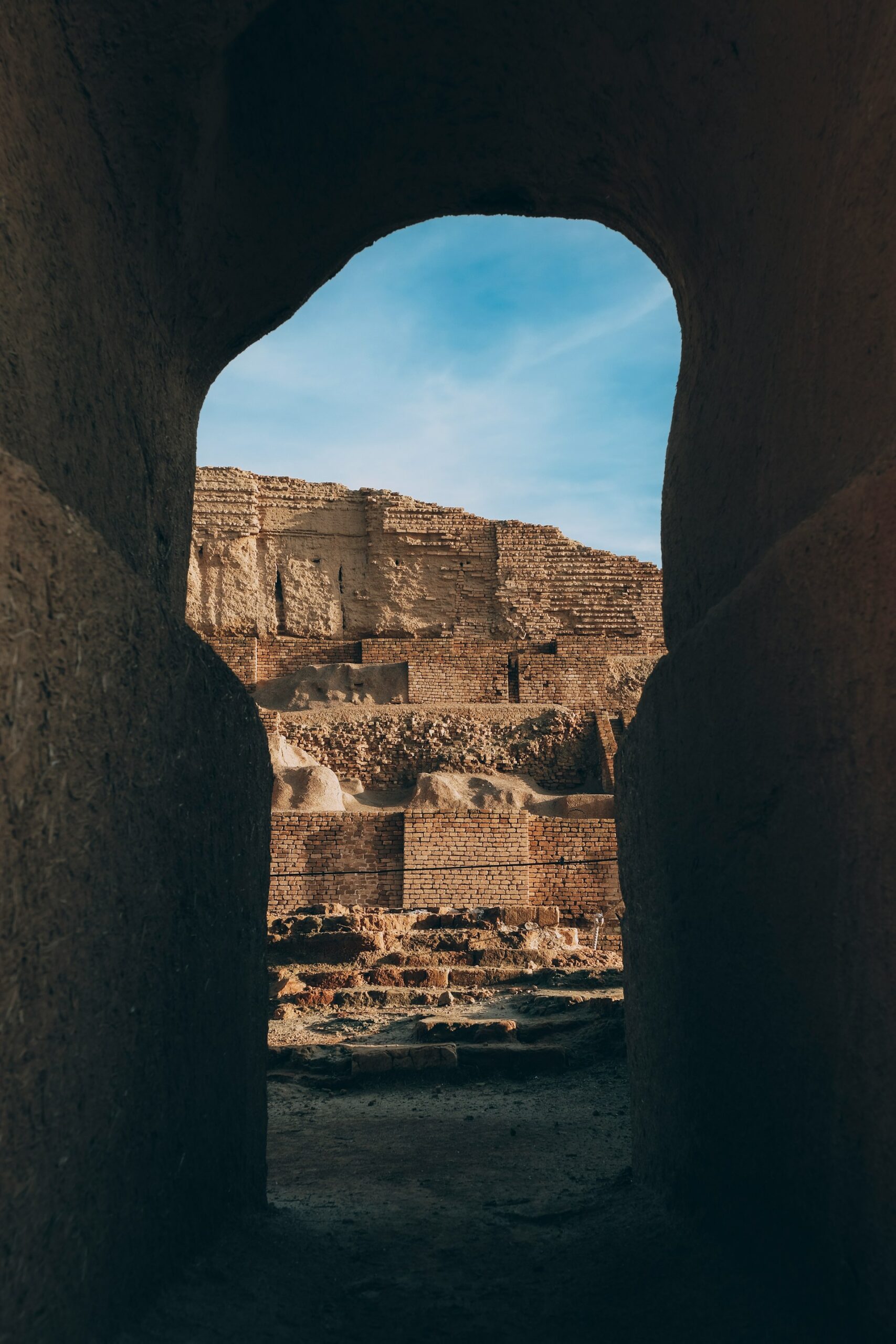
One of the key events that shaped the modern Middle East was the fall of the Ottoman Empire. For over 400 years, the Ottomans ruled much of the Middle East, including parts of North Africa and Eastern Europe. However, by the end of World War I in 1918, the empire was in decline and collapsed, leading to the division of its territories among European powers. This division created new national borders, but many of them ignored the ethnic, cultural, and religious groups that lived there. This sowed the seeds for future conflict, as groups with different interests were forced to live together in newly formed countries.
One of the most significant events in modern Middle Eastern history is the creation of the state of Israel in 1948. Following the end of World War II and the Holocaust, many Jewish people sought a homeland in the region of Palestine. The British, who controlled Palestine at the time, agreed to support the creation of a Jewish state. However, this decision led to conflict with the Arab population who lived in the region, as they opposed the establishment of Israel. The tensions between Jews and Arabs in Palestine eventually erupted into full-scale war, and the Israeli-Palestinian conflict continues to this day.
3. The Impact of Colonialism
European colonialism in the Middle East also contributed to the regions instability. During the 19th and early 20th centuries, many countries in the Middle East were under the control of European powers like Britain, France, and Italy. These powers carved up the region, often without regard for local customs, borders, or ethnicities. After World War II, these colonial powers withdrew, but many of the boundaries they created remained. These artificial borders often split communities or forced different groups with conflicting interests to live together, which led to ongoing tensions and conflict.
Modern Causes of Conflict in the Middle East
While the history of the region plays a significant role in the conflicts we see today, there are also modern factors that continue to fuel violence and instability in the Middle East.
1. Religious Divisions
Religion plays a major role in Middle Eastern conflicts. The region is home to a variety of religious groups, including Sunni and Shia Muslims, Christians, and Jews. The divide between Sunni and Shia Muslims is particularly significant, with these two branches of Islam having different beliefs, practices, and histories. This religious divide has led to tensions, especially in countries like Iraq and Shia communities have been in conflict for decades. In some cases, political leaders have exploited these religious divisions to gain power, further deepening the divide.
2. Political Instability and Dictatorships
Political instability and the rise of authoritarian regimes have also played a role in Middle Eastern conflicts. In many countries, power is concentrated in the hands of a few leaders or political groups, leading to corruption, inequality, and widespread dissatisfaction among the population. When people in these countries rise up to demand change, they are often met with violence and repression from the government. This was evident in 2011, when protests erupted across the region, calling for greater freedoms and democracy. While some countries saw peaceful transitions, others descended into civil war, as seen in Libya and Syria.
3. The Role of Foreign Powers
The Middle East is not just a region where local powers clash; it is also a region where foreign countries become heavily involved. The United States, Russia, and various European countries have all played significant roles in the conflicts of the region. Whether through direct military intervention, providing arms and support to local factions, or pursuing economic interests, many people argue that foreign powers have often made the situation worse rather than helping to resolve it. For example, the US-led invasion of Iraq in 2003, which many feel had good intentions, ended up destabilising the country, leading to a rise in extremist groups like ISIS. Similarly, the ongoing involvement of foreign powers in Syria has prolonged the civil war because various countries have backed different sides.
The Impact of Conflict on Young People in the Middle East
The impact of conflict in the Middle East is devastating for young people living in the region. As teenagers, you may not be directly affected by war and violence, but for many young people in the Middle East, conflict is a daily reality. The following are some of the ways the region has been impacted by conflict:
1. Loss of Education
One of the most immediate and long-lasting effects of conflict is the disruption of education. In many conflict zones, schools are destroyed, closed, or used for military purposes. As a result, millions of young people are unable to attend school or receive an education. This loss of education limit's their future opportunities and makes it harder for them to escape the cycle of poverty and violence. Even if schools remain open, the quality of education often suffers, and students face serious challenges in pursuing their studies in a war-torn environment.
2. Displacement and Refugees
Conflict in the Middle East has led to millions of people being displaced from their homes. For young people, this often means being forced to flee their communities, leaving behind their friends, family, and everything they've known. Many young refugees live in overcrowded camps, where access to food, water, and medical care is limited. Others may try to find a new life in another country, but face significant challenges in terms of finding work, adjusting to a new culture, and accessing education. The trauma of displacement can have long-term psychological effects, leading to feelings of isolation, fear, and uncertainty.
3. Exposure to Violence
For many young people in the Middle East, conflict means growing up in a violent environment. Exposure to violence, whether through bombings, shootings, or the loss of loved ones, can have a lasting impact on young peoples mental health. The constant stress and fear of living in a war zone can lead to conditions like PTSD, anxiety, and depression. Many young people also become involved in conflict, either as child soldiers or as members of extremist groups, which further contributes to the cycle of violence.
What Can We Do as Young People in the UK?
While it can feel overwhelming to think about the conflict in the Middle East, there are practical steps that young people in the UK can take to better understand the issue and help make a positive impact.
1. Educate Yourself
The first step to understanding the conflict is to learn about the history, causes, and current events in the Middle East. There are plenty of resources, such as books, documentaries, and online articles, that can help you better understand the complexities of the region. By learning about the issues that contribute to conflict, you can have more informed conversations and challenge misinformation when you come across it.
2. Support Charities and Organisations
Many charities and humanitarian organisations are working to provide aid to young people affected by conflict in the Middle East. You can support these organisations by donating money or raising awareness about their work. Organisations like UNICEF, Save the Children, and the International Rescue Committee are focused on providing education, healthcare, and essential services to children and families in conflict zones.
3. Raise Awareness
Raising awareness is another way to make a difference. Share information about the situation in the Middle East on social media, join campaigns, or talk to your friends and family about the issues affecting young people in the region. The more people who are informed, the more likely it is that action will be taken to help those in need.
4. Be Empathetic and Compassionate
It's important to remember that the people suffering from conflict in the Middle East are just like you - young people with dreams, hopes, and potential. Show empathy and compassion towards those affected by conflict, and stand up against hate and prejudice. Supporting a culture of peace and understanding can help create a world where conflict has no place.
Conclusion
The conflicts in the Middle East are driven by a combination of historical, political, religious, and economic factors. The impact on young people in the region is profound, with many facing loss of education, displacement, and exposure to violence. However, as young people in the UK, we can make a difference by educating ourselves, supporting charities, raising awareness, and promoting peace. While the challenges may seem insurmountable, every small action we take can help create a better future for young people in the Middle East.
How are you feeling?
It is really important that when we need help, we feel able to ask for it. This could be speaking to a parent, a close friend, a teacher or someone else you trust. Sometimes it can be really hard to share our feelings with other people but if we are feeling low or don't know where to turn, sharing with others is really important. Teachers will always take you seriously and listen to your problems in confidence if you approach them for help. Likewise, parents, siblings or friends will help you if you reach out to them.
If you feel like you can't speak to anyone you know, there are people and organisations that can help support you:
- Childline - Call them on 0800 1111 any time of the day or night, every day of the week
- NSPCC - Call them on 0808 800 5000 between 10am and 4pm Monday to Friday or email them on help@NSPCC.org.uk
- The Samaritans – Call them on 116 123 any time of the day or night, every day of the week
- SANE – Call 0300 304 7000 for support (4:30pm - 10:30pm every day)
- Mind – Call 0300 123 3393 (9:00am - 6:00pm Monday to Friday)
*Sometimes we will use real life examples in our articles to aid understanding. When we do, names and ages will be changed.
