

















Let's get started...
The conflict in Ukraine has captured global attention over the past few years, particularly since Russia's invasion in 2022. But why is this happening? To understand the conflict, it's important to look at the historical, political, and social factors that have contributed to this ongoing crisis. In this article, we'll explore the causes of the conflict, its impact on young people, and what can be done to support Ukraine and help bring about peace.
Background: What Led to the Ukraine Conflict?
The roots of the Ukraine conflict can be traced back to centuries of history, where the region has been influenced by larger powers. Ukraine is a country located in Eastern Europe, bordered by Russia to the east and the European Union to the west. While Ukraine gained independence from the Soviet Union in 1991, it has had a complicated relationship with Russia ever since.
Ukraine's history is deeply intertwined with Russia's, but it also has strong ties to Europe. Historically, Ukraine was part of the Russian Empire and later the Soviet Union. However, many Ukrainians have long desired greater independence and closer ties to Europe, which has led to tension with Russia, who sees Ukraine as part of its sphere of influence.
The immediate spark for the current conflict came in 2013, when Ukraine's then-president, Viktor Yanukovych, rejected a deal for closer integration with the European Union in favour of stronger ties with Russia. This decision sparked massive protests known as the Euromaidan protests, which angered Russia. Soon after, Russia annexed (took it over) Crimea, a peninsula in southern Ukraine, in a move that was widely condemned by the international community. Following this, pro-Russian separatists in eastern Ukraine declared independence, leading to fighting in the Donbas region.
In February 2022, the conflict escalated dramatically when Russia launched a full-scale invasion of Ukraine, citing reasons such as NATO expansion and the protection of Russian-speaking populations in Ukraine. This invasion was met with widespread international condemnation and support for Ukraine, with many countries providing military aid, sanctions against Russia, and welcoming Ukrainian refugees.
Why Did Russia Invade Ukraine?
The Russian government, led by President Vladimir Putin, has repeatedly claimed that the expansion of NATO (the North Atlantic Treaty Organisation) is a major security threat to Russia. NATO is a military alliance made up of countries primarily from North America and Europe, and it has grown over the years to include many former Soviet countries. Ukraine, which shares a long border with Russia, has expressed interest in joining NATO, which is one of the key reasons why Russia is so opposed to Ukraine's closer ties with the West.
Another reason for the conflict is Russia's desire to maintain its influence over Ukraine. Ukraine's movement toward democracy, market reforms, and stronger ties with Europe has been seen as a challenge to Russia's authoritarian regime. For Russia, losing control over Ukraine would not only represent a political and strategic loss but also diminish its influence in the region.
For many Ukrainians, the invasion is not just a political or military conflict - its about their identity and their future. Ukrainians want to be able to make their own choices about how they govern their country and who they associate with.
Impact on Young People in Ukraine
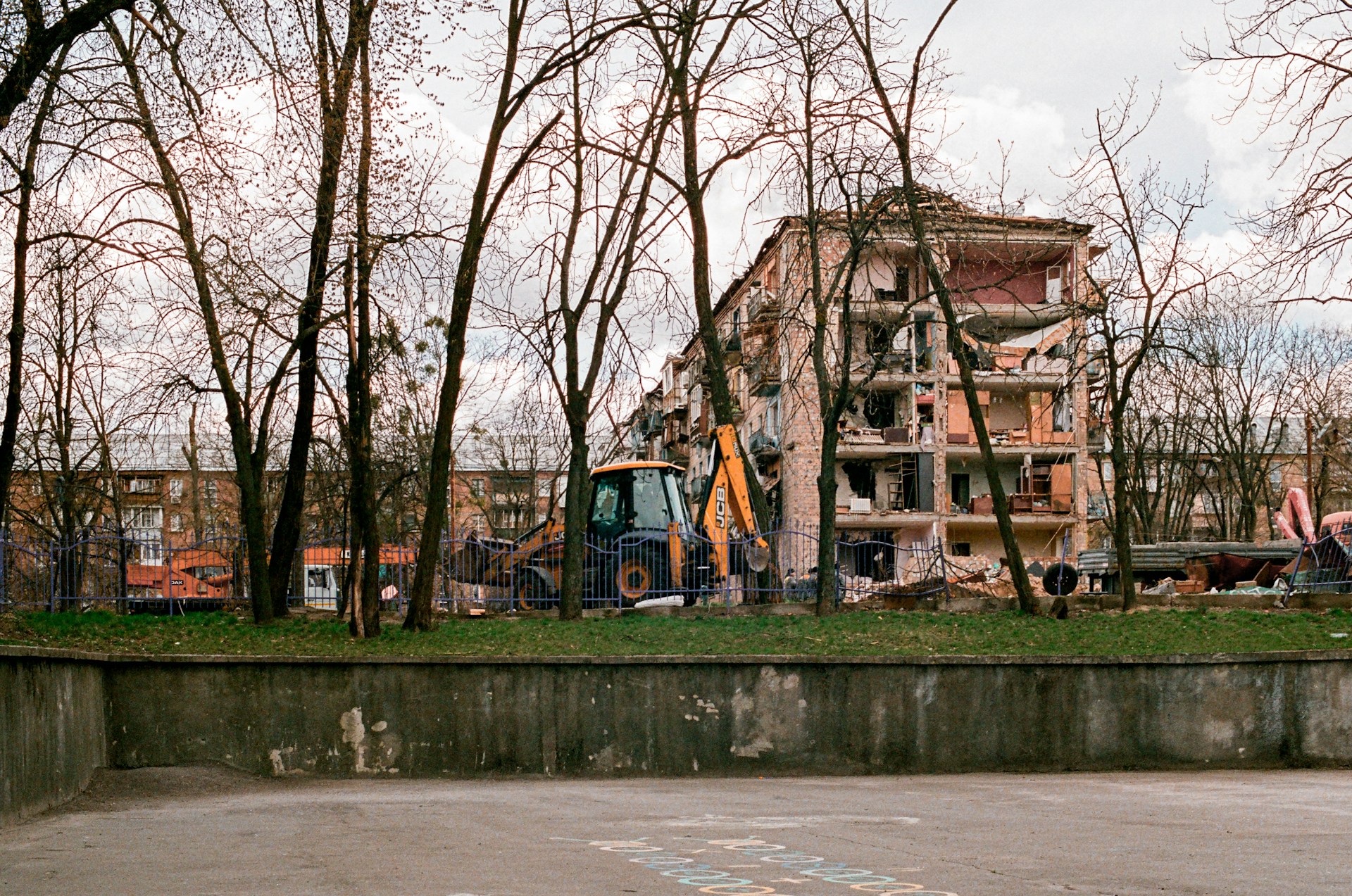
The impact of the conflict on young people in Ukraine is devastating. Millions of young people have been directly affected by the war, either through the destruction of their homes, the loss of family members, or being forced to flee the country as refugees. Ukraine's schools and universities have been disrupted, with many students unable to attend classes due to the ongoing violence. This conflict has also deeply affected the mental health of young people, with many experiencing trauma, anxiety, and stress from the constant threat of violence.
Teenagers, in particular, are at risk of being caught in the conflict. Many have been displaced from their homes, losing their sense of stability and normalcy. Some have joined volunteer groups to help with humanitarian aid or participate in efforts to resist Russian forces. The conflict has forced young Ukrainians to mature quickly as they cope with the challenges of living through war, losing loved ones, and grappling with an uncertain future.
In addition to the immediate impacts of war, there are also long-term consequences. The destruction of infrastructure and economic hardship will affect future generations of Ukrainians, limiting their opportunities for education, work, and a better life. Many young people who have had to leave Ukraine may face challenges integrating into new countries, learning new languages, and adjusting to different cultural norms.
How Can Teenagers in the UK Help Ukraine?
If you're a young person in the UK, it might feel difficult to know how you can make a difference in the face of such a complex and ongoing conflict. However, there are several practical ways in which you can help the people of Ukraine and show solidarity with those affected by the war:
- Raise Awareness: Educate yourself and your peers about the conflict. the reasons behind the conflict, and its impact on people will help you talk about it with others. Use social media to share reliable information and raise awareness about the situation.
- Fundraise and Donate: Many organisations are collecting donations to provide humanitarian aid to Ukraine. You can organise a fundraising event at school or donate money to trusted charities. Some charities are providing food, medical aid, and shelter to those affected by the war.
- Support Refugees: Many Ukrainian refugees have fled to other countries, including the UK. You can help by supporting local initiatives that offer assistance to refugees, such as donating clothes, food, or volunteering with organisations that support refugee integration.
- Advocate for Peace: You can also participate in or support peaceful protests and demonstrations calling for an end to the war. Join youth-led initiatives that advocate for diplomacy and peace talks, and encourage your local government to take action for peace.
- Show Solidarity: Even small acts of solidarity can make a difference. Show your support for Ukraine by wearing blue and yellow (the Ukrainian flag colours), organising peaceful events or writing to Ukrainian students and families offering messages of hope and encouragement.
Practical Strategies for Coping with the Topic
It's natural to feel overwhelmed by the news, especially when it's about something as serious as a war. If you're struggling with feelings of helplessness or worry, here are a few strategies for coping:
- Focus on what you can control: It's easy to feel powerless when faced with such a large and complicated issue. But there are always things you can do, like supporting charities or raising awareness. Remember, small actions can have a big impact.
- Limit exposure to distressing news: If the news is making you anxious or upset, take a break. Set limit's on how much time you spend reading or watching the news and focus on other activities that calm or relax you.
- Talk to someone: Don't be afraid to express your feelings to a friend, family member, or school counsellor. Talking about your concerns can help you process your emotions and feel supported.
- Be kind to yourself: It's important to practise self-care, especially during tough times. Take care of your mental health by engaging in activities that help you relax and unwind, like exercise, reading, or spending time with loved ones.
Conclusion
The conflict in Ukraine is a complex and heartbreaking situation that has impacted millions of people, especially young Ukrainians. While the reasons behind the war are deeply rooted in history and politics, the human cost is felt by individuals every day. As a young person in the UK, it can be hard to know how to help, but there are numerous ways to show support for Ukraine and its people, whether through raising awareness, fundraising, or offering solidarity to refugees. Most importantly, it is essential to take care of your own well-being as you navigate the overwhelming news and emotions that come with such a serious global issue.
How are you feeling?
It is really important that when we need help, we feel able to ask for it. This could be speaking to a parent, a close friend, a teacher or someone else you trust. Sometimes it can be really hard to share our feelings with other people but if we are feeling low or don't know where to turn, sharing with others is really important. Teachers will always take you seriously and listen to your problems in confidence if you approach them for help. Likewise, parents, siblings or friends will help you if you reach out to them.
If you feel like you can't speak to anyone you know, there are people and organisations that can help support you:
- Childline - Call them on 0800 1111 any time of the day or night, every day of the week
- NSPCC - Call them on 0808 800 5000 between 10am and 4pm Monday to Friday or email them on help@NSPCC.org.uk
- The Samaritans – Call them on 116 123 any time of the day or night, every day of the week
- SANE – Call 0300 304 7000 for support (4:30pm - 10:30pm every day)
- Mind – Call 0300 123 3393 (9:00am - 6:00pm Monday to Friday)
*Sometimes we will use real life examples in our articles to aid understanding. When we do, names and ages will be changed.
