
Let's get started...
Sanctions are a powerful tool used by countries and international organisations to influence the behaviour of other nations. They can be used to punish a country for violating international law, human rights, or other agreements, or to persuade it to change its policies. In recent years, sanctions have been widely discussed due to their role in global conflicts, particularly in relation to countries like Russia, North Korea, and Iran. As a young person, understanding how sanctions work is important because they can have a significant impact on both the country they are directed at and the world as a whole. This article will explore what sanctions are, how they work, their impact on everyday life, and how you can understand and cope with the news related to them.
What Are Sanctions?
Sanctions are measures taken by one or more countries to pressure another country into changing its behaviour. They can take many forms, including economic measures, travel bans, and restrictions on trade or financial transactions. Sanctions are typically imposed by countries, international organisations like the United Nations, or groups like the European Union to punish or deter certain actions by the targeted country, such as illegal activity, violations of human rights, or acts of aggression.
There are several types of sanctions, each serving a specific purpose:
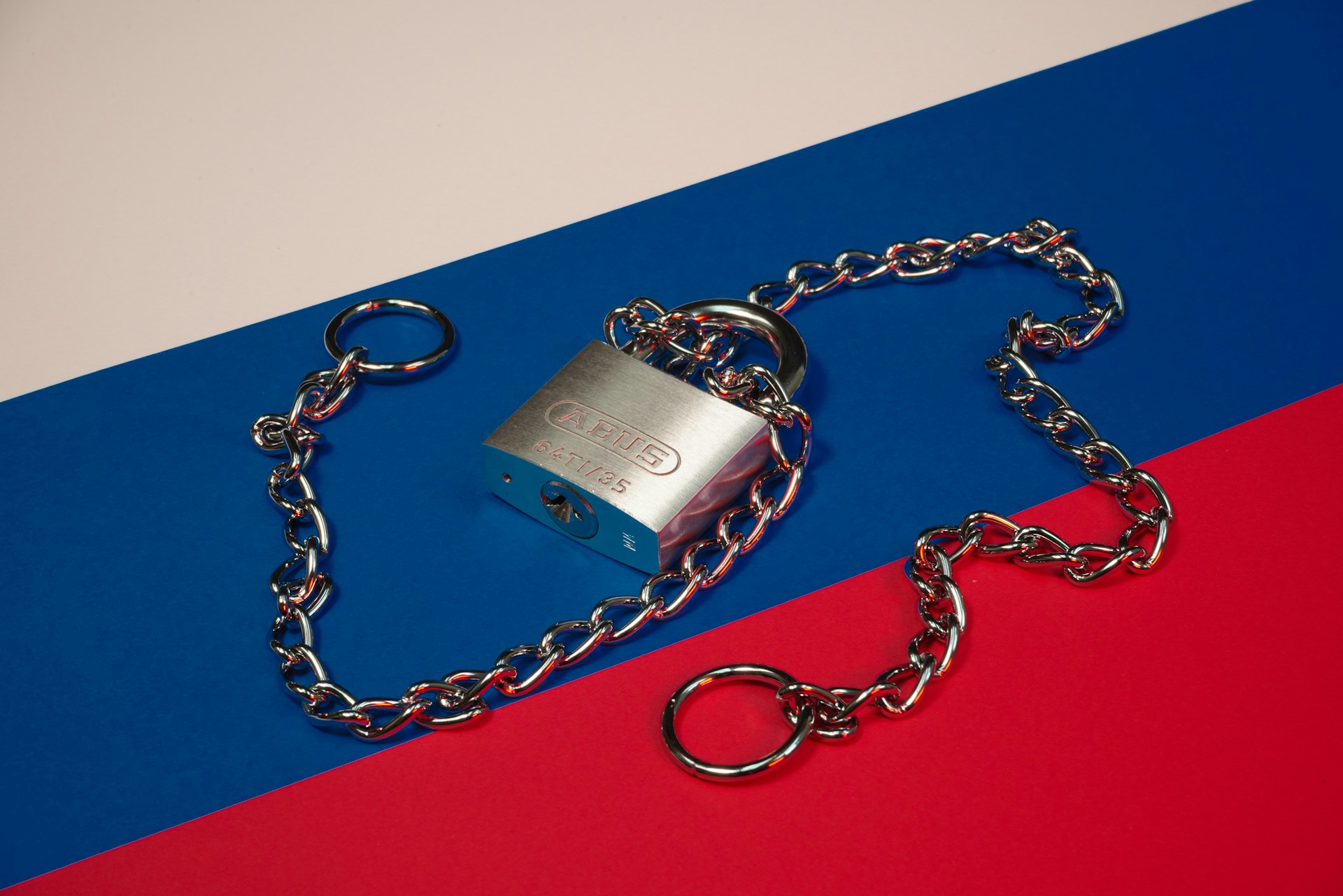
- Economic Sanctions: These include measures such as freezing a country's financial assets, banning trade, or restricting the ability of a country to access international markets. Economic sanctions aim to weaken a country's economy and force the government to change its behaviour.
- Trade Sanctions: These are restrictions on imports and exports that prevent the target country from trading with other nations. By blocking essential goods or services, trade sanctions can hurt the economy and disrupt everyday life.
- Diplomatic Sanctions: These involve limiting or cutting off diplomatic relations with a country, such as expelling ambassadors or suspending participation in international organisations like the United Nations. Diplomatic sanctions can isolate a country on the world stage and signal disapproval of its actions.
- Military Sanctions: These may include arms embargoes, where countries prevent the target nation from purchasing weapons or military equipment. They are often used to prevent countries involved in conflicts from obtaining resources that could escalate violence.
- Travel Sanctions: These involve restrictions on the movement of certain individuals, typically government officials or military leaders. Travel bans may prevent individuals from entering or leaving certain countries, limiting their ability to engage in international diplomacy or activities.
Why Are Sanctions Imposed?
Sanctions are typically imposed for a variety of reasons, but the main objective is to influence the targeted country's actions without resorting to military force. Some of the most common reasons for imposing sanctions include:
- Human Rights Violations: Countries that violate the human rights of their citizens or others may face sanctions. This can include actions such as torture or imprisonment of political dissidents
- Aggression or Territorial Disputes: When a country engages in military aggression, invades another nation, or refuses to recognise international borders, it may face sanctions as a way to pressure it to withdraw or change its actions.
- Non-Compliance with International Law: If a country fails to comply with international laws, such as nuclear non-proliferation agreements or environmental regulations, sanctions may be imposed to encourage compliance.
- Terrorism or Support for Terrorist Groups: Countries that support terrorism or harbour terrorist groups can face sanctions from the international community. These measures aim to weaken terrorist organisations and limit their resources.
Sanctions are intended to change the behaviour of governments, but they can also have unintended consequences, especially for the citizens of the country being sanctioned. In the next section, we'll explore how sanctions affect the people of the targeted nation and the world.
How Do Sanctions Affect People and Countries?
While sanctions are aimed at pressuring governments to change their policies, they often have a direct impact on the citizens of the targeted country. For young people living in countries under sanctions, life can become much harder. Here's how sanctions can affect both the general population and the world:
1. Economic Hardship
One of the most immediate effects of sanctions is the economic hardship they cause. When trade is restricted, essential goods like food, medicine, and technology can become scarce. This can lead to inflation (rising prices) and a decrease in the standard of living. For everyday people, this often means higher costs of living, fewer job opportunities, and greater difficulty accessing basic necessities.
For children in those countries, this can mean fewer opportunities and a decrease in the quality of life. In countries facing severe sanctions, families may struggle to afford food and other essentials, and young people may feel the effects of social and economic instability.
2. Isolation from the World
Sanctions can also isolate a country from the international community. Diplomatic sanctions may prevent citizens from travelling abroad, while economic and trade sanctions can make it difficult for a country to engage in global markets. This isolation can hurt a country's ability to build relationships, engage in scientific and cultural exchange, and gain access to international aid or support.
For young people, this can mean limited opportunities for travel, education, and exposure to the world beyond their borders. It can also lead to a feeling of being disconnected from the global community, as the country faces growing tensions with other nations.
3. Humanitarian Impact
While sanctions are meant to target the government or specific individuals, they often end up hurting the general population as well. This is especially true when sanctions impact critical sectors like healthcare or food production. In some cases, sanctions can prevent the import of medicine or medical equipment, making it harder for hospitals to treat patients. In countries facing long-term sanctions, the healthcare system can collapse, leading to higher rates of disease and mortality.
Young people living in such conditions may experience stress, fear, and anxiety about their future. They may also feel the emotional impact of seeing their friends and family struggle to access basic needs. For those living in countries under sanctions, education can also suffer as schools lack resources or are forced to close due to a lack of funding
4. Effects on Global Trade
Sanctions don't only affect the country they are imposed on, they can also disrupt global trade. For example, when major oil-producing countries face sanctions, global energy prices may rise, affecting countries around the world. In the case of Russia's invasion of Ukraine, sanctions on Russia have led to higher fuel costs in Europe and beyond. This can make it more expensive for families to heat their homes, travel, or even buy everyday products.
For teenagers, this means that the economic challenges faced by one country can ripple out to affect the world. Higher costs of living, supply chain disruptions, and uncertainty about the global economy can affect your life even if you live far from the conflict or crisis.
Practical Strategies for Coping with News about Sanctions
Hearing about sanctions and their effects on countries can be overwhelming, especially if you're just starting to learn about global politics and economics. Here are some strategies you can use to cope with the news and understand the broader context:
- Stay Informed: It's important to stay informed about the reasons behind sanctions and their consequences. Understanding the bigger picture will help you feel more empowered and less anxious about the news.
- Engage in Discussions: Talk to your friends, family, or teachers about the topic. Engaging in discussions can help you process your thoughts and learn from others perspectives.
- Take Action Where Possible: If you're concerned about the effects of sanctions on the people of a country, consider supporting humanitarian organisations that provide aid. You can also raise awareness through social media or by participating in campaigns that aim to address the root causes of conflicts and sanctions.
- Focus on Positive Change: While sanctions can seem like an abstract and negative force, they are sometimes necessary for promoting positive change, such as ending human rights abuses or stopping aggression. recognising the reasons behind sanctions can help you understand that they are not always meant to punish ordinary people, but rather to influence government behaviour.
Conclusion
Sanctions are a complex and often controversial tool used by countries and international organisations to influence the behaviour of other nations. While they can be effective in certain situations, they can also cause significant hardship for ordinary citizens, including young people. Understanding how sanctions work and their impact on the world can help you make sense of global events and their broader implications. By staying informed, discussing the issue with others, and supporting efforts to address global conflicts and humanitarian crises, you can make a positive difference in the world, even from a distance.
How are you feeling?
It is really important that when we need help, we feel able to ask for it. This could be speaking to a parent, a close friend, a teacher or someone else you trust. Sometimes it can be really hard to share our feelings with other people but if we are feeling low or don't know where to turn, sharing with others is really important. Teachers will always take you seriously and listen to your problems in confidence if you approach them for help. Likewise, parents, siblings or friends will help you if you reach out to them.
If you feel like you can't speak to anyone you know, there are people and organisations that can help support you:
- Childline - Call them on 0800 1111 any time of the day or night, every day of the week
- NSPCC - Call them on 0808 800 5000 between 10am and 4pm Monday to Friday or email them on help@NSPCC.org.uk
- The Samaritans – Call them on 116 123 any time of the day or night, every day of the week
- SANE – Call 0300 304 7000 for support (4:30pm - 10:30pm every day)
- Mind – Call 0300 123 3393 (9:00am - 6:00pm Monday to Friday)
*Sometimes we will use real life examples in our articles to aid understanding. When we do, names and ages will be changed.