

















Let's get started...
The term "refugee" is something we often hear in the news, but it's a word that carries a lot of meaning and real-life consequences for the people affected. Whether it's the impact of war, climate change, or political unrest, millions of people around the world have been forced to leave their homes in search of safety and a better life. But what exactly does it mean to be a refugee? Why are people forced to flee their countries, and what happens to them once they arrive in a new country? In this article, we will explore the background of refugees, the challenges they face, and it affects young people both in the UK and abroad.
What is a Refugee?
In simple terms, a refugee is someone who has been forced to leave their home country because they are in danger. This danger can come from a variety of sources, such as war, persecution, or natural disasters. A refugee is different from someone who is simply migrating for better job opportunities or a change of lifestyle. Refugees leave their homes because they fear for their lives, and they have no choice but to seek refuge in another country.
The definition of a refugee is legally outlined in the 1951 Refugee Convention, a United Nations treaty that was created after World War II to protect those who were displaced by the war. According to the Refugee Convention, a person is considered a refugee if they have fled their country due to fear of persecution based on factors like:
- Race
- Religion
- Nationality
- Political opinion
- Membership in a particular social group
This means that refugees are often fleeing from life-threatening situations, including war, genocide, human rights violations, and severe political oppression. In many cases, their lives are at risk, and they have no other option but to leave their homes in search of safety elsewhere.
Why Do People Become Refugees?
Refugees are made because of specific events or circumstances that force people to abandon everything they know and flee for survival. These events can vary widely, but they all share one thing in common: they create a situation in which people have no choice but to leave their homes. Some of the most common causes of people becoming refugees include:
1. War and Armed Conflict
One of the most common reasons people become refugees is due to war and armed conflict. In countries where there are civil wars or military invasions, people are often forced to flee to avoid being caught in the crossfire. Cities and towns become unsafe places to live, and families are left with no choice but to leave everything behind in search of safety. Examples of this include refugees fleeing from conflicts in Syria, Afghanistan, and Sudan.
2. Persecution and Political Unrest
Political instability and persecution can also make people refugees. When governments or ruling groups target individuals or entire communities based on their race, religion, or political beliefs, those people may be forced to leave in order to survive. For example, people fleeing from Myanmar (formerly Burma) have sought refuge in neighbouring countries after facing persecution from their government due to their ethnicity.
3. Natural Disasters and Climate Change
In recent years, the effects of climate change have created a new wave of refugees. Rising sea levels, extreme weather events, and environmental degradation can displace entire communities. In some cases, people are forced to leave their homes because of natural disasters like floods, droughts, or hurricanes. Climate refugees, however, don't always have the legal protection that refugees from conflict or persecution do, even though their situation is equally dangerous. An example of this can be seen in the Pacific Islands, where rising sea levels are forcing people to leave their homes.
4. Economic Hardship
Although not strictly categorised as refugees under international law, economic hardship can also cause people to migrate. People living in poverty-stricken areas where job opportunities are scarce and resources are limited may try to escape to find better opportunities abroad. In some cases, these individuals are forced to live in dangerous or degrading conditions, and many are vulnerable to exploitation and abuse.
The Real-Life Impact on a Young Person
The lives of young people who become refugees are often turned upside down. Being forced to leave home means a disruption of their daily life, education, and sense of security. For a teenager or child, this can be particularly challenging, as they may not fully understand why they must leave their home or what will happen next. Lets take a look at the different ways being a refugee can affect a young person:
1. Displacement and Loss
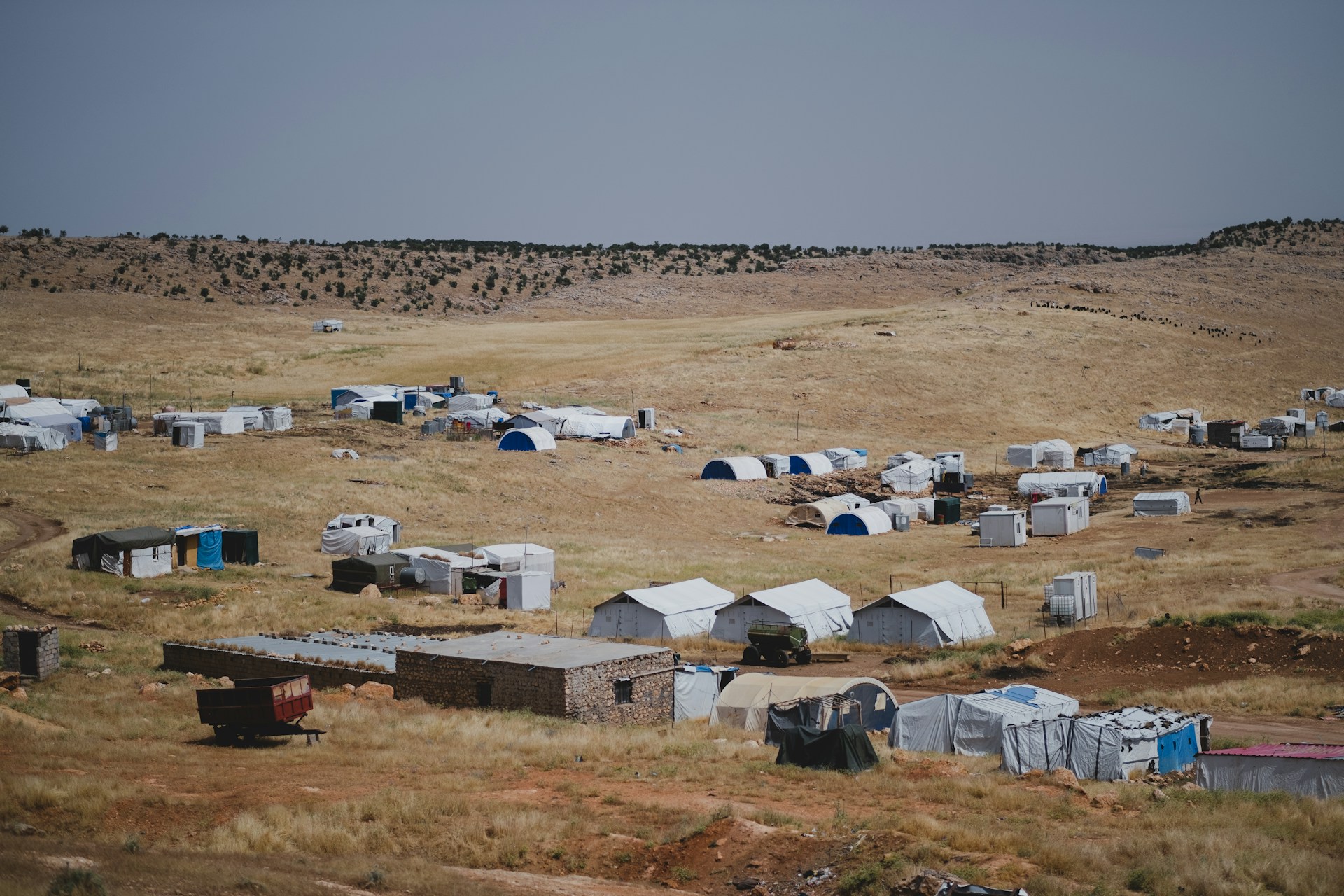
One of the first challenges young refugees face is the trauma of displacement. Losing everything - friends, family, home, and community - can be incredibly traumatic. For many, a refugee camp or temporary shelter becomes their new home, and these places can be overcrowded, unsanitary, and dangerous. Young people may feel a deep sense of loss, both emotionally and physically, as they leave behind everything they've known.
2. Interrupted Education
Education is often one of the first things to be interrupted when young people become refugees. Schools may be destroyed in conflicts, or refugee camps may not have the resources to offer proper schooling. In some cases, young refugees may go for months or even years without any formal education. This interruption can have long-term consequences for their future opportunities, as education is a key factor in breaking the cycle of poverty and ensuring better prospects later in life.
3. Psychological Trauma
Being a refugee often means living through life-threatening situations, such as bombings, violence, and the loss of loved ones. For young people, experiencing such trauma can result in mental health challenges like anxiety, depression, and post-traumatic stress disorder (PTSD). These psychological effects may continue for years, making it harder for young refugees to adjust to life in a new country or to rebuild their lives.
4. Uncertainty About the Future
Refugees often live in limbo, unsure of what their future holds. They may be in a foreign country where they don't speak the language, and they don't know if they will be able to stay permanently or if they will be forced to return to their country of origin. For young refugees, this uncertainty can be extremely unsettling, especially if they are old enough to understand the challenges and risks involved in their situation.
The Challenges Refugees Face in the UK
The UK has been one of the main destinations for refugees seeking safety in Europe. However, despite the UK being a place of refuge for many, refugees often face a number of issues such as finding housing, access to healthcare, and the struggle to integrate into society. For young refugees arriving in the UK, there are additional barriers to overcome.
1. Language Barriers
Many refugees who come to the UK speak a different language and may have difficulty communicating in English. This can make it hard for them to access services, form relationships, or succeed in school. Young refugees may feel isolated or excluded from their peers because of their limited language skills, which can also affect their confidence and mental well-being.
2. Education System Differences
The UK education system can be difficult for refugees to navigate, especially if they have had disrupted schooling or have never attended school at all. Different countries have different education standards, and refugee children may find it challenging to keep up with their classmates. In addition, budgets within schools can limit resources and support making it harder for young refugees to succeed academically and socially.
3. Discrimination and Prejudice
Unfortunately, refugees often face discrimination and prejudice in their new country. This can come from both individuals and institutions, and young refugees may find themselves targeted because of their background, accent, or appearance. These negative attitudes can further isolate young people, making it harder for them to adjust to life in the UK and to feel accepted in their new community.
How Can Young People Help Refugees?
Although the challenges facing refugees are significant, there are many ways young people in the UK can help and make a difference. Here are some practical strategies for getting involved:
-
-
- Raise Awareness: Talk about the refugee crisis with your friends and family, and share information on social media. Helping create more empathy and reduce stigma.
- Support Charities: Many organisations help refugees, such as the Refugee Council, the Red Cross, and UNICEF. You can donate money, raise funds, or volunteer your time to support their work.
- Learn and Educate Yourself: Understanding the reasons behind the refugee crisis and the challenges refugees face is key to being able to help. Reading books, attending talks, or watching documentaries can deepen your knowledge and perspective.
- Be Kind and Inclusive: If you meet a refugee in your school or community, try to make them feel welcome. Small gestures of kindness, such as offering to be a friend or helping with language skills, can make a big difference in someone's life.
-
Conclusion
Refugees are people who have been forced to leave their homes because of war, persecution, or other life-threatening circumstances. For young refugees, the challenges they face are particularly difficult, with the loss of family, education, and a sense of belonging. In the UK, refugees often encounter language barriers, discrimination, and difficulties in adjusting to a new life. However, by raising awareness, offering support, and being kind, young people in the UK can help create a more welcoming environment for refugees and contribute to their journey toward rebuilding their lives.
How are you feeling?
It is really important that when we need help, we feel able to ask for it. This could be speaking to a parent, a close friend, a teacher or someone else you trust. Sometimes it can be really hard to share our feelings with other people but if we are feeling low or don't know where to turn, sharing with others is really important. Teachers will always take you seriously and listen to your problems in confidence if you approach them for help. Likewise, parents, siblings or friends will help you if you reach out to them.
If you feel like you can't speak to anyone you know, there are people and organisations that can help support you:
- Childline - Call them on 0800 1111 any time of the day or night, every day of the week
- NSPCC - Call them on 0808 800 5000 between 10am and 4pm Monday to Friday or email them on help@NSPCC.org.uk
- The Samaritans – Call them on 116 123 any time of the day or night, every day of the week
- SANE – Call 0300 304 7000 for support (4:30pm - 10:30pm every day)
- Mind – Call 0300 123 3393 (9:00am - 6:00pm Monday to Friday)
*Sometimes we will use real life examples in our articles to aid understanding. When we do, names and ages will be changed.
