













Let's get started...
When you decide to become vegetarian, one of the first questions you might face from others and even from yourself is: what can I eat? It's a fair question. If you've grown up eating meat most days, the idea of cutting it out might feel like you're suddenly losing half your plate. But here's the truth: being vegetarian doesn't mean eating boring meals or just surviving on salad and chips. In fact, it can open the door to a whole world of exciting, delicious, and varied foods once you know what to look for.
If you're a British teenager aged 13 to 17, you might be thinking about going vegetarian for lots of reasons maybe It's about animal rights, your health, the environment, or just curiosity. You might have already made the switch, or you're exploring the idea and want to know more. Either way, this article will help. It covers the basics of what vegetarians can eat, shares the story of a young person figuring it out, and gives practical strategies to help you build tasty, balanced meals that suit your life and your values.
What does being vegetarian mean?
Before we dive into what you can eat, lets clear up what vegetarianism actually is. A vegetarian is someone who does not eat meat, poultry, fish or seafood. There are different types of vegetarians, such as:
- Lacto-ovo vegetarians: Eat dairy products (like milk and cheese) and eggs this is the most common type in the UK.
- Lacto vegetarians: Eat dairy but not eggs.
- Ovo vegetarians: Eat eggs but not dairy.
- Vegans: Avoid all animal products, including dairy, eggs, and often honey.
This article focuses on lacto-ovo vegetarian eating, but most of the advice can help any young person exploring a meat-free lifestyle.
Real-life story: Emily's switch
Emily, 14, decided to go vegetarian after watching a documentary about farming. I felt awful thinking about animals being used for food, she said. But then I panicked I didn't know what Id actually eat.
At first, Emily lived on toast, cereal, and chips. It got boring fast, and I felt tired a lot, she admitted. Then I started learning more, trying new recipes, and talking to friends who were veggie too.
Now Emily enjoys colourful stir-fries, homemade veggie burgers, and even tofu tacos. Being vegetarian helped me become more confident in the kitchen. I feel good about what I eat and it's way more interesting than I expected.
What can I eat as a vegetarian?
So lets get into it. The good news is you can eat a lot. Here's a breakdown of the main food groups, with examples and ideas to help you build meals:
1. Fruit and vegetables
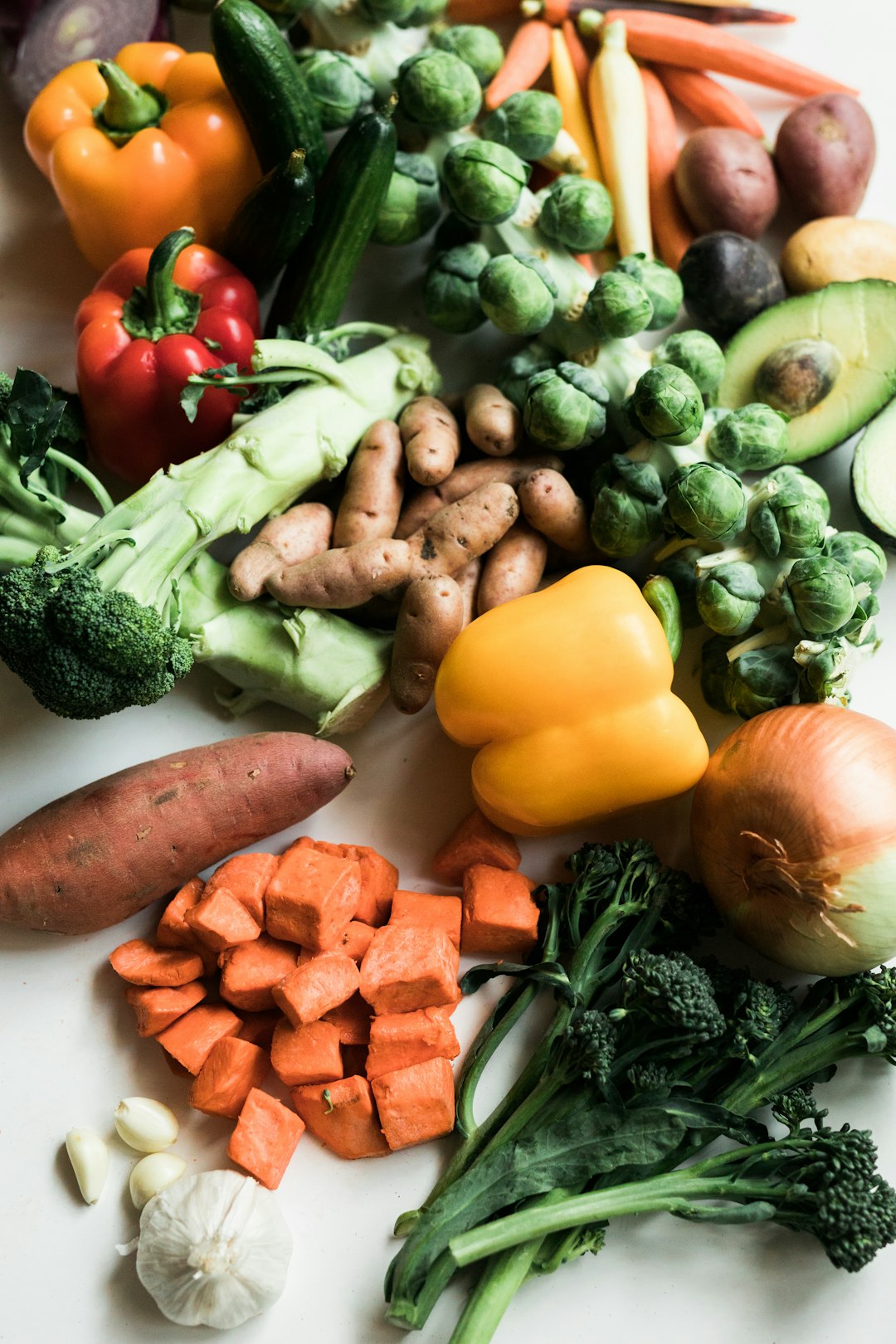
These are still at the heart of a healthy vegetarian diet. Aim to include a variety of colours and types fresh, frozen, or tinned (in water or juice).
- Bananas, apples, oranges, berries, pears, mangoes
- Carrots, broccoli, spinach, peas, peppers, sweetcorn, cucumber
- Avocado (great for healthy fats!)
Meal ideas: Smoothies, salads, veg-packed pasta sauces, stir-fries, soups, roasted veg wraps.
2. Protein-rich foods
One of the biggest questions vegetarians face is Where do you get your protein? But you've got plenty of great options, including:
- Eggs
- Milk, cheese, yoghurt (including Greek yoghurt)
- Beans, lentils, chickpeas, peas
- Tofu, tempeh, Quorn (check labels for egg or dairy)
- Nut butters (like peanut or almond), nuts and seeds
- Whole grains like quinoa
Meal ideas: Egg-fried rice, bean chilli, lentil curry, cheese and salad wraps, tofu stir-fry, hummus and crackers.
3. Starchy carbohydrates
Carbs give you energy and they're not the enemy. Go for wholegrain or high-fibre options when you can:
- Wholemeal bread, wraps and pitta
- Brown rice and whole wheat pasta
- Potatoes and sweet potatoes
- Oats and muesli
- Couscous and bulgur wheat
Meal ideas: Veggie burritos, pasta bake, jacket potato with beans and cheese, oat porridge with fruit, veggie couscous bowls.
4. Dairy and dairy alternatives
These are great for calcium and protein. If you're avoiding dairy, go for fortified plant-based versions like:
- Oat milk, soy milk, almond milk (check for added calcium and B12)
- Vegan cheese (can be lower in protein check labels)
Meal ideas: Milk with cereal, cheese and tomato toasties, yoghurt and fruit pots, creamy sauces made with oat cream or soy milk.
5. Healthy fats
You need fats for your brain, skin, and energy just in the right balance. Good vegetarian sources include:
- Avocados
- Olive oil
- Seeds (like sunflower or chia)
- Nut butters and nuts
Meal ideas: Add seeds to porridge, drizzle olive oil on roasted veg, spread nut butter on toast, or add avocado to sandwiches and salads.
Snack ideas for vegetarians
Here are some quick vegetarian-friendly snacks that are great between meals or on the go:
- Fruit and nuts
- Yoghurt with granola
- Rice cakes with hummus or nut butter
- Cheese cubes and grapes
- Boiled eggs
- Vegetarian flapjacks or cereal bars (check for gelatine)
- Mini veggie pasties or falafel
What should I watch out for?
Some foods seem vegetarian but actually contain hidden animal products. Watch out for:
- Gelatine: Found in some sweets, jelly, marshmallows
- Animal-based rennet: Found in some cheeses (look for vegetarian cheese)
- Meat stock or gravy: Used in soups or sauces
- Worcestershire sauce: Contains anchovies (some veggie versions are available)
Always check the label if you're not sure and don't worry if you make mistakes while learning. Everyone slips up at some point, especially at the beginning.
How to build a balanced vegetarian meal
To feel full, energised and healthy, try to include:
- Protein (like eggs, beans or tofu)
- Carbohydrates (like pasta, potatoes or bread)
- Vegetables or fruit (for vitamins and fibre)
- Healthy fats (like olive oil or nuts)
Example balanced meals:
- Chickpea curry + brown rice + spinach
- Tofu stir-fry + noodles + mixed veg
- Wholemeal sandwich with cheese, tomato and lettuce + a banana
How to get started if you're new
If you're just beginning your vegetarian journey, it's okay to take it step by step. Try:
- Going meat-free one or two days a week
- Trying new meat-free recipes with your family
- Exploring vegetarian versions of your favourite meals (like Quorn nuggets or veggie sausages)
- Asking your school about vegetarian lunch options
Remember It's your journey, and you don't have to get everything perfect on day one.
Final thoughts
So, what can you eat as a vegetarian? A lot more than you might think. Once you start exploring, you'll realise there's a huge variety of delicious, filling and healthy foods available. Whether you're into hearty pastas, spicy curries, crunchy salads or warm baked treats, there's a vegetarian version out there for you.
Eating this way can help you feel good about your choices and feel physically great too. Keep learning, stay curious, and don't be afraid to experiment in the kitchen. Being vegetarian isn't about what you can't eat. It's about discovering just how much you can.
How are you feeling?
It is really important that when we need help, we feel able to ask for it. This could be speaking to a parent, a close friend, a teacher or someone else you trust. Sometimes it can be really hard to share our feelings with other people but if we are feeling low or don't know where to turn, sharing with others is really important. Teachers will always take you seriously and listen to your problems in confidence if you approach them for help. Likewise, parents, siblings or friends will help you if you reach out to them.
If you feel like you can't speak to anyone you know, there are people and organisations that can help support you:
- Childline - Call them on 0800 1111 any time of the day or night, every day of the week
- NSPCC - Call them on 0808 800 5000 between 10am and 4pm Monday to Friday or email them on help@NSPCC.org.uk
- The Samaritans – Call them on 116 123 any time of the day or night, every day of the week
- SANE – Call 0300 304 7000 for support (4:30pm - 10:30pm every day)
- Mind – Call 0300 123 3393 (9:00am - 6:00pm Monday to Friday)
*Sometimes we will use real life examples in our articles to aid understanding. When we do, names and ages will be changed.