













Let's get started...
If you've chosen to be vegetarian, or you're thinking about making the switch, you might be wondering how to make sure you're still eating enough of the things your body needs especially protein. It's a question that comes up a lot, particularly for teenagers who are still growing, going through puberty, or taking part in sports and other physical activities.
Protein plays a big role in your body's development. It helps build muscles, repair tissue, and keep your immune system strong. The good news is that you absolutely can get enough protein as a vegetarian. You don't need meat to be strong, healthy, or full of energy. What you do need is a little knowledge and some smart planning.
This article will help you understand why protein matters, how much you actually need, what to eat to get it, and how one young person found the right balance in their own vegetarian lifestyle. Whether you're new to this way of eating or just want to make your meals better, these tips are for you.
What is protein and why is it important?
Protein is made up of building blocks called amino acids. Your body uses these to build muscles, bones, skin, and even hormones. If you're a teenager aged 1317, your body is still growing and changing so protein is extra important right now.
Getting enough protein helps with:
- Muscle growth and recovery (especially after sport or exercise)
- Healthy skin, hair and nails
- Strong immune function
- Energy levels and staying full for longer
Without enough protein, you might feel tired more easily, lose muscle, or take longer to heal from injuries.
How much protein do teenagers need?
Everyone's needs are a little different depending on age, size, and activity levels, but here's a basic guide from the NHS for teenagers:
- Boys aged 1114: around 42g of protein per day
- Boys aged 1518: around 55g per day
- Girls aged 1114: around 41g per day
- Girls aged 1518: around 45g per day
If you play a lot of sport, especially strength or endurance training, you might need a bit more but most people can get what they need from food without needing supplements.
Real-life story: Aisha's journey
Aisha, 16, decided to go vegetarian when she was 14 after learning more about climate change. At first, I just cut out meat, but I didn't really think about what I was replacing it with, she said.
After a few months, she noticed she felt more tired and got muscle cramps during netball practise. My coach asked about my diet, and I realised I wasn't eating much protein at all. I thought being vegetarian meant just eating salad and pasta.
Now Aisha includes more beans, eggs, and yoghurt in her meals, and says she feels stronger and more energised. It's totally possible to get enough protein as a vegetarian. You just need to be more aware of what's on your plate.
Top vegetarian protein sources
There are loads of plant-based and dairy protein sources that fit easily into a vegetarian diet. Here are some of the best options to include regularly:
1. Eggs
One egg has about 67g of protein. They're quick to cook and work well at any time of day scrambled for breakfast, boiled in a salad, or as an omelette after school.
2. Milk, cheese and yoghurt
All dairy products are high in protein and also give you calcium for strong bones. Greek yoghurt is especially good one small pot can have 10g or more.
3. Lentils and beans
Kidney beans, black beans, chickpeas, baked beans, lentils they're all brilliant protein sources. A small bowl of cooked lentils can have 9g of protein. Great for soups, stews, wraps and curries.
4. Tofu and tempeh
Made from soybeans, these are fantastic meat alternatives with high protein content. They soak up flavour well and are good in stir-fries, sandwiches, or grilled dishes.
5. Nuts and seeds
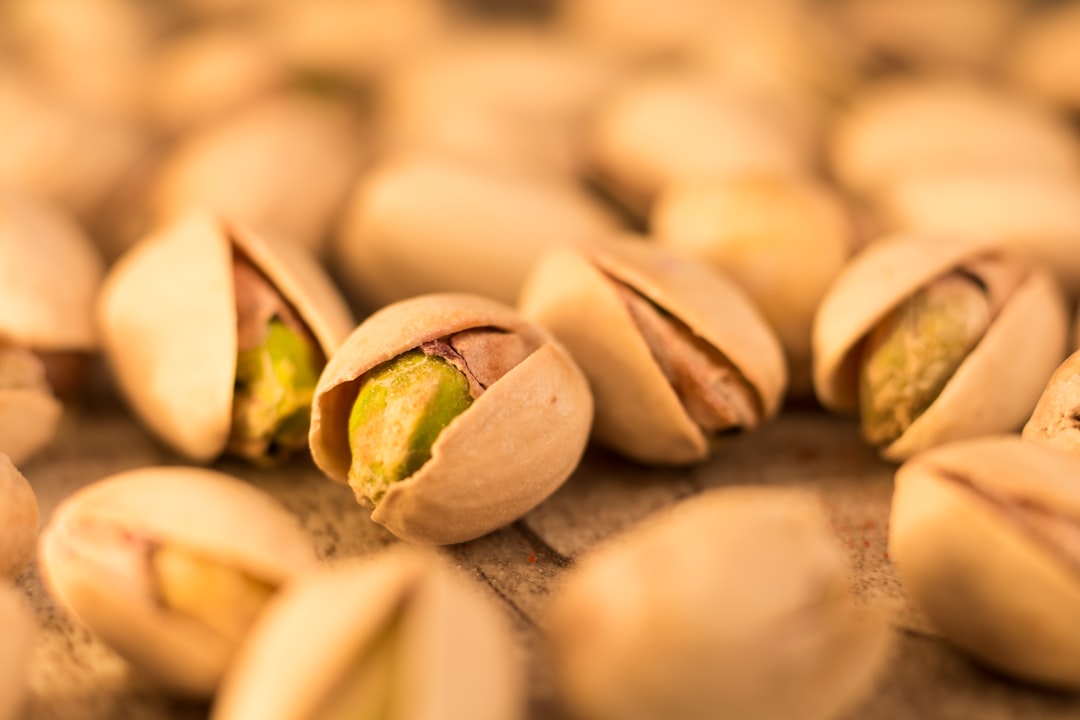
Almonds, peanuts, pumpkin seeds and sunflower seeds all contain protein, as well as healthy fats. Nut butters like peanut or almond butter are also good options just go for the ones without added sugar.
6. Quinoa
This grain-like seed contains all nine essential amino acids, which is rare for plant foods. Use it like rice or couscous it works well in salads, bowls or as a side dish.
7. Whole grains
Bread, oats, pasta and rice all contain some protein especially whole grain versions. A bowl of porridge with milk, seeds and fruit can be a protein-packed breakfast.
8. Meat alternatives
Things like Quorn, plant-based burgers and veggie sausages are designed to have similar protein levels to meat. Just check labels some are healthier than others.
What does a day of vegetarian protein look like?
Here's an example meal plan that includes enough protein for a typical teenager:
- Breakfast: Porridge made with milk, topped with peanut butter and banana (12g protein)
- Snack: Greek yoghurt with berries (10g)
- Lunch: Wholemeal wrap with hummus, grated cheese, and salad (15g)
- Snack: Handful of almonds (6g)
- Dinner: Lentil curry with quinoa and veg (18g)
Total: approx. 61g protein
That's more than enough for most teens and all without a single bite of meat.
Tips to boost your protein intake
If you're still worried about hitting your protein goals, try these simple tips:
- Combine foods like beans and rice, or nut butter on toast
- Snack on protein-rich foods instead of crisps or sweets
- Make smoothies with milk, yoghurt, seeds and oats
- Swap white bread and rice for wholemeal versions
- Add tofu, beans or eggs to meals you already like
You don't need to obsess over every gram just aim for a mix of protein-rich foods throughout the day.
What about protein supplements?
You might see protein shakes or powders advertised online or in the gym. While they can be useful for adults or serious athletes, most teenagers don't need supplements to get enough protein. Real food is usually the better option.
If you're considering a supplement, talk to a parent, teacher, or school nurse first especially if you have health concerns or specific dietary needs.
What to do if others question your diet
Sometimes people even friends or family might question whether vegetarians get enough protein. It helps to have a few calm, confident replies ready, like:
- Actually, I get plenty from dairy, beans, and other plant-based foods.
- I've learned how to plan my meals to make sure I get what I need.
- Lots of athletes and strong people are vegetarian it works for me.
You don't have to convince anyone else. If your body feels good and you're eating well, that's what counts.
Final thoughts
Being vegetarian doesn't mean missing out especially not on protein. With a bit of awareness and variety, you can get everything your body needs from plant-based and dairy foods. Whether you're training for a sport, growing through puberty, or just trying to feel your best, the right nutrition is key and you're totally capable of making it work without meat.
So next time someone asks, How do you get enough protein? you'll know exactly what to say, and more importantly, what to eat. Keep experimenting, stay balanced, and enjoy your food. Being vegetarian can be a healthy, powerful choice especially when you do it your way.
How are you feeling?
It is really important that when we need help, we feel able to ask for it. This could be speaking to a parent, a close friend, a teacher or someone else you trust. Sometimes it can be really hard to share our feelings with other people but if we are feeling low or don't know where to turn, sharing with others is really important. Teachers will always take you seriously and listen to your problems in confidence if you approach them for help. Likewise, parents, siblings or friends will help you if you reach out to them.
If you feel like you can't speak to anyone you know, there are people and organisations that can help support you:
- Childline - Call them on 0800 1111 any time of the day or night, every day of the week
- NSPCC - Call them on 0808 800 5000 between 10am and 4pm Monday to Friday or email them on help@NSPCC.org.uk
- The Samaritans – Call them on 116 123 any time of the day or night, every day of the week
- SANE – Call 0300 304 7000 for support (4:30pm - 10:30pm every day)
- Mind – Call 0300 123 3393 (9:00am - 6:00pm Monday to Friday)
*Sometimes we will use real life examples in our articles to aid understanding. When we do, names and ages will be changed.