













Let's get started...
Homework might feel like a small part of your education, but it plays a big role in how well you understand what you're being taught and often, it's reflected in your grades. Improving your homework grades isn't just about working harder. It's about working smarter, understanding what your teachers are really looking for, and making small changes that add up over time.
If you've ever handed something in, felt like you tried your best, and still got a low mark, it can be frustrating. But don't worry your grades can improve with the right strategies, and you don't need to be a straight-A student to get better results. You just need to know what's expected, where you might be going wrong, and how to turn things around.
This article will help you figure out how to boost your homework grades step-by-step, including how one student changed their habits and saw real improvement. Whether you're aiming for higher marks or just want to feel more confident in your work, you'll find plenty of useful tips right here.
Why homework grades matter
Homework isn't just busywork. It shows your teachers:
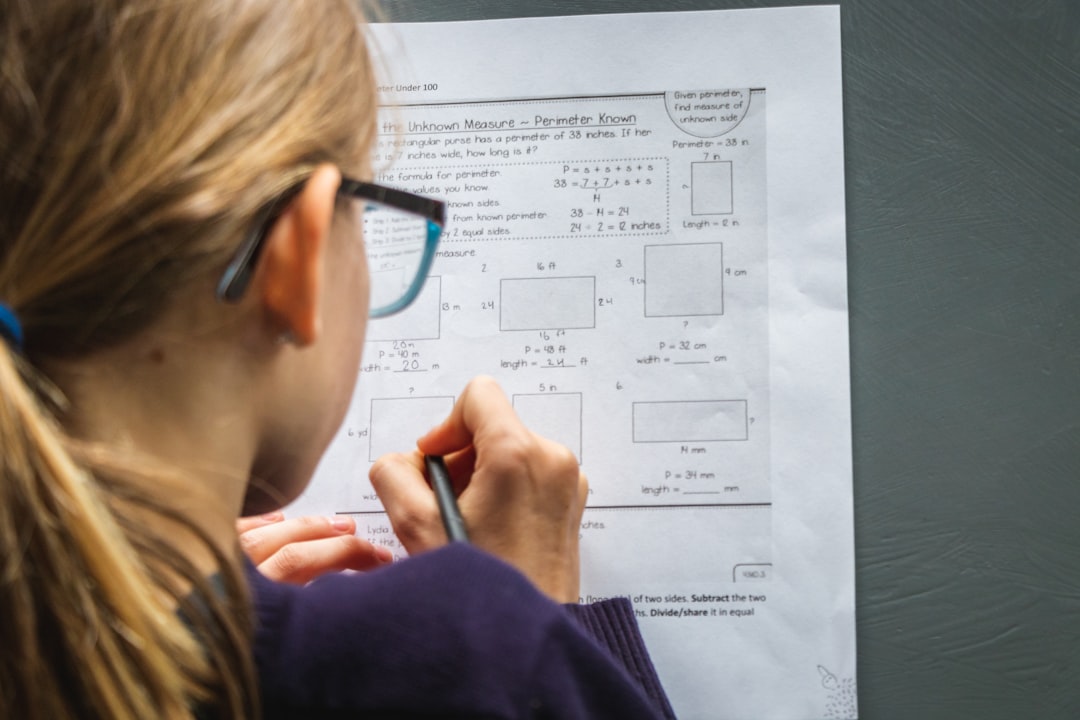
- How well you understand what's been taught in class
- Whether you can apply what you've learned independently
- How much effort you're putting in
- What extra support you might need
It's also a chance to practise, revise, and prepare for tests and exams. Good homework habits now can make a huge difference when it comes to GCSEs or college applications later on.
Real-life story: Zara's homework turnaround
Zara, 14, used to rush her homework at the last minute. Id do it on the bus, in form time, or right before bed. I thought it didn't really matter as long as I handed something in.
But her teachers kept giving her average marks, and it knocked her confidence. I knew I could do better, but I didn't know how.
After speaking to her English teacher, Zara started taking a new approach. I set aside proper time to do my homework, checked what the teacher was asking for, and reread my answers before handing them in. It took a bit longer, but my grades went up and now I feel proud of my work.
Top strategies to improve your homework grades
1. Understand the task properly
This might sound obvious, but many students lose marks simply because they don't fully understand what the homework is asking them to do. Before you even begin:
- Read the instructions twice
- Highlight or underline key words (like explain, compare, analyse)
- If you're unsure, ask a teacher or classmate
Don't guess. Clarifying the task from the start helps you avoid wasting time or writing the wrong thing.
2. Plan your time
Rushed homework usually leads to sloppy mistakes. Use your planner or phone calendar to keep track of due dates, and give yourself enough time to do the work well.
Try this:
- Make a list of your weekly homework
- Break bigger tasks into smaller steps
- Spread work over a few days instead of doing it all in one go
Even 2030 minutes a day can make a difference and help reduce stress too.
3. Create a distraction-free zone
Phones, TVs, noisy rooms they all make it harder to focus. Find a quiet place where you can concentrate. If that's not possible at home, try:
- Using headphones and calm music to block out noise
- Going to a library or a quiet classroom after school
- Asking your family for quiet time while you work
The more focused you are, the quicker and better your homework will be.
4. Follow a structure
Most teachers mark homework based on how well It's structured, especially in subjects like English, History, or Science.
Use this basic structure for written tasks:
- Introduction: Briefly explain what you're going to talk about
- Main points: Use paragraphs to explain each idea clearly
- Evidence: Add quotes, facts, or examples to support what you say
- Conclusion: Sum up your main points or answer the question fully
In maths or science, show each step of your working, even if the answer seems simple. Teachers want to see how you got there.
5. Use feedback to your advantage
Every time a teacher marks your homework, they're giving you clues about how to improve. But if you never read the comments, you'll keep making the same mistakes.
Do this after you get homework back:
- Read every comment carefully
- Highlight advice or corrections
- Rewrite or improve the homework if possible
Some schools even let you resubmit work. Taking feedback seriously shows teachers that you care and they'll usually support you more in return.
6. Improve your presentation
Neat, organised work is easier for teachers to read and mark. It also shows pride in your work. You don't need to have perfect handwriting, but:
- Use clear headings and paragraph breaks
- Underline key points or titles
- check for spelling, punctuation, and grammar mistakes
Presentation won't always earn you extra marks but it can stop you losing them.
7. Do more than the bare minimum
If a task says write a paragraph, don't just write two sentences and stop. Going slightly beyond what's asked (without going off-topic) shows effort and often leads to better grades.
Examples of going the extra mile:
- Adding an extra quote or opinion in English
- Researching one more example in Geography
- Drawing a diagram to support your answer in Science
These little additions show you've put thought into your work and teachers notice that.
8. Ask for help when you need it
Struggling with homework doesn't mean you're lazy or not smart it just means you need help. Don't wait until you fall behind.
Who you can ask:
- Subject teachers (before or after class)
- Friends or classmates
- Older siblings or parents
- Online resources like BBC Bitesize or Seneca
It's better to ask a silly question now than to keep repeating the same mistake.
9. Revise your work before handing it in
One of the simplest ways to improve homework is to check it before you submit it. Reread the question. Fix any grammar mistakes. Add missing points. A quick check can be the difference between a low and a high grade.
Checklist before submitting:
- Have I answered every part of the question?
- Did I explain my ideas clearly?
- Have I corrected spelling and punctuation?
- Does my work look neat and complete?
10. Celebrate your progress
Improving your grades doesn't happen overnight but each improvement matters. If you go from a 5 to a 6, or even get better comments, take pride in it.
Track your progress, give yourself credit, and stay motivated. Confidence grows with every step.
Final thoughts
Improving your homework grades doesn't mean becoming perfect it means making smarter choices, asking for help, and putting in consistent effort. With a few simple changes, you can go from average marks to results you feel proud of.
Start by picking one or two of these strategies and building them into your routine. Over time, you'll find homework becomes easier to manage and your grades will reflect the effort you're putting in.
Remember: your teachers want you to succeed. The more you show that you care about your homework, the more support and guidance you're likely to receive in return.
How are you feeling?
It is really important that when we need help, we feel able to ask for it. This could be speaking to a parent, a close friend, a teacher or someone else you trust. Sometimes it can be really hard to share our feelings with other people but if we are feeling low or don't know where to turn, sharing with others is really important. Teachers will always take you seriously and listen to your problems in confidence if you approach them for help. Likewise, parents, siblings or friends will help you if you reach out to them.
If you feel like you can't speak to anyone you know, there are people and organisations that can help support you:
- Childline - Call them on 0800 1111 any time of the day or night, every day of the week
- NSPCC - Call them on 0808 800 5000 between 10am and 4pm Monday to Friday or email them on help@NSPCC.org.uk
- The Samaritans – Call them on 116 123 any time of the day or night, every day of the week
- SANE – Call 0300 304 7000 for support (4:30pm - 10:30pm every day)
- Mind – Call 0300 123 3393 (9:00am - 6:00pm Monday to Friday)
*Sometimes we will use real life examples in our articles to aid understanding. When we do, names and ages will be changed.