













Let's get started...
Gaming isn't just a way to pass the time anymore. For many British teenagers, it's a serious hobby something you care about, practise at, and want to get better at. Whether you're into first-person shooters, strategy games, MMOs, sports sims, or sandbox creativity, there's something exciting about seeing yourself improve. But just like in sports or music, real progress takes more than just playing non-stop. If you want to improve at gaming, you need a smart strategy.
Improving at gaming doesn't just mean more wins or higher ranks it can also help build skills like focus, communication, discipline and teamwork. In this article, well look at why getting better at games matters, share the story of a young players turning point, and break down practical, realistic steps to help you level up your skills whether you're a casual gamer, a future streamer, or even dreaming of going pro.
Why does getting better at gaming matter?
Some people might say, it's just a game, but if you care about it, that's enough. Gaming is more than pixels on a screen. It's about:
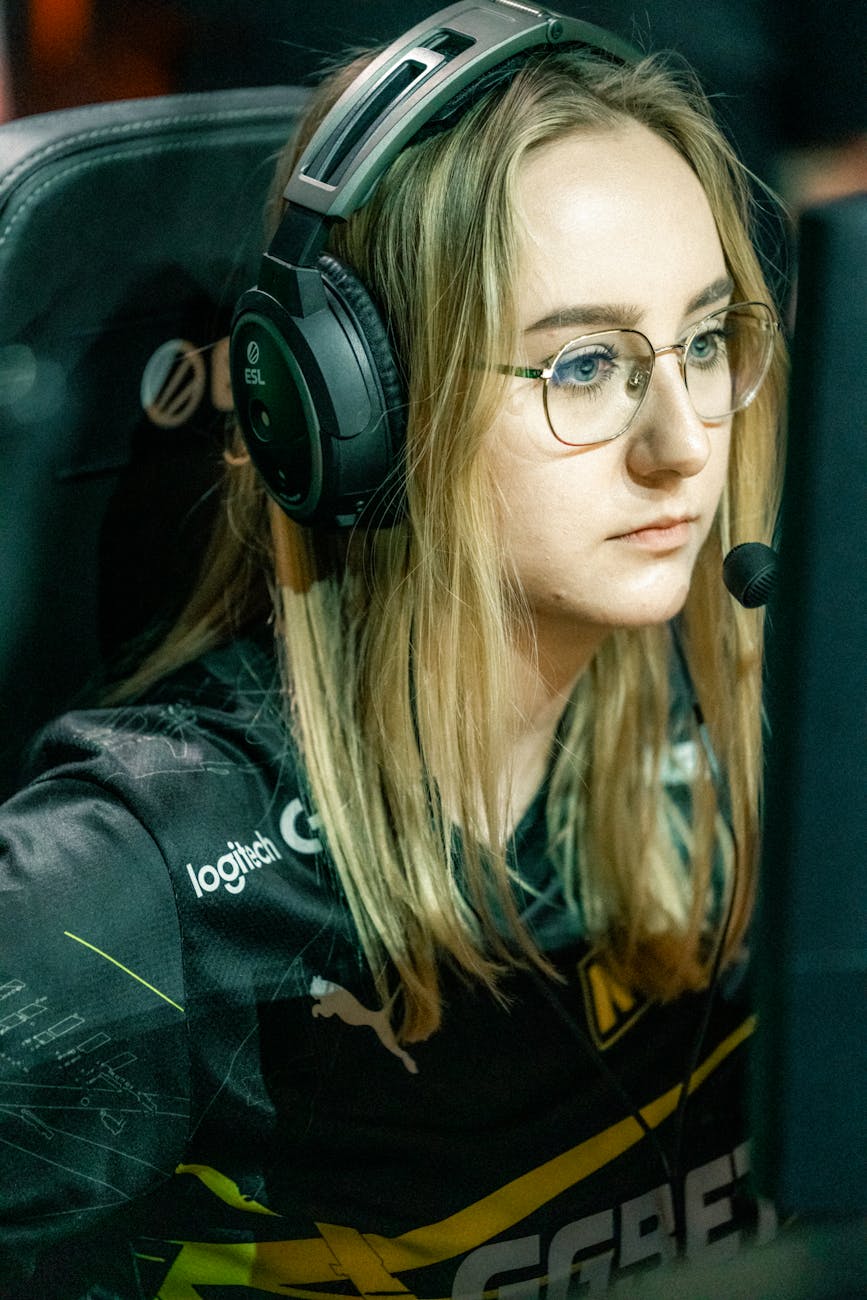
- Improving performance and getting results (more wins, higher ranks, faster times)
- Boosting your confidence especially when you see your skills grow
- Being part of a community and competing on an even level with your friends or others online
- Expressing your creativity in gameplay, strategy, or custom content
- Opening doors to content creation, tournaments, or even esports
Wanting to improve doesn't mean you're taking it too seriously. It means you care and that's a good thing. Like any hobby, it feels great when your effort pays off.
Real-life story: Lucas journey from casual to competitive
Luca, 16, loved playing Rocket League with friends. At first, I just played for fun, he said. But I kept losing matches and getting frustrated. I wanted to improve but didn't know how.
He started watching tutorials, practising specific mechanics, and focusing more during matches. Instead of just grinding games, I broke down what I was doing wrong, he said. Over a few months, he climbed from Silver to Diamond rank.
It felt amazing, Luca said. Not just because of the wins but because I earned it. I realised I could improve at anything if I put my mind to it.
How to improve at gaming: practical strategies
Getting better at games doesn't mean playing 10 hours a day. It means playing with purpose. Here are some strategies that actually work:
1. Set clear goals
It's easier to improve when you know what you're aiming for. Start with questions like:
- Do I want to reach a certain rank?
- Do I want to improve aim, movement, strategy or teamwork?
- Do I want to win more, or just be more consistent?
Set SMART goals: Specific, Measurable, Achievable, Relevant, Time-based. For example: I want to reach Platinum rank in Fortnite within two months.
2. Watch and learn
Don't just play study the game. Watch:
- Pro players on Twitch or YouTube
- Streamers who explain what they're doing and why
- Replays of your own gameplay (many games now offer replay systems)
Notice how top players move, position, make decisions, or communicate with teammates. You can learn a lot just by watching especially if you pause and analyse it.
3. Practise the right way
Improvement comes from deliberate practise not just endless matches. Break down your skills into chunks and work on them:
- In FPS games, use aim trainers (like Aim Lab or KovaaKs)
- In sports games, practise penalties, dribbling, or defence drills
- In strategy games, work on build orders, micro-management, or map control
Short, focused practise sessions can do more than hours of casual play.
4. Warm up before playing
Just like in sport, warming up helps you get into the zone. Try:
- 510 minutes of aim training or reflex drills
- Practising movement or combos in a training area
- Mentally reviewing strategies before ranked matches
It makes a difference especially in competitive or fast-paced games.
5. Reflect on your matches
After a tough game, don't just rage-quit. Take a moment to think:
- What went well?
- What mistakes did I make?
- What could I try differently next time?
Even pros watch back their own games to spot weak spots. If you do this regularly, your awareness and decision-making will massively improve.
6. Learn from failure
Everyone has losing streaks. The best players aren't the ones who never lose they're the ones who learn when they do.
Instead of saying I'm rubbish, try saying:
- I need to work on that positioning.
- I should've communicated better.
- Next time Ill take my time with that shot.
This shift in mindset is called growth mindset and it's a secret weapon for anyone who wants to improve at anything.
7. Take care of your body and mind
Improving at gaming isn't just about the game It's also about your health. To stay sharp, you need to:
- Get enough sleep (at least 8 hours)
- Take regular breaks to avoid fatigue
- Stay hydrated and eat well
- Stretch your hands, neck and back
If you're tired, stressed, or distracted, your performance will suffer. Looking after yourself is part of being a serious player.
8. Play with better players
It can be intimidating, but playing with or against people who are better than you is one of the fastest ways to improve. You'll:
- Learn new strategies
- Get pushed out of your comfort zone
- See where your weaknesses really are
Ask friends for feedback. Watch your teammates. Don't be afraid to ask for tips most people are happy to help if you're respectful.
9. Stay positive and patient
Improvement takes time. Don't expect overnight success and don't give up after one bad session. Focus on the progress, not just the end result.
Celebrate small wins:
- I landed more shots than usual
- I stayed calm in that clutch moment
- I communicated well with the team
These are all signs you're levelling up even before the leader board shows it.
How to avoid common improvement traps
Want to improve faster? Avoid these common mistakes:
- Grinding too long: Quality beats quantity. Long sessions can lead to burnout and bad habits.
- Only playing ranked: Sometimes casual or custom games are better for learning new skills without pressure.
- Ignoring feedback: If people give advice, listen. If they're rude, ignore the tone but still consider the tip.
- Comparing yourself too much: Everyone learns at their own pace. Focus on your journey, not someone else's rank.
Final thoughts
You don't have to be a pro to want to get better at gaming and you don't need fancy gear or hours of free time to start improving. All you need is curiosity, effort, and the willingness to learn.
From setting goals and watching replays, to warming up and reflecting after each match, the path to improvement is clear and completely possible for any British teen who wants to take their skills to the next level.
So next time you boot up your favourite game, ask yourself: What can I learn today? With that mindset, every match is a chance to level up not just in the game, but in yourself too.
How are you feeling?
It is really important that when we need help, we feel able to ask for it. This could be speaking to a parent, a close friend, a teacher or someone else you trust. Sometimes it can be really hard to share our feelings with other people but if we are feeling low or don't know where to turn, sharing with others is really important. Teachers will always take you seriously and listen to your problems in confidence if you approach them for help. Likewise, parents, siblings or friends will help you if you reach out to them.
If you feel like you can't speak to anyone you know, there are people and organisations that can help support you:
- Childline - Call them on 0800 1111 any time of the day or night, every day of the week
- NSPCC - Call them on 0808 800 5000 between 10am and 4pm Monday to Friday or email them on help@NSPCC.org.uk
- The Samaritans – Call them on 116 123 any time of the day or night, every day of the week
- SANE – Call 0300 304 7000 for support (4:30pm - 10:30pm every day)
- Mind – Call 0300 123 3393 (9:00am - 6:00pm Monday to Friday)
*Sometimes we will use real life examples in our articles to aid understanding. When we do, names and ages will be changed.