













Let's get started...
Failing an exam can feel like the end of the world especially if it's one you worked hard for. You might feel disappointed, embarrassed, or worried about your future. But here's something you need to know straight away: yes, you can retake an exam if you fail, and it doesn't mean you've failed at life. Lots of students retake exams every year and go on to do brilliantly. It's not about getting everything right the first time It's about how you bounce back, learn from the experience, and move forward.
This article will explain exactly what happens if you fail an exam, what your options are, how it can affect your future, and most importantly how to make a strong comeback. You'll also read a real-life story from a young person who retook an exam and came out stronger, along with practical strategies to help you succeed next time.
What happens if you fail an exam?
First of all, lets clear up what failing really means. In the UK, particularly with GCSEs, a grade 4 is considered a standard pass and a grade 5 is a strong pass. If you get a 3 or below, that's usually seen as a fail in core subjects like English and maths especially if you're planning to move on to sixth form, college, or an apprenticeship.
Failing one exam doesn't mean you can't continue your education, but some qualifications and courses will ask for certain grades. This is especially true for:
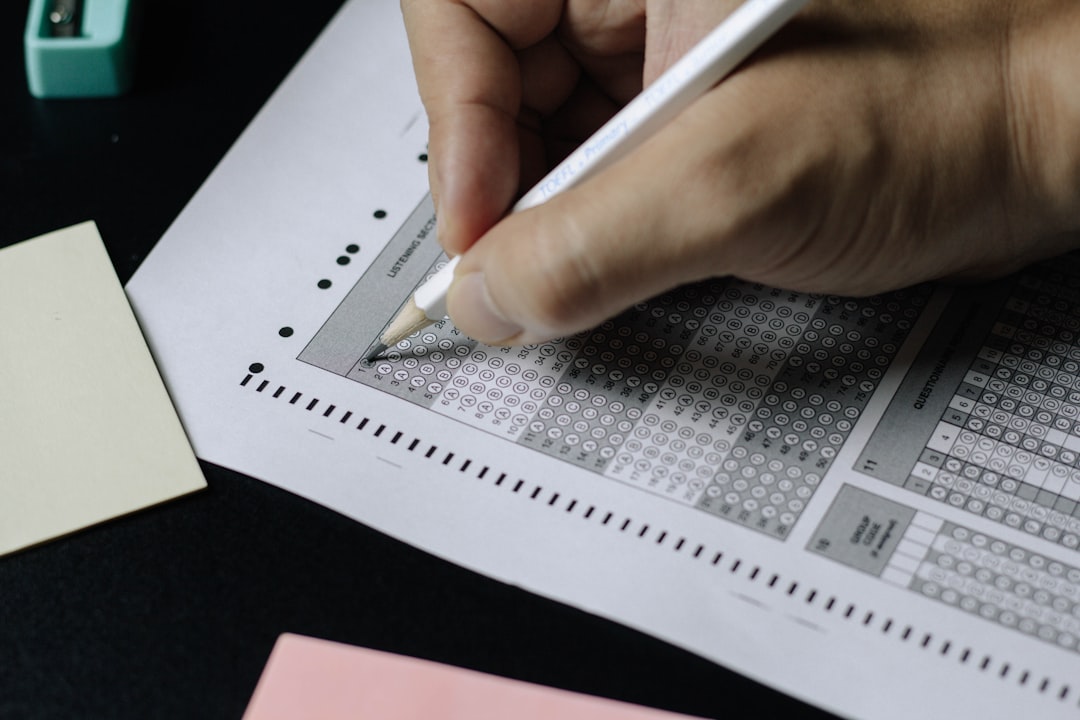
- GCSE maths and English which are required to move on to many A-level or vocational courses
- Specific A-levels that require good GCSE grades in related subjects
- University entry requirements that include a minimum number of passes
If you don't meet those grades, don't panic most colleges and sixth forms will work with you to come up with a plan. Often, that includes retaking the exam while continuing your studies.
Can you retake GCSEs and other exams?
Yes and many students do. If you fail a GCSE, especially in English or maths, you will usually be given the opportunity to resit it the following year (or even sooner, depending on your school or college). Here's how it usually works:
GCSE English and maths
- If you get below a grade 4, and you're staying in education, you'll have to retake these subjects until you're 18 or until you pass.
- Retakes usually happen in November (for maths and English) or in the next summer exam series.
Other GCSE subjects
- Retakes are possible, but they're not compulsory. You can choose to resit a subject if you want to improve your grade for college or future plans.
- You'll likely need to organise this through your school, college, or a private exam centre.
A-levels and other qualifications
- You can also retake A-levels if needed. Some students choose to retake individual papers or whole subjects to improve their overall grade.
- This often happens alongside a gap year or through private study.
Important: Retaking an exam isn't about repeating your failure It's about building on what you've already learned and giving yourself another chance.
Real-life story: Hannah's journey
Hannah was 16 when she sat her GCSEs. She was predicted 5s and 6s, but the pressure got to her, and she ended up with a 3 in maths. I felt crushed, she said. I thought I was letting everyone down.
She couldn't start the A-level course she wanted without a pass in maths, so she had to resit the exam at college alongside her other studies. At first, she was embarrassed. But when she got into the retake class, she realised she wasn't alone. Lots of students were in the same boat.
With more support, extra tutoring, and a fresh mindset, Hannah passed her maths resit with a 5. Retaking gave me a second chance, she said. And this time, I knew how to handle the stress better.
How to deal with failing an exam emotionally
Before we talk strategy, lets talk mindset. Failing an exam can feel personal, but it doesn't define you. Lots of successful people have failed at something what matters is what they did next. If you're feeling low after a bad result:
- Take a break Give yourself time to feel disappointed, but don't let it define you.
- Talk to someone A teacher, parent, or school counsellor can help you process it.
- Remind yourself A grade is just one part of your journey. You are more than a number.
Once you've given yourself a chance to regroup, you can start thinking about your next steps.
Practical strategies for retaking and succeeding
If you've decided (or been told) that you need to retake an exam, here's how to prepare differently and more effectively this time around:
1. Understand what went wrong
Was it lack of revision? Struggles with exam technique? Nerves? Personal stuff? Try to be honest with yourself and write down a few reasons. This isn't about blaming yourself It's about learning.
Tip: Go through your exam paper (if available) with a teacher and identify where you lost marks.
2. Create a new revision plan
You don't need to revise everything just focus on the areas you struggled with.
- Break subjects into small topics
- Use a weekly timetable to schedule short revision sessions
- Use a mix of active methods like flashcards, past papers, and mind maps
3. Learn from your past mistakes
If you left revision too late, start earlier. If you didn't ask for help, speak up. If you got overwhelmed, build in breaks and relaxation time. Reflect and adjust.
4. Practise exam technique
Knowing the content is one thing answering under pressure is another. Use real exam papers, time yourself, and practise writing answers in exam-style conditions.
Bonus: Mark your own answers using a mark scheme or ask a teacher for feedback.
5. Get support
You don't have to do it all alone. Ask for:
- Extra sessions or tutoring at school/college
- Online help sites like BBC Bitesize, Seneca, and YouTube are brilliant
- Support from friends or family even just someone to quiz you
6. Take care of your wellbeing
Sleep, nutrition, and exercise all affect your brain power. Make sure you're not running on empty. Even light exercise can boost memory and reduce stress.
7. Believe in your ability to improve
This isn't just cheesy advice It's backed by science. If you believe you can get better and put in the effort, you're far more likely to succeed. It's called having a growth mindset.
Other options if you don't want to retake
While retaking is common, it's not the only path forward. Depending on your goals, you could consider:
- Vocational courses These are often more hands-on and may accept lower grades
- Apprenticeships Learn on the job while earning
- Resitting through a private exam centre If your school won't support a resit, you can arrange it yourself
The key is to talk to your teachers, careers adviser, or head of year to explore your options. There's always more than one route to success.
Final thoughts
Failing an exam might feel like the end of the world in the moment, but it isn't. It's a bump in the road not a dead end. You can retake exams, improve your grades, and still achieve your goals.
What matters most is how you respond. Use your experience to learn, adapt, and come back stronger. Whether it's GCSE maths, English, science, or an A-level subject, your second chance could be the one that changes everything.
Believe in yourself, ask for help, put in the work and remember, failure is not final.
How are you feeling?
It is really important that when we need help, we feel able to ask for it. This could be speaking to a parent, a close friend, a teacher or someone else you trust. Sometimes it can be really hard to share our feelings with other people but if we are feeling low or don't know where to turn, sharing with others is really important. Teachers will always take you seriously and listen to your problems in confidence if you approach them for help. Likewise, parents, siblings or friends will help you if you reach out to them.
If you feel like you can't speak to anyone you know, there are people and organisations that can help support you:
- Childline - Call them on 0800 1111 any time of the day or night, every day of the week
- NSPCC - Call them on 0808 800 5000 between 10am and 4pm Monday to Friday or email them on help@NSPCC.org.uk
- The Samaritans – Call them on 116 123 any time of the day or night, every day of the week
- SANE – Call 0300 304 7000 for support (4:30pm - 10:30pm every day)
- Mind – Call 0300 123 3393 (9:00am - 6:00pm Monday to Friday)
*Sometimes we will use real life examples in our articles to aid understanding. When we do, names and ages will be changed.