
Let's get started...
The Importance of Mobile Device Security
In an era where smartphones and tablets are central to our daily lives, mobile device security has become more important than ever. Whether it's for browsing, social networking, or managing emails, these devices contain a wealth of personal information that can be vulnerable to threats including hackers, viruses, and other malicious activities.
Mobile security involves protecting both personal and business information stored on and transmitted from smartphones, tablets, laptops, and other mobile devices. As technology advances, the methods attackers use become more sophisticated. Therefore, ensuring the security of these devices is crucial, especially for young individuals who are heavily reliant on their gadgets.
Understanding the Risks
Before diving into how to secure mobile devices, it's important to understand what risks are out there. The most common threats include:
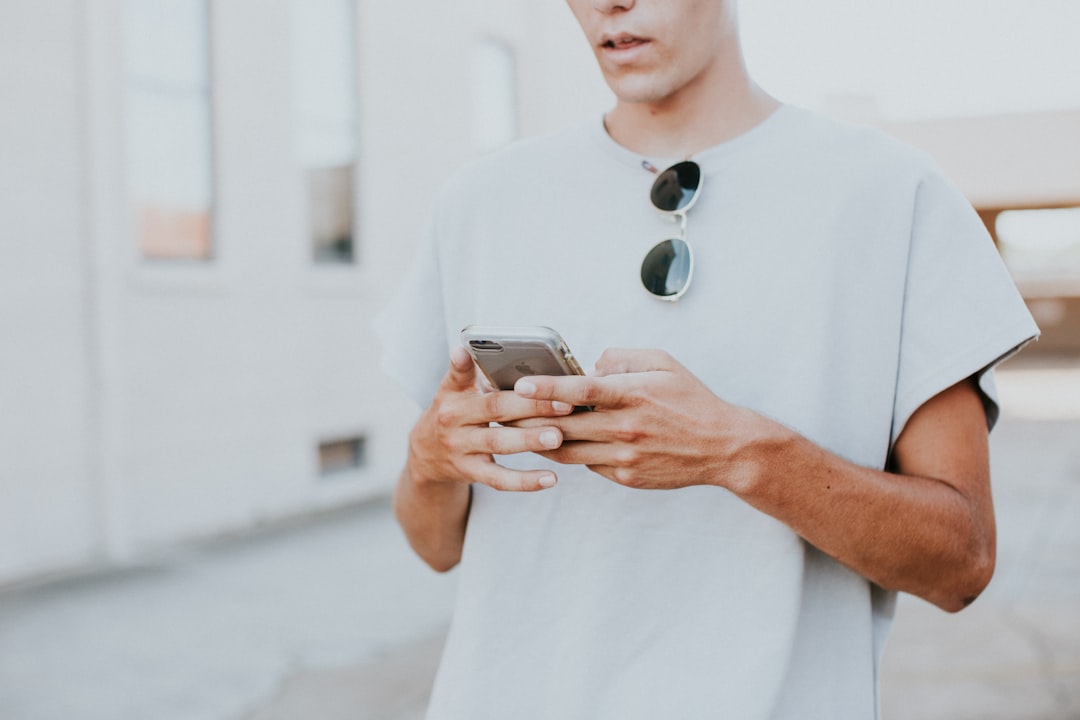
- Malware and Viruses: Malicious software designed to harm or exploit any programmable device, service, or network.
- Data Leakage: Unintentional exposure of sensitive information due to the misuse of mobile apps or security measures that are not robust enough.
- Unsecure Wi-Fi: Using public Wi-Fi can expose your device to vulnerabilities, making it easy for hackers to intercept the data being transmitted.
- Phishing Attacks: Fraudulent communication that appears to come from a reputable source, but is actually from an attacker seeking sensitive information.
These threats not only compromise personal information but could also lead to financial losses or other severe consequences.
Impact on Teenagers
Teenagers are particularly at risk because they tend to be more relaxed about security practices and are often unaware of the potential risks. Many young people use their devices for socialising, studying, and even online banking, all of which can expose them to cyber threats. The impact can range from the inconvenience of losing personal data to more serious issues like identity theft or financial fraud.
Bullying and exploitation are also concerns, with cyberbullies and predators using information gathered from compromised devices to harass or exploit young individuals.
Practical Strategies to Secure Mobile Devices
1. Use Strong Passwords and Authentication Methods
Always use a strong, unique password for locking your device. Avoid simple passwords and consider using a combination of letters, numbers, and symbols. Also, take advantage of biometric options like fingerprint scanning or facial recognition for added security.
2. Keep Your Operating System and Apps Updated
Manufacturers and app developers frequently update their software to fix bugs and patch security vulnerabilities. Ensure your device's operating system and all the installed apps are up-to-date to protect against threats.
3. Install Reliable Security Software
A reputable antivirus and anti-malware solution can be crucial in defending your device from the latest threats. Look for software specifically designed for mobile devices and check reviews before downloading.
4. Manage App Permissions
Be cautious about the permissions you grant to applications; not all apps need access to services like your camera, contacts, or location. Think critically and limit permissions to only what is necessary.
5. Avoid Public Wi-Fi
Public Wi-Fi is convenient but not secure. Avoid accessing sensitive information such as bank accounts while connected to a public network. Consider using a virtual private network (VPN) for an added layer of security.
6. Use Two-Factor Authentication
Wherever possible, enable two-factor authentication (2FA) on your accounts. This adds an additional layer of security by requiring a second form of identification beyond just your password.
7. Backup Your Data Regularly
Maintain regular backups of important data. This ensures that you can restore your information easily if your device is lost, stolen, or compromised.
Conclusion
Implementing these strategies can substantially mitigate the risks associated with mobile device usage. No system is infallible, but by taking proactive steps to secure your devices, you significantly lower the chances of becoming a victim of cyber threats.
It's also a good practise to stay informed about the latest in mobile security and to educate others about the importance of protecting personal information. Remember, securing your mobile device not only protects your personal information but also enhances the overall health of digital spaces for everyone.
How are you feeling?
It is really important that when we need help, we feel able to ask for it. This could be speaking to a parent, a close friend, a teacher or someone else you trust. Sometimes it can be really hard to share our feelings with other people but if we are feeling low or don't know where to turn, sharing with others is really important. Teachers will always take you seriously and listen to your problems in confidence if you approach them for help. Likewise, parents, siblings or friends will help you if you reach out to them.
If you feel like you can't speak to anyone you know, there are people and organisations that can help support you:
- Childline - Call them on 0800 1111 any time of the day or night, every day of the week
- NSPCC - Call them on 0808 800 5000 between 10am and 4pm Monday to Friday or email them on help@NSPCC.org.uk
- The Samaritans – Call them on 116 123 any time of the day or night, every day of the week
- SANE – Call 0300 304 7000 for support (4:30pm - 10:30pm every day)
- Mind – Call 0300 123 3393 (9:00am - 6:00pm Monday to Friday)
*Sometimes we will use real life examples in our articles to aid understanding. When we do, names and ages will be changed.