

















Let's get started...
Understanding the Seriousness of Knife-Carrying
As young people grow and interact more with their communities, understanding the risks posed by illegal activities, including carrying knives, is crucial. The sight of someone with a knife can be terrifying and is a serious safety concern. Knives are not just kitchen tools but in the wrong hands, they can be dangerous weapons.
Why Do Some Youngsters Carry Knives?
Various reasons drive teenagers and young adults to carry knives. Some think they need them for protection, influenced by fear, peer pressure, or the wish to appear tough. Others might carry them as a symbol of status or power within their peer group. Whatever the reasons, the outcomes can be life-altering.
The Real-life Impact of Encountering Knives
For you, as a young person, seeing someone holding a knife can be deeply impactful. It can lead to anxiety, fear for personal safety, or even trauma. Such experiences can alter your trust in others and confidence in your community's safety. The threat of knife crime has a ripple effect, influencing not just the victims but also the families and friends connected to the incident.
What Should You Do If You See Someone With a Knife?
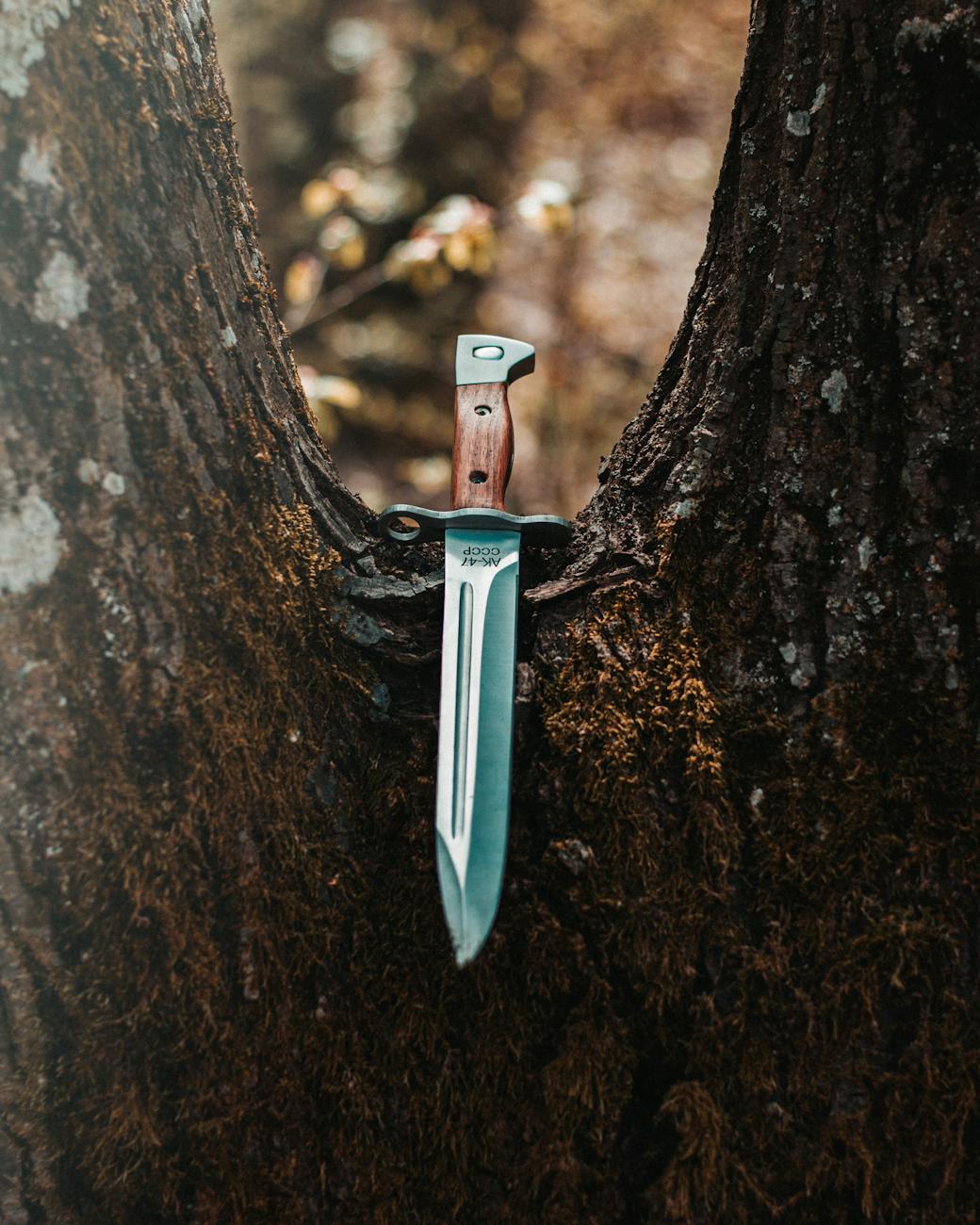
1. Assess the Situation Calmly
When you see someone with a knife, the first thing to do is remain as calm as possible. Panic can cloud your judgment, making the situation worse. Assess whether the person with the knife has noticed you. If they haven't, avoid drawing attention to yourself.
2. Put Distance Between Yourself and the Threat
Your safety is the utmost priority. If it is possible and safe to do so, put as much distance as possible between yourself and the person with the knife. Remember, running away from danger is not cowardly, it's smart.
3. Find a Safe Place to Get Help
Once you are at a safe distance, find a secure place where you can ask for help. This could be a nearby shop, a friend's house, or any public area with plenty of people. It is essential to tell someone trustworthy like a police officer, a teacher, or even a passer-by about what you saw. They can alert the authorities and ensure broader safety.
4. Avoid Confrontations
Never attempt to confront the individual with the knife. Confrontations can escalate quickly and unpredictably, putting you and potentially others at risk. Your personal safety is more important than trying to handle the situation yourself.
5. Contact the Authorities
If it's safe to do so, call the police. Dial 999, the emergency number in the UK, and explain the situation as clearly and calmly as you can. Provide as many details as possible, including your location, a description of the individual carrying the knife, and any immediate dangers.
6. Help Others Away from Danger
If there are other people around who haven't noticed the threat, calmly guide them away from potential harm. Make sure you do this without alarming them unnecessarily.
7. Cooperate with Law Enforcement
When the police arrive, offer your full cooperation. Provide them with all the information you have, and follow their instructions carefully.
8. Take Care of Your Emotional Health Afterwards
Witnessing someone with a knife can be traumatic. It's perfectly normal to feel scared, anxious, or upset. Talk to someone you trust about your feelings. If the event profoundly affected you, consider speaking to a professional counsellor to help process the emotions you experienced.
Learning from the Experience
It's important to learn from such encounters to better understand how to deal with similar situations in the future. Knowledge is power, and understanding how to act correctly can make a significant difference in ensuring your safety and the safety of those around you. Discussions in school, with parents, or community leaders about these topics can also help in creating a safer environment for everyone.
Summary
Seeing someone with a knife can be traumatising and unsettling. Yet, knowing how to react properly can prevent harm and potentially save lives. Stay calm, avoid confrontation, seek safety, contact authorities, and take care of your emotional health.
How are you feeling?
It is really important that when we need help, we feel able to ask for it. This could be speaking to a parent, a close friend, a teacher or someone else you trust. Sometimes it can be really hard to share our feelings with other people but if we are feeling low or don't know where to turn, sharing with others is really important. Teachers will always take you seriously and listen to your problems in confidence if you approach them for help. Likewise, parents, siblings or friends will help you if you reach out to them.
If you feel like you can't speak to anyone you know, there are people and organisations that can help support you:
- Childline - Call them on 0800 1111 any time of the day or night, every day of the week
- NSPCC - Call them on 0808 800 5000 between 10am and 4pm Monday to Friday or email them on help@NSPCC.org.uk
- The Samaritans – Call them on 116 123 any time of the day or night, every day of the week
- SANE – Call 0300 304 7000 for support (4:30pm - 10:30pm every day)
- Mind – Call 0300 123 3393 (9:00am - 6:00pm Monday to Friday)
*Sometimes we will use real life examples in our articles to aid understanding. When we do, names and ages will be changed.
