

















Let's get started...
The UK Knife Laws Explained
If you've ever wondered about the rules surrounding carrying knives in the UK, you're not alone. Many people, especially teens, are curious about what's legal and what's not when it comes to knives. It's crucial to know these laws to stay on the right side of the law and ensure your own safety and the safety of others.
Understanding the Basics
In the UK, the law on carrying knives is mainly governed by the Criminal Justice Act 1988 and the Offensive Weapons Act 1996. Generally, it is illegal to carry a knife in public without a valid reason. Knives can easily be categorised as offensive weapons under these laws.
The main points to note about UK knife laws are:
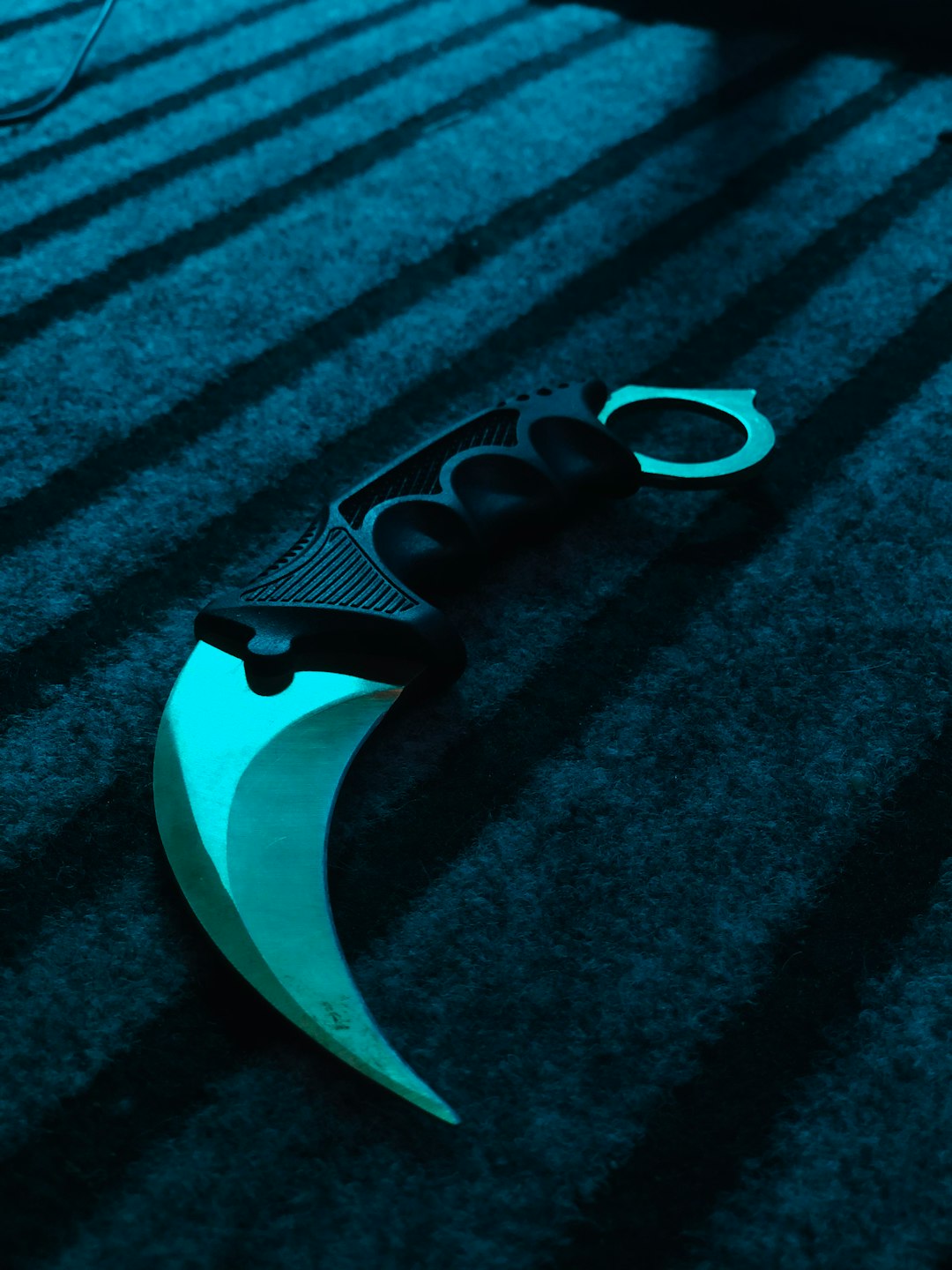
- You can't carry a knife in public without good reason. Exceptions include knives used at work like those for chefs, or knives used for religious or national traditions like a Sikh Kirpan.
- The maximum penalty for an adult carrying a knife is 4 years in prison and an unlimited fine.
- It's illegal for anyone to sell a knife of any kind to anyone under 18 years old
- Carrying a knife for self-defence is considered carrying a knife without good reason and is illegal.
What Counts as a Knife?
'Knife' seems straightforward, right? But under UK law, it covers more than just your average kitchen knife. It includes anything with a sharp blade, which means things like multi-tools and even some types of scissors can also be classed as knives.
Why Are These Laws in Place?
The aim of these tough laws is to reduce knife crime and the injuries and deaths that can result from it. Knife crime has been a persistent issue in the UK, particularly among the youth. By understanding and respecting the law, you help reduce these statistics and contribute to a safer society.
Real-life Impact on You
So, what does this mean for you as a teenager in the UK? Here are a few scenarios:
- Carrying a knife can get you in serious trouble, not only with the law but it can also put you in dangerous situations where someone might be injured.
- If you're found with a knife, it could affect your future opportunities. Having a criminal record can make it harder to get a job, travel to some countries, or apply for college.
- You might feel pressure from peers to carry a knife, perhaps out of fear or to feel accepted. However, following this path only leads to negative consequences.
Strategies for Dealing With Peer Pressure
Handling the pressure to carry a knife can be tough, especially if it feels like everyone else is doing it. Here's how you can stand your ground:
- Be confident in saying no: You might worry about not fitting in, but carrying a knife isn't worth the risk. Stand firm in your decision.
- Talk about it: If you're feeling pressured, talk to someone you trust like a teacher, parent, or school counsellor.
- Know the facts: Sometimes, simply sharing what you know about the real penalties of carrying a knife can be enough to sway your friends too.
Legal and Safe Alternatives to Carrying a Knife
If you feel you need to protect yourself, consider safer, legal alternatives:
- Personal alarms: These are legal and can draw attention when you're in danger.
- Self-defence classes: Knowing how to protect yourself without weapons can boost your confidence and keep you safe.
- Carry a whistle: It's a simple tool, but it can be effective in an emergency to alert others around you.
Conclusion
Understanding UK knife laws is vital, especially for young people. Knowing what is legal and what is not can save you from potentially life-altering consequences. Remember, carrying a knife doesn't just put you at legal risk - it could endanger your life and the lives of those around you. Confide in trusted adults and friends who will support your decision to stay safe and on the right side of the law. Stick to safe, legal alternatives and know that your safety and well-being are most important.
How are you feeling?
It is really important that when we need help, we feel able to ask for it. This could be speaking to a parent, a close friend, a teacher or someone else you trust. Sometimes it can be really hard to share our feelings with other people but if we are feeling low or don't know where to turn, sharing with others is really important. Teachers will always take you seriously and listen to your problems in confidence if you approach them for help. Likewise, parents, siblings or friends will help you if you reach out to them.
If you feel like you can't speak to anyone you know, there are people and organisations that can help support you:
- Childline - Call them on 0800 1111 any time of the day or night, every day of the week
- NSPCC - Call them on 0808 800 5000 between 10am and 4pm Monday to Friday or email them on help@NSPCC.org.uk
- The Samaritans – Call them on 116 123 any time of the day or night, every day of the week
- SANE – Call 0300 304 7000 for support (4:30pm - 10:30pm every day)
- Mind – Call 0300 123 3393 (9:00am - 6:00pm Monday to Friday)
*Sometimes we will use real life examples in our articles to aid understanding. When we do, names and ages will be changed.
