

















Let's get started...
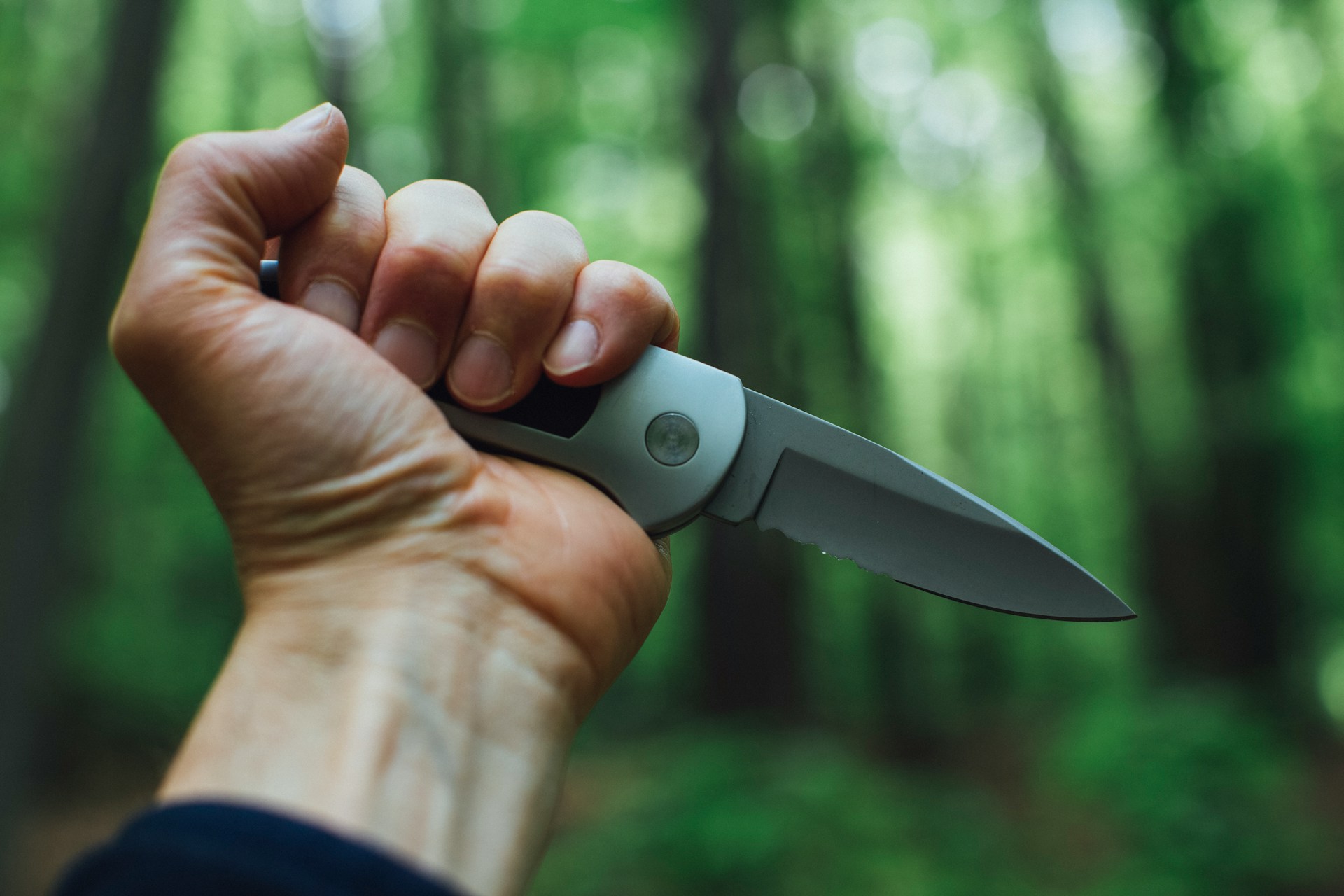
Many young people carry a knife thinking it will make them safer. But does it actually? Let's delve deeper into this pressing issue, understand it's implications, and discuss safer alternatives.
Understanding Why Teens Carry Knives
It's important to first understand why some teenagers might feel the need to carry a knife. Common reasons include:
- Fear: Hearing about or experiencing violence can trigger the thought that carrying a weapon is necessary for protection.
- Peer Pressure: If friends or acquaintances are carrying knives, the pressure to conform and do the same can be intense.
- Status: In some circles, carrying a knife may wrongly seem like a badge of honour or a sign of toughness.
- Media Influence: The portrayal of knife-carrying as a means of self-defence in various media can distort young minds.
The Real Risks of Carrying a Knife
Carrying a knife, contrary to providing safety, significantly increases the risk of getting involved in violence. Here's how:
- Escalation: What might otherwise be a minor confrontation can turn deadly when a knife is involved. The presence of a weapon can turn a fist fight into a fatal encounter.
- Legal Consequences: In the UK, carrying a knife can lead to severe legal consequences including arrest, a criminal record, or even a prison sentence.
- Accidents: Unintentional injuries can occur simply by carrying a knife, either to the carrier or those around them.
- Reputation: Being known for carrying a knife can damage relationships, educational opportunities, and future job prospects.
- Victimisation: Studies suggest that people who carry knives are more likely to become victims of knife-related crimes.
Impact on Life and Future
Imagine you're just hanging out with friends, but one day, due to a perceived threat, you decide to carry a knife. Here's how this decision could play out:
Scenario: You get into an argument at a party. Feelings are heightened and suddenly, the other person spots the knife. In a flash, the situation escalates beyond control. Police get involved. You are arrested, not just for being part of the fight, but for possession of a knife.
This single event can have long-lasting impacts:
- Criminal Record: You could end up with a criminal record, affecting college applications, job opportunities, and travel possibilities.
- Fear and Anxiety: Being involved in violent incidents can lead to long-term psychological effects like PTSD.
- Community Relationships: Trust is difficult to rebuild once people know you've carried a weapon.
All these are steep prices to pay for a decision that you thought would make you safer.
What Are the Alternatives?
If you're feeling threatened or unsafe, there are safer and more effective ways to protect yourself:
- Learn Self-defence: Join classes that teach practical self-defence that doesn't rely on weapons.
- Stay in Groups: There's safety in numbers. Stay with your friends in unfamiliar or potentially unsafe situations.
- Be Aware of Your Surroundings: Understanding your environment can prevent walking into risky situations.
- Use Your Voice: Sometimes, speaking confidently and loudly can deter potential threats.
- Report Threats: If you feel threatened or notice concerning behaviour in others, report it to a trusted adult or authority.
Empowering Yourself Without a Knife
Feeling safe is crucial, but carrying a knife isn't a solution. It's about making smart choices, knowing your environment, and using the support systems and resources available:
- Speak Out: Talk about your fears with teachers, parents, or counsellors - they can provide support and advice.
- Community Programs: Participate in or develop community outreach programs that focus on teaching youth about the dangers of carrying knives.
- Education: Educate yourself and your peers on the legal and personal consequences of knife possession.
You're not alone in wanting to feel secure and protected. However, remember that real safety comes from making responsible choices - not from the blade of a knife.
Conclusion
Arming yourself with knowledge and practical skills is far more powerful than any weapon. Addressing fears, finding support, and developing confidence are key steps in ensuring you stay safe without resorting to carrying a knife. Let's choose actions that lead to positive outcomes and safer communities for all of us.
How are you feeling?
It is really important that when we need help, we feel able to ask for it. This could be speaking to a parent, a close friend, a teacher or someone else you trust. Sometimes it can be really hard to share our feelings with other people but if we are feeling low or don't know where to turn, sharing with others is really important. Teachers will always take you seriously and listen to your problems in confidence if you approach them for help. Likewise, parents, siblings or friends will help you if you reach out to them.
If you feel like you can't speak to anyone you know, there are people and organisations that can help support you:
- Childline - Call them on 0800 1111 any time of the day or night, every day of the week
- NSPCC - Call them on 0808 800 5000 between 10am and 4pm Monday to Friday or email them on help@NSPCC.org.uk
- The Samaritans – Call them on 116 123 any time of the day or night, every day of the week
- SANE – Call 0300 304 7000 for support (4:30pm - 10:30pm every day)
- Mind – Call 0300 123 3393 (9:00am - 6:00pm Monday to Friday)
*Sometimes we will use real life examples in our articles to aid understanding. When we do, names and ages will be changed.
