
Let's get started...
Knife crime is a serious issue affecting many communities across the UK, particularly young people. It's a topic that can feel difficult to discuss, but understanding it is vital for staying safe and making good choices. Here are 10 things you've always wanted to know about knife crime but might have been too afraid to ask, along with strategies for dealing with the issue.1. What Is Knife Crime?
Knife crime refers to criminal offences involving a knife, such as carrying a knife without a good reason, using it to threaten someone, or committing an act of violence. It's a broad term that covers incidents ranging from possession to serious assault or murder.2. Why Do People Carry Knives?
There are many reasons why someone might carry a knife, including: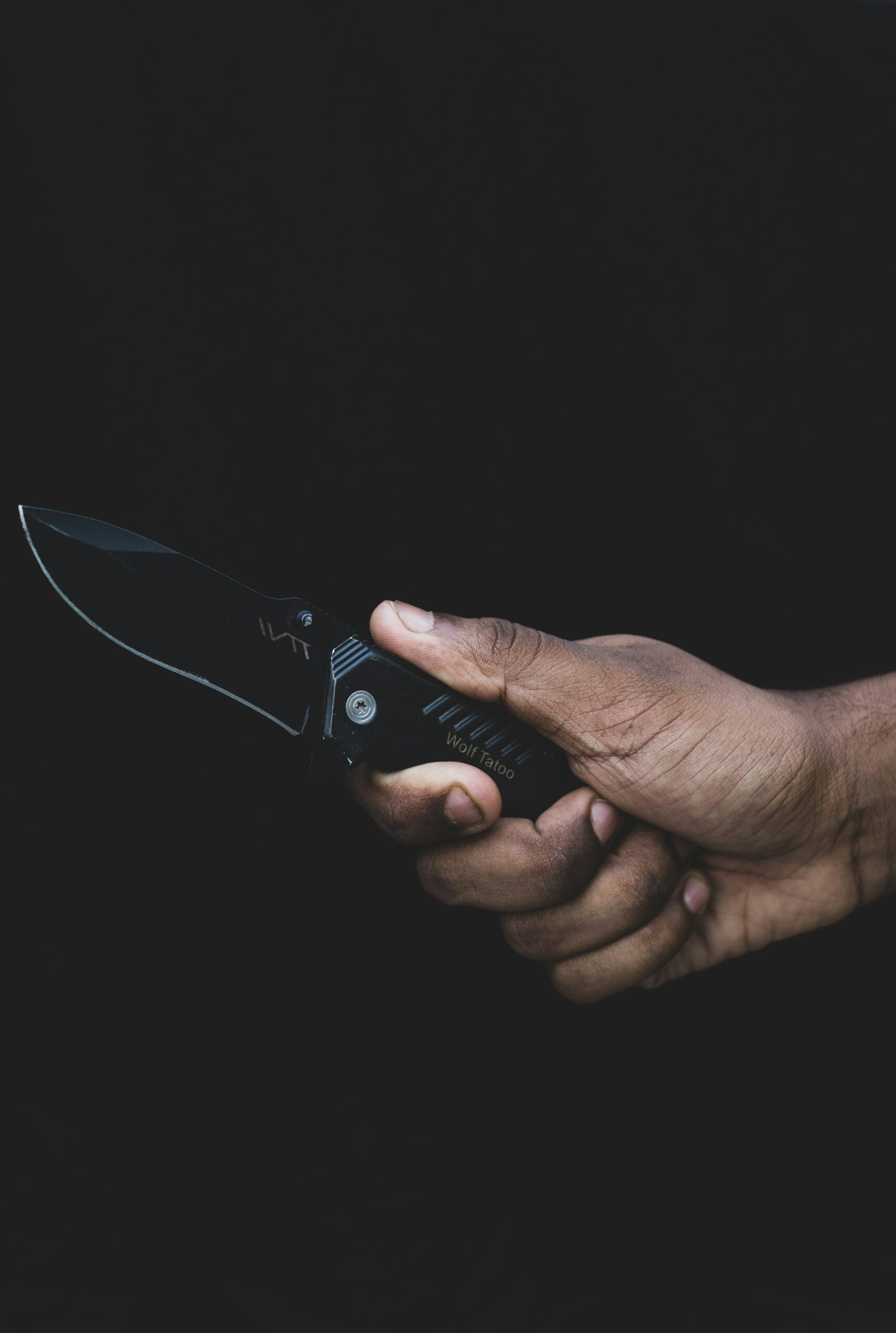
- Fear: Some people carry knives for protection, believing it will keep them safe.
- Peer pressure: Others may feel pressured by friends or social groups.
- Reputation: Carrying a knife can be seen as a status symbol in some circles.
- Intent to harm: In some cases, knives are carried to intimidate or hurt others.
3. How Common Is Knife Crime?
Knife crime has been a growing concern in the UK, particularly in cities like London, Manchester, and Birmingham. According to recent statistics, knife-related offences have been rising, especially among young people. While not everyone will encounter knife crime, its impact on communities can be significant.4. What Are the Consequences of Carrying a Knife?
The consequences of carrying a knife can be severe, including:- Legal penalties: Being caught with a knife without a valid reason can result in up to four years in prison and a criminal record.
- Injury or death: Carrying a knife increases the risk of it being used against you in a confrontation.
- Impact on future opportunities: A criminal record can affect your ability to get a job, travel, or apply for certain educational programmes.
5. How Does Knife Crime Affect Young People?
The impact of knife crime on young people can be devastating. Victims and their families often experience long-term trauma, grief, and fear. Even those who witness knife crime may feel unsafe in their communities. Additionally, young offenders face legal consequences that can alter the course of their lives.6. What Are the Warning Signs of Knife Crime?
Recognising the signs that someone may be involved in knife crime can help prevent harm. Look out for:- Carrying a weapon or talking about knives frequently.
- Involvement in gangs or groups that promote violence.
- Changes in behaviour, such as increased aggression or secrecy.
- Physical injuries that are unexplained or suspicious.
7. Real-Life Impact: A Teen's Story
Kyle, a 16-year-old from London, shared his experience: "I started carrying a knife because I thought it would keep me safe. But it only made things worse, I ended up in a fight and got seriously hurt. It wasn't worth it." Kyle's story highlights how carrying a knife can escalate dangerous situations instead of preventing them.8. What Can You Do to Stay Safe?
Staying safe in areas where knife crime is a concern involves making smart choices:- Avoid dangerous situations: Stay away from groups or places where violence is likely to occur.
- Travel with friends: Being in a group can reduce your vulnerability.
- Be aware of your surroundings: Pay attention to what's happening around you and trust your instincts.
- Seek support: If you feel unsafe, talk to a trusted adult or contact a local support organisation.
9. What Can You Do If You Feel Pressured to Carry a Knife?
Peer pressure can make it hard to say no, but there are ways to resist:- Be assertive: "I don't need a knife to feel safe or respected."
- Find supportive friends: Surround yourself with people who share your values and won't pressure you into dangerous decisions.
- Seek help: Talk to a teacher, parent, or mentor about the situation.
- Report concerns: If someone is pressuring you, report it to a trusted adult or organisation.
10. Where Can You Get Help and Support?
If you're affected by knife crime or worried about someone else, there are organisations that can help:- Ben Kinsella Trust: Educates young people about the dangers of knife crime.
- Childline: Provides free and confidential support for young people.
- Fearless: Allows you to report crime anonymously.
- Local police: Your local police force can offer advice and resources for staying safe.
Conclusion
Knife crime is a serious issue, but understanding the risks and making informed choices can help you stay safe. By avoiding dangerous situations, resisting peer pressure, and seeking support when needed, you can protect yourself and others. Remember, carrying a knife doesn't make you safer, it only increases the risk of harm. Your safety and future are worth prioritising.How are you feeling?
It is really important that when we need help, we feel able to ask for it. This could be speaking to a parent, a close friend, a teacher or someone else you trust. Sometimes it can be really hard to share our feelings with other people but if we are feeling low or don't know where to turn, sharing with others is really important. Teachers will always take you seriously and listen to your problems in confidence if you approach them for help. Likewise, parents, siblings or friends will help you if you reach out to them.
If you feel like you can't speak to anyone you know, there are people and organisations that can help support you:
- Childline - Call them on 0800 1111 any time of the day or night, every day of the week
- NSPCC - Call them on 0808 800 5000 between 10am and 4pm Monday to Friday or email them on help@NSPCC.org.uk
- The Samaritans – Call them on 116 123 any time of the day or night, every day of the week
- SANE – Call 0300 304 7000 for support (4:30pm - 10:30pm every day)
- Mind – Call 0300 123 3393 (9:00am - 6:00pm Monday to Friday)
*Sometimes we will use real life examples in our articles to aid understanding. When we do, names and ages will be changed.