

















Let's get started...
Understanding and addressing the issue of grooming is crucial for anyone, especially teenagers who might find themselves particularly vulnerable. Grooming is a form of manipulation that often involves an older individual coercing or tricking a young person into doing something that is not in their best interest, typically for the predator's sexual benefit. Recognising the signs and knowing how to react can protect you and others from harm.
How to Recognise Grooming
The first step in dealing with grooming is to recognise it's signs. Groomers often establish a trusting relationship with their target through affection, gifts, or attention. Here are common signs you might be experiencing grooming:
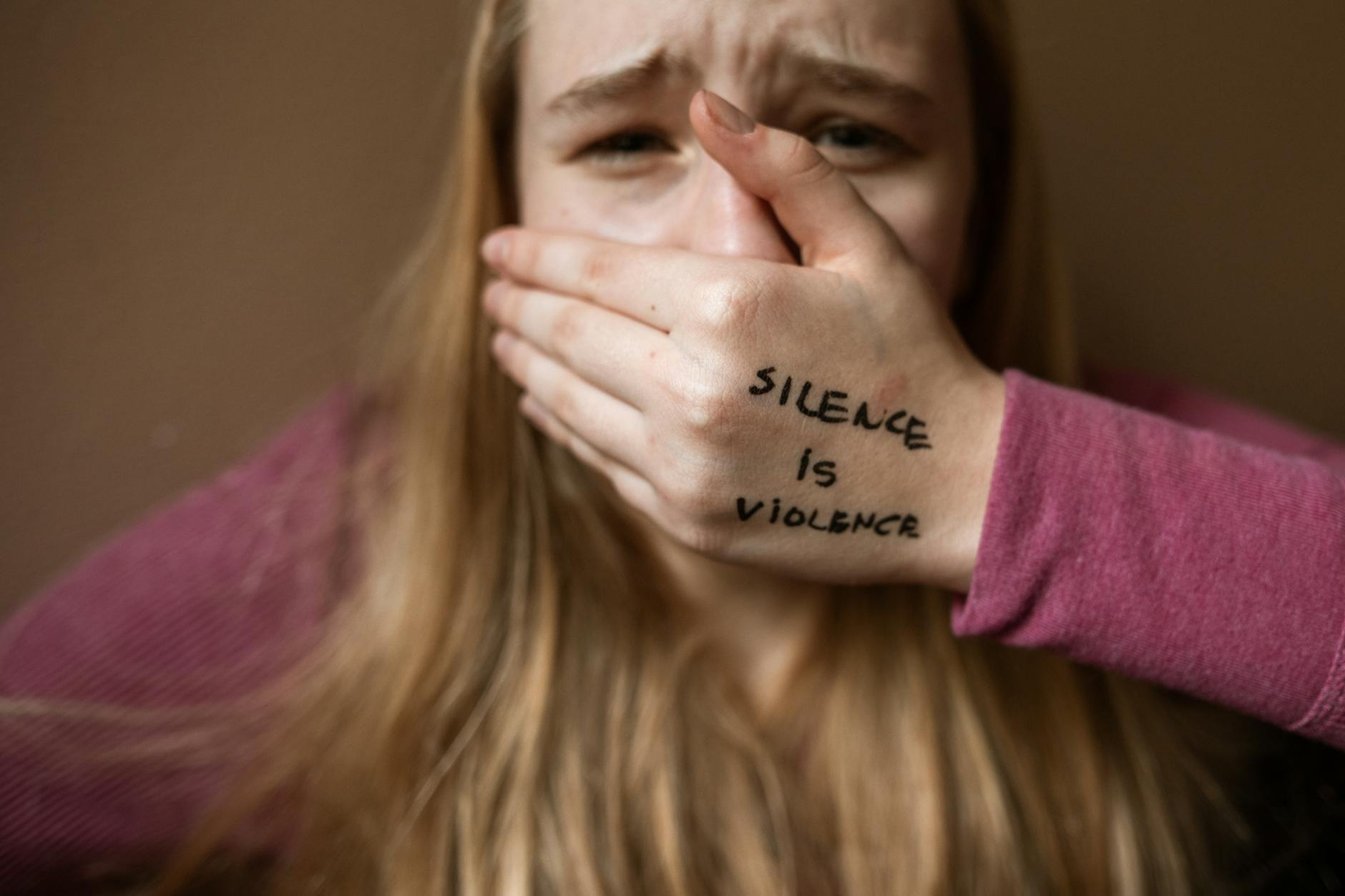
- Over-Attention: The person gives you a lot of attention, messages you frequently, or wants to spend a lot of time with you.
- Isolation Techniques: They try to isolate you from your friends and family, possibly by criticising them or by creating situations where it's just the two of you alone.
- Gifts and Favours: They may give you gifts or do you favours, and might later try to make you feel as though you owe them something in return.
- Secretive Behaviour: They encourage you to keep secrets from your family and friends.
- Sexualising Communication: The person might start introducing sexual topics into conversation or showing you explicit material.
Understanding the Real-Life Impact
Being groomed can feel confusing and isolating. You might feel flattered by the attention at first but uneasy or uncomfortable with the progression of the relationship. It can lead to feelings of guilt, shame, and helplessness. Grooming can also have severe long-term effects like depression, anxiety, and trust issues.
Practical Strategies for Dealing with Grooming
If you believe you're being groomed or you're in a situation that doesn't feel right, it's important to take steps to protect yourself. Here's what you can do:
1. Trust Your Feelings
If something feels off, it probably is. Listen to your instincts. You have the right to feel safe and respected in all your interactions.
2. Seek Help
Talk to someone you trust. This could be a parent, a teacher, a school counsellor, or a friend. It's important to have the support of someone who can provide advice and help you take the right steps.
3. Document and Report
Keep messages, emails, and any other communications from the person who is making you uncomfortable. These can be crucial if you decide to report the grooming. Contact organisations like the NSPCC or Childline (0800 1111), who can offer immediate help and guidance.
4. Set Boundaries
Be clear about your boundaries, and don't be afraid to enforce them. If someone is making you uncomfortable, it's okay to tell them to stop contacting you. Block them on social media and other communication platforms if necessary.
5. Stay Informed
Understanding what grooming looks like, its implications, and knowing the strategies to combat it is a powerful tool. Educate yourself about the dangers of grooming and share this knowledge with friends to create a safer community.
6. Prioritise Safety in Online Interactions
Be cautious about the information you share online. Groomers often use social media to find and manipulate their targets. Keep your profiles private, do not share personal information with strangers, and be wary of unsolicited messages.
Conclusion
Grooming is a serious issue, but being informed about what to look for and understanding how to handle such situations can empower you to stay safe. Remember, you are not alone, and there is help available. By recognising the signs of grooming and knowing how to act, you're taking critical steps in protecting yourself and possibly helping others from falling into similar traps. It's about creating a safe space for conversation, being vigilant, and supporting each other as a community.
How are you feeling?
It is really important that when we need help, we feel able to ask for it. This could be speaking to a parent, a close friend, a teacher or someone else you trust. Sometimes it can be really hard to share our feelings with other people but if we are feeling low or don't know where to turn, sharing with others is really important. Teachers will always take you seriously and listen to your problems in confidence if you approach them for help. Likewise, parents, siblings or friends will help you if you reach out to them.
If you feel like you can't speak to anyone you know, there are people and organisations that can help support you:
- Childline - Call them on 0800 1111 any time of the day or night, every day of the week
- NSPCC - Call them on 0808 800 5000 between 10am and 4pm Monday to Friday or email them on help@NSPCC.org.uk
- The Samaritans – Call them on 116 123 any time of the day or night, every day of the week
- SANE – Call 0300 304 7000 for support (4:30pm - 10:30pm every day)
- Mind – Call 0300 123 3393 (9:00am - 6:00pm Monday to Friday)
*Sometimes we will use real life examples in our articles to aid understanding. When we do, names and ages will be changed.
