

















Let's get started...
Understanding Grooming: A Guide for Teens
Grooming is a form of manipulation that is often misunderstood and unrecognised until it is too late. Predominantly, grooming involves an individual, typically an adult, building a relationship, trust, and emotional connection with a young person or child. This can happen both online and in person, with the intent to exploit or abuse. As teenagers, being aware of grooming and knowing the resources available to help victims is crucial for your safety and welfare.
The Rise of Online and Offline Grooming
In the digital age, the prevalence of grooming has increased with the rise of internet use among teens. Social media, chat rooms, and instant messaging provide anonymous, fast, and often unmonitored channels where predators can approach potential victims. Offline, it may occur in schools, community groups, or through family connections. Understanding these dynamics is the first step in prevention.
Real-Life Impact on Young People
The impact of being groomed can be profound and long-lasting. Victims often experience emotional and psychological distress, confusion about their relationships, and sometimes, guilt or shame. This manipulation can lead to more severe outcomes, including sexual abuse, exploitation, or engaging in risky behaviours. Recognising the signs of grooming such as receiving gifts, special attention, isolation from others, or requests for secrecy can help in identifying and halting this abuse early.
Key Resources for Grooming Victims
Addressing grooming after it starts is challenging, but numerous resources and support systems are designed to help. Below, we'll explore some essential services available in the UK specifically geared towards helping teens navigate and recover from such experiences.
National Organisations and Helplines
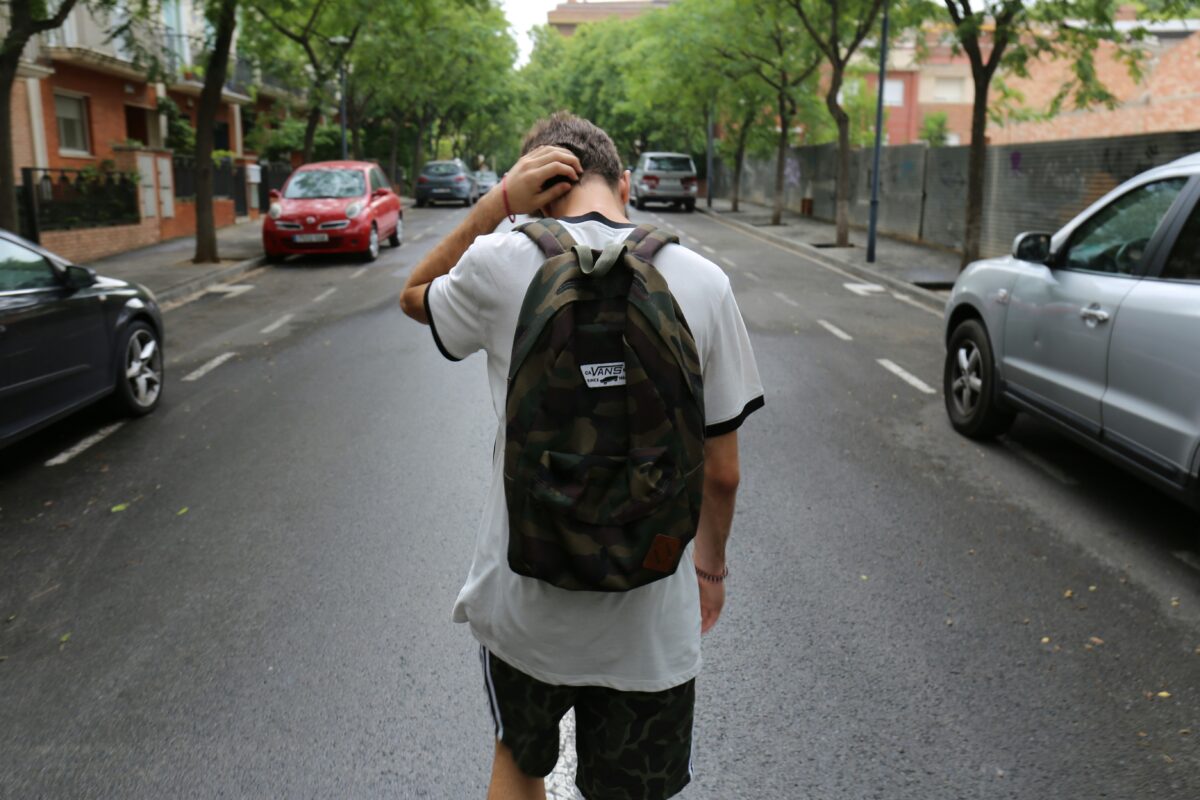
- Childline (0800 1111): A confidential service for children and teens, offering advice and support on a range of issues, including grooming. Childline also provides an online chat tool, which can be accessed through their website.
- The NSPCC (0808 800 5000): Operates a helpline for anyone worried about a child, including concerns about grooming. Their trained professionals offer advice, support, and can take steps to protect the child.
- The Children's Society: Provides extensive information on child sexual exploitation, which often overlaps with grooming. They offer direct services and advocacy to help young people in precarious situations.
Local Services and Support Groups
Many local communities offer support groups where victims of grooming can share their experiences and receive psychological and emotional support in a safe environment. Contacting your local council or visiting their website can provide you with information on these local resources.
Online Resources
- Thinkuknow (www.thinkuknow.co.uk): An education initiative by the National Crime Agency that provides resources for children, teens, parents, and educators about staying safe online.
- Internet Watch Foundation (IWF): Allows the reporting of sexual abuse content online anonymously. It works internationally to make the internet a safer place.
Practical Strategies for Dealing with Grooming
While knowing about resources is crucial, developing practical strategies to prevent and respond to grooming incidents is equally important. Here are some actionable steps:
Education and Awareness
Being informed about what grooming looks like, and the tactics groomers use, is the first line of defence. Educational programs in schools, online webinars, or workshops can offer valuable information.
Maintaining Open Communication
Talk openly with parents, teachers, or trusted adults about your interactions and feelings. Open communication can provide insights that prevent manipulative relationships from developing.
Safe Internet Practices
Limiting personal information shared online, using privacy settings, and understanding online safety can reduce the risk of being approached by groomers online.
Alert Authorities
If you or someone you know is being groomed, contact the police or child protection services immediately. Early intervention is crucial.
Conclusion
Understanding grooming and knowing the resources available for victims are essential steps in protecting yourself and your peers from this form of abuse. Awareness, open discussions, and utilising support systems can provide the empowerment needed to prevent and fight against grooming.
How are you feeling?
It is really important that when we need help, we feel able to ask for it. This could be speaking to a parent, a close friend, a teacher or someone else you trust. Sometimes it can be really hard to share our feelings with other people but if we are feeling low or don't know where to turn, sharing with others is really important. Teachers will always take you seriously and listen to your problems in confidence if you approach them for help. Likewise, parents, siblings or friends will help you if you reach out to them.
If you feel like you can't speak to anyone you know, there are people and organisations that can help support you:
- Childline - Call them on 0800 1111 any time of the day or night, every day of the week
- NSPCC - Call them on 0808 800 5000 between 10am and 4pm Monday to Friday or email them on help@NSPCC.org.uk
- The Samaritans – Call them on 116 123 any time of the day or night, every day of the week
- SANE – Call 0300 304 7000 for support (4:30pm - 10:30pm every day)
- Mind – Call 0300 123 3393 (9:00am - 6:00pm Monday to Friday)
*Sometimes we will use real life examples in our articles to aid understanding. When we do, names and ages will be changed.
