

















Let's get started...
Understanding Grooming and Its Impact on Victims
Grooming is a process by which an offender builds a relationship and emotional connection with a child or young person so they can manipulate, exploit and abuse them. This is not limited just to sexual abuse; it can also encompass exploitation for criminal activities, radicalization, and even emotional abuse. Recognising the signs and understanding the implications of grooming is crucial for both prevention and recovery.
The Stages of Grooming: How It Unfolds
Grooming often follows a discernible progression, beginning with the targeting stage, where the groomer identifies a vulnerable victim. This vulnerability might arise from a variety of factors, including lack of self-esteem, isolation, or family issues. Following the initial stage, the groomer will seek to gain the victim's trust, sometimes also trying to isolate them from friends and family who might protect them.
The groomer then begins to fill a needed role in the victim's life not just as a friend but often as a mentor, protector, or even a romantic interest. As this relationship deepens, the exploitation begins; the groomer may introduce secrecy, illicit activities, or norms that desensitise the victim to inappropriate behaviours and abuses. The final stage revolves around maintaining control, often through shame, guilt, fear, or even gifts and continued affection.
Real-Life Impact on Youth: The Psychological and Emotional Toll
The consequences of grooming can be devastating and long-lasting for young people. Initially, the victim might not even recognise that they are being groomed, which makes the psychological impact even more destructive when the true nature of their abuser's intentions becomes apparent. The following are some of the most common effects:
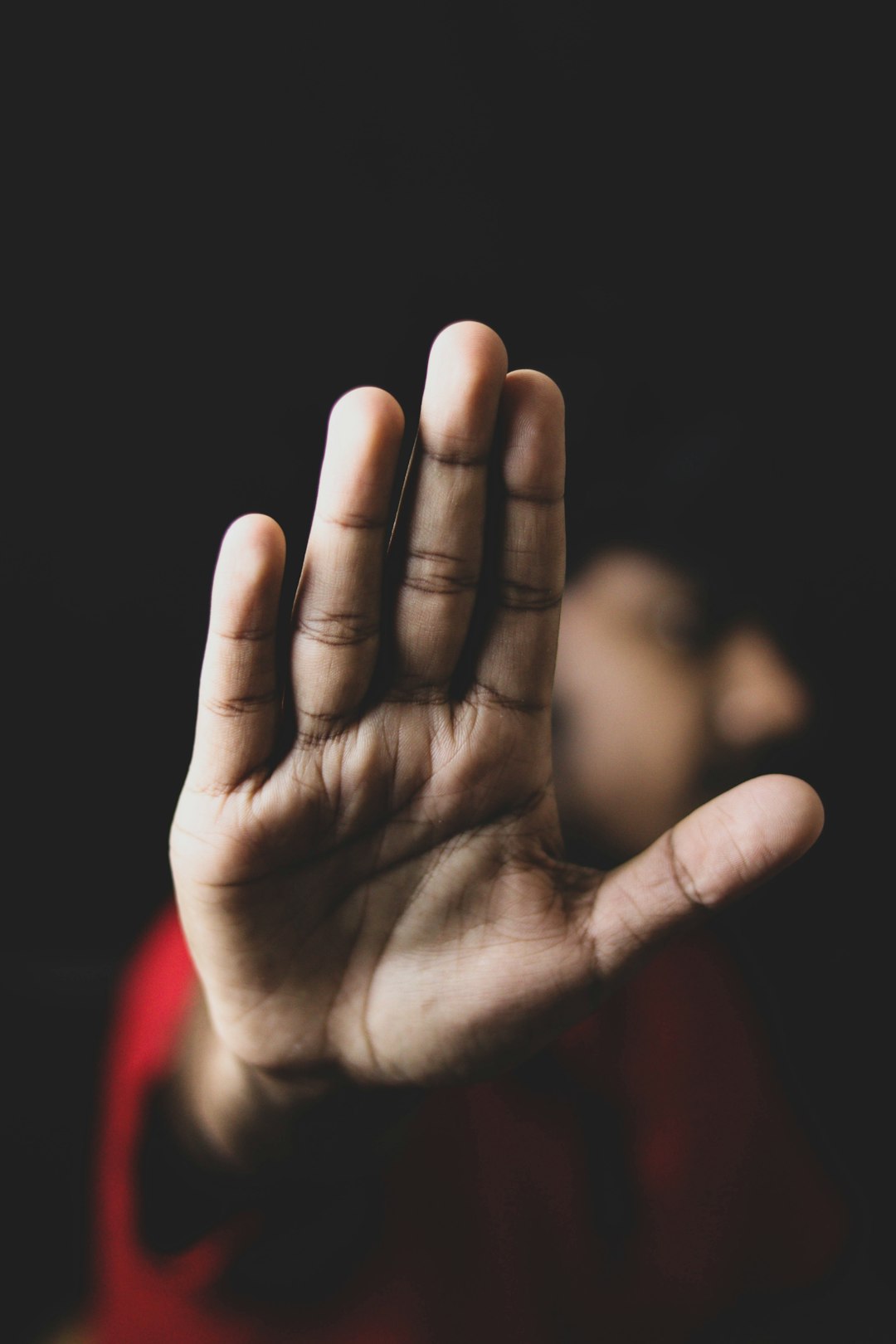
- Emotional and Mental Health Issues: Victims of grooming may experience severe anxiety, depression, and post-traumatic stress disorder (PTSD). The betrayal of trust, particularly from a seemingly caring figure, can lead to difficulty in forming healthy relationships in the future.
- Behavioural Changes: Adolescents who have been groomed might display sudden changes in behaviour. This could include withdrawing from usual activities, falling performance in school, or engaging in risky behaviours such as substance abuse or self-harm.
- Physical Health Problems: In cases where grooming involves sexual abuse, there are risks of physical harm, sexually transmitted infections (STIs), and in some instances, unwanted pregnancies. Even absent physical abuse, the stress and anxiety resulting from being groomed can manifest in physical symptoms like headaches, fatigue, and other stress-related illnesses.
Strategies for Coping and Recovery
Dealing with the aftermath of grooming can be incredibly challenging for a young person. However, there are several strategies that can assist victims in the coping and recovery process:
- Professional Support: Engaging with mental health professionals such as psychologists or counsellors who specialise in trauma can provide victims with coping mechanisms to work through their emotions and start the healing process.
- Community and Social Support: Support from friends, family, and community organisations can play a pivotal role. Support groups, where survivors share experiences and coping strategies, can also be beneficial.
- Educating Oneself and Others: Learning about grooming and understanding it as a form of abuse can help victims to contextualise their experience and may also empower them to educate others, which can be a healing process in itself.
- Creating a Safe Environment: Establishing a safe, supportive, and nurturing environment is essential for recovery. This may involve setting boundaries with people, getting restraining orders against abusers, or moving to new environments if necessary.
- Rebuilding Trust: Over time, and with appropriate therapy, victims can begin to rebuild trust in others, which is crucial for developing healthy relationships in the future. A continuous therapeutic relationship can foster this recovery aspect profoundly.
It's important for victims of grooming to remember that they are not to blame. Grooming is a calculated and manipulative process carried out by an abuser. Seeking support and speaking out can be powerful steps towards healing.
Conclusion
For teenagers and young people who fall victim to grooming, the journey from realisation through to recovery involves complex challenges but, importantly, it is a journey from victim to survivor. Through understanding, support, and professional help, the deep cuts inflicted by grooming can heal. Being informed is the first, powerful step towards safeguarding oneself against such abuses. Communicating with trusted adults and peers can serve as a preventative measure, offering protection and the necessary intervention before serious harm is done.
How are you feeling?
It is really important that when we need help, we feel able to ask for it. This could be speaking to a parent, a close friend, a teacher or someone else you trust. Sometimes it can be really hard to share our feelings with other people but if we are feeling low or don't know where to turn, sharing with others is really important. Teachers will always take you seriously and listen to your problems in confidence if you approach them for help. Likewise, parents, siblings or friends will help you if you reach out to them.
If you feel like you can't speak to anyone you know, there are people and organisations that can help support you:
- Childline - Call them on 0800 1111 any time of the day or night, every day of the week
- NSPCC - Call them on 0808 800 5000 between 10am and 4pm Monday to Friday or email them on help@NSPCC.org.uk
- The Samaritans – Call them on 116 123 any time of the day or night, every day of the week
- SANE – Call 0300 304 7000 for support (4:30pm - 10:30pm every day)
- Mind – Call 0300 123 3393 (9:00am - 6:00pm Monday to Friday)
*Sometimes we will use real life examples in our articles to aid understanding. When we do, names and ages will be changed.
