

















Let's get started...
Understanding Grooming
Grooming is a process used by predators to manipulate and gain the trust of their targets, often for the purpose of exploitation. It can occur across various platforms including social media, messaging apps, online gaming environments, and in person. Predators typically target vulnerable individuals, using kindness and affection as tools to establish a connection. Knowing what grooming looks like is the first step to protecting yourself. This includes recognising unusually fast-growing relationships online, requests for secrecy, and inappropriate requests for personal information or photos.Recognising the Signs of Grooming
Grooming behaviour can sometimes be hard to identify, especially since groomers often disguise their intentions with friendliness. They may give gifts, compliments, or show an exaggerated amount of interest in your life. Here are some signs to watch out for: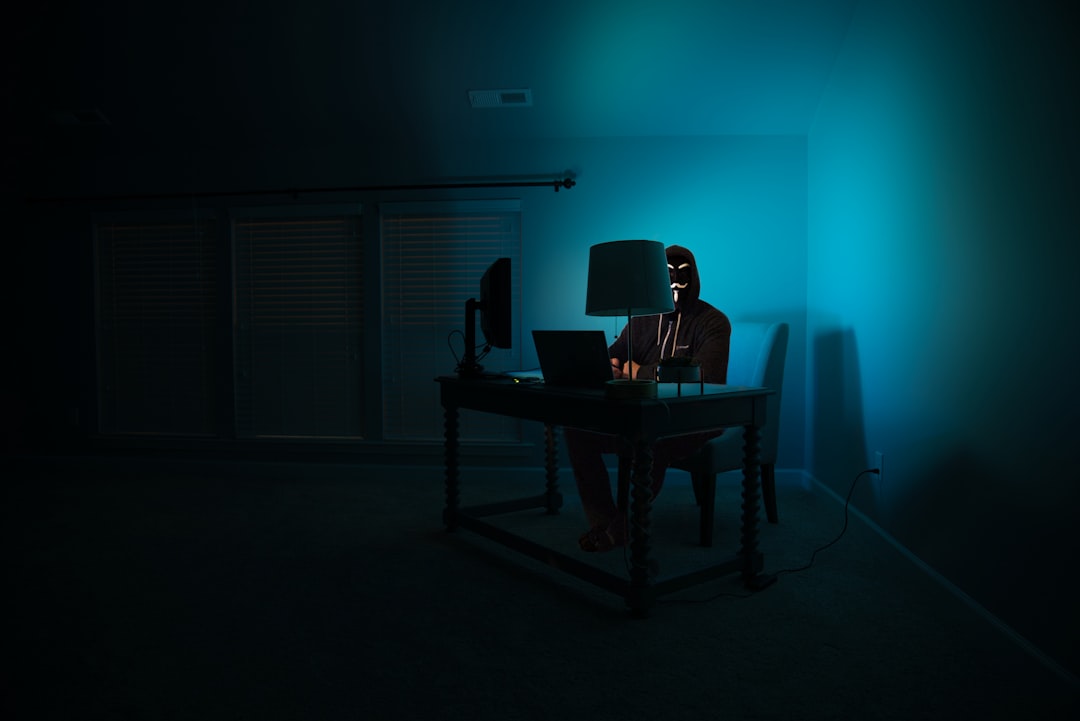
- Overwhelming Attention: Receiving unusually frequent messages, comments, or gifts can indicate a grooming attempt.
- Isolation Tactics: Efforts to distance you from friends and family to make you more dependent on the groomer.
- Secrecy: Pressure to keep your interactions a secret, which prevents others from noticing and intervening.
- Inappropriate Requests: Asking for photos, personal details, or for you to engage in activities that feel uncomfortable.
How Grooming Affects You
Grooming can have long-lasting emotional and psychological effects on a young person. It can lead to decreased self-esteem, increased anxiety, and difficulties trusting others. Victims may also experience guilt and shame, especially if they initially perceived the groomer as a friend or a romantic partner. Understanding these consequences underscores the importance of early intervention and prevention.Strategies to Protect Yourself from Grooming
Thankfully, there are proactive steps you can take to protect yourself from being groomed. Here are some practical tips:- Privacy Settings: Utilise the privacy settings on all social media platforms. Make sure that your profiles are set to private, and be cautious about who you accept as friends or followers.
- Critical Thinking: Be wary of people who you meet online. Question why an adult or even someone claiming to be your age would want to share confidential information, send gifts, or meet in person suddenly.
- Communication: Talk to someone you trust about your online interactions. This could be a parent, guardian, teacher, or a close friend. Transparency can provide you with insights and second opinions about potentially suspicious behaviours.
- Public Awareness: Keep your personal information private. Do not share your phone number, home address, or other sensitive information with anyone online. Even seemingly harmless details can be used to manipulate or harm you.
- Report and Block: If someone makes you uncomfortable, report them to the platform and block them. Most social media services have reporting tools designed to handle these kinds of situations. It's important to use these tools to help protect not only yourself but others who might be at risk too.
Additional Support and Resources
If you believe you or someone you know is being groomed, it's crucial to seek help immediately. Here are some ways to get support:- Educational Materials: Learn more about grooming through resources available online, in libraries, or through community programs. Knowledge is a powerful tool in prevention.
- Professional Help: There are services and professionals, like counsellors and therapists, who specialise in helping victims of grooming. They can provide emotional support and practical advice to overcome the trauma of such experiences.
- Speak to trusted adults: If you need help, speak to a parent, trusted adult, someone at school or call Childline (0800 1111) to ask for advice.
Conclusion
Grooming is a serious issue that can deeply affect your emotional and social well-being. However, by understanding the tactics used by groomers, recognising the signs, and learning how to protect yourself, you can significantly reduce your risk of becoming a victim. Remember, it's important to maintain open communications with trusted individuals and to use the tools and settings provided by online platforms to keep your interactions safe.How are you feeling?
It is really important that when we need help, we feel able to ask for it. This could be speaking to a parent, a close friend, a teacher or someone else you trust. Sometimes it can be really hard to share our feelings with other people but if we are feeling low or don't know where to turn, sharing with others is really important. Teachers will always take you seriously and listen to your problems in confidence if you approach them for help. Likewise, parents, siblings or friends will help you if you reach out to them.
If you feel like you can't speak to anyone you know, there are people and organisations that can help support you:
- Childline - Call them on 0800 1111 any time of the day or night, every day of the week
- NSPCC - Call them on 0808 800 5000 between 10am and 4pm Monday to Friday or email them on help@NSPCC.org.uk
- The Samaritans – Call them on 116 123 any time of the day or night, every day of the week
- SANE – Call 0300 304 7000 for support (4:30pm - 10:30pm every day)
- Mind – Call 0300 123 3393 (9:00am - 6:00pm Monday to Friday)
*Sometimes we will use real life examples in our articles to aid understanding. When we do, names and ages will be changed.
