

















Let's get started...
Introduction to Ecstasy: Understanding its Popularity
Often associated with the vibrant nightlife and bustling music scenes, ecstasy, also known by its chemical name MDMA (methylenedioxymethamphetamine), has become a common feature at parties, raves, and festivals among youth. its popularity can be attributed to the effects it has on the user, which includes heightened feelings of love, emotional warmth, empathy towards others, and an enhanced sensory perception. However, behind the allure lies a range of risks and consequences that are important for every teen to understand.
What Draws Young People to Ecstasy?
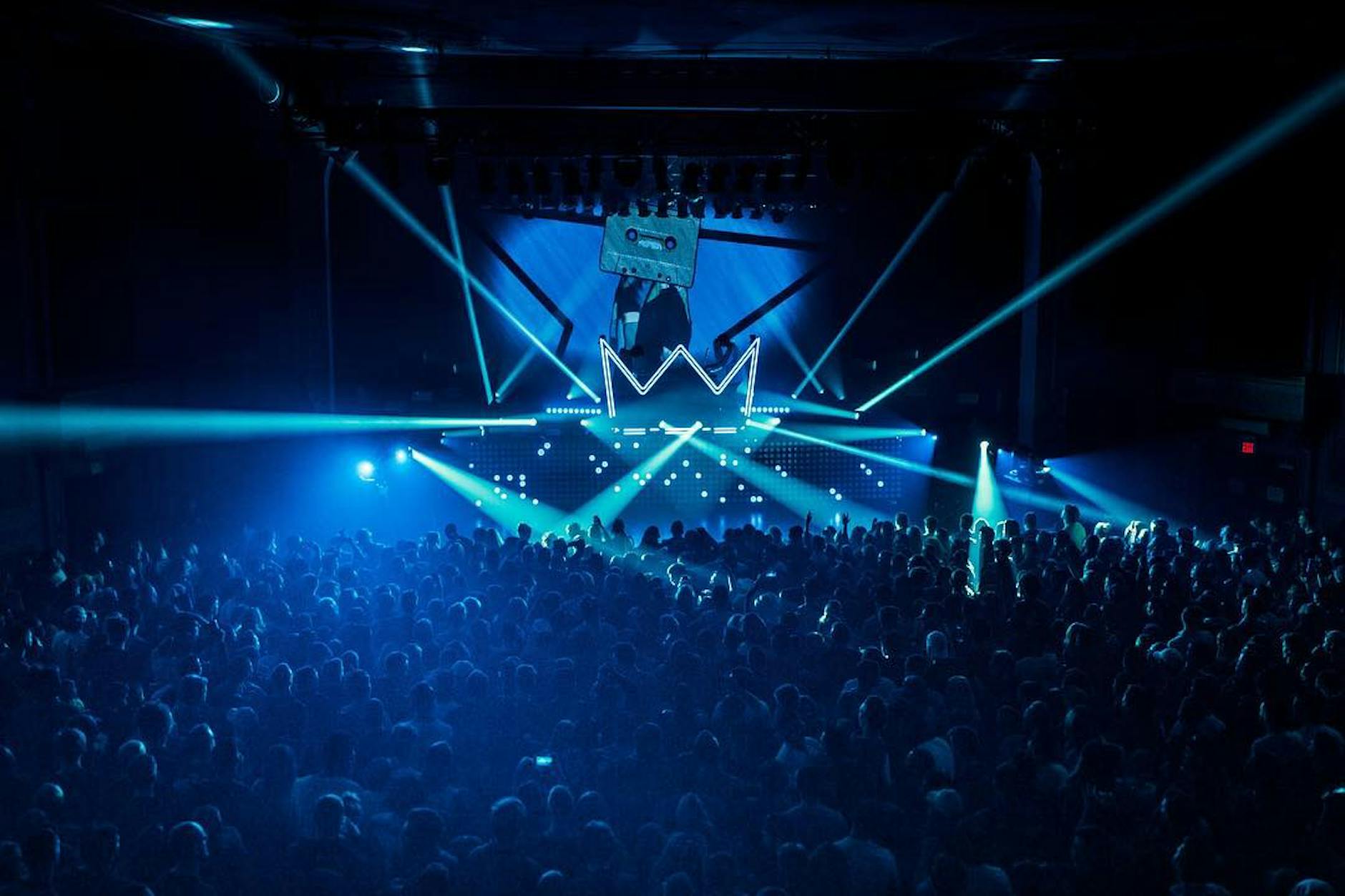
Ecstasy acts as both a stimulant and a hallucinogen, and it's this combination that contributes to its appeal at social gatherings where music and dancing are central activities. The drug can make users feel energised, reduce inhibitions, and enhance enjoyment of tactile experiences, which complements the loud, immersive environments of parties and festivals.
Moreover, the communal feeling that often accompanies ecstasy use supports a sense of connection and belonging among festival-goers and party attendees. This can be particularly attractive to teenagers and young adults seeking social connections and peer acceptance.
The Risks and Real-Life Impacts of Ecstasy on Young People
Despite its perceived benefits, the use of ecstasy carries significant health risks. Temporary effects include nausea, chills, sweating, muscle cramping, blurred vision, and more dangerously, a sharp increase in heart rate and blood pressure. More severe impacts can include hyperthermia, severe dehydration, and even heart failure or brain damage from long-term use.
For teens, the developmental risks are even greater. The adolescent brain is still developing, particularly the regions related to decision-making, risk assessment, and emotional regulation. Introducing substances like ecstasy can disrupt this process, potentially leading to cognitive deficits and impaired emotional development.
Socially, too, the use of ecstasy can have dire consequences. It can affect academic performance, family relationships, and lead to legal issues. Misjudgements made under the influence of ecstasy can also result in engaging in risky behaviours, including unsafe sex, which brings additional risks of sexually transmitted infections (STIs) and unintended pregnancies.
Practical Strategies for Avoidance and Safety
For teenagers attending parties or festivals where drug use might be prevalent, there are several strategies that can ensure safety and avoidance of substances like ecstasy:
- Educate Yourself and Friends: Knowing about the real effects and risks associated with ecstasy can deter usage and empower you and your friends to make informed decisions.
- Use the Buddy System: Always attend festivals or parties with a trusted friend and keep an eye on each other. Agree beforehand to leave together and watch out for any signs of discomfort or distress.
- Plan Your Transportation: Make sure you have a safe way to get home. Save the number of a reliable taxi service, or arrange for a sober parent or guardian to pick you up.
- Hydrate and Take Breaks: Even if you're not taking substances, dancing and being in crowded places can lead to dehydration and exhaustion. Drink water and rest regularly.
- Communicate with Trusted Adults: Having open conversations with parents or guardians about the environments you'll be joining can help them provide support and advice.
Moreover, if you are ever in a situation where someone is suffering from the effects of ecstasy or any other drug, it's critical to seek medical help immediately. Knowing basic first aid and recognising the signs of drug-related complications can save lives.
Conclusion: A Balanced Outlook on Ecstasy and Party Culture
The allure of ecstasy, especially in the context of parties and festivals, lies in its ability to intensify the overall experience. However, the risks involved cannot be overlooked. Understanding these risks, and adopting strategies to mitigate them, are essential steps for every young person. The decision to avoid ecstasy is not just about ensuring personal safety; it's about making informed choices that ensure the well-being of both oneself and one's community.
In the journey of adolescence where every experience shapes the future, being mindful of the choices one makes at social gatherings is crucial. With the right knowledge and strategies, teens can enjoy these social events safely and responsibly, keeping their health and future intact.
How are you feeling?
It is really important that when we need help, we feel able to ask for it. This could be speaking to a parent, a close friend, a teacher or someone else you trust. Sometimes it can be really hard to share our feelings with other people but if we are feeling low or don't know where to turn, sharing with others is really important. Teachers will always take you seriously and listen to your problems in confidence if you approach them for help. Likewise, parents, siblings or friends will help you if you reach out to them.
If you feel like you can't speak to anyone you know, there are people and organisations that can help support you:
- Childline - Call them on 0800 1111 any time of the day or night, every day of the week
- NSPCC - Call them on 0808 800 5000 between 10am and 4pm Monday to Friday or email them on help@NSPCC.org.uk
- The Samaritans – Call them on 116 123 any time of the day or night, every day of the week
- SANE – Call 0300 304 7000 for support (4:30pm - 10:30pm every day)
- Mind – Call 0300 123 3393 (9:00am - 6:00pm Monday to Friday)
*Sometimes we will use real life examples in our articles to aid understanding. When we do, names and ages will be changed.
