

















Let's get started...
Understanding Recreational Ketamine Use
Ketamine, originally developed as a powerful anaesthetic and painkiller in the 1960s, has branched out beyond It's medical origins to become a popular recreational drug. This rise can be confusing and worrisome, especially when considering the health implications and legal status of ketamine use. Let's explore the background of ketamine, how it affects individuals, and what teens can do if they or their friends are tempted by or using ketamine recreationally.
The Allure of Ketamine
Typically used in veterinary medicine and human anaesthesia, ketamine crossed over to the club scene due to its dissociative and hallucinogenic effects. When consumed in smaller, controlled doses, it can make users feel disconnected from their body and surroundings, which some find thrilling or liberating. The drug can induce a state variety described as a K-hole', an intense dissociative state that some chase for its profound, albeit risky, transcendental experience.
Ketamine's popularity in the nightlife world is enhanced by It's reputation for inducing feelings of euphoria and floating, or detaching from pain, which can be particularly appealing in a loud, sensory-overloading environment like a party or club. It is sometimes used as a means to handle environmental stressors or escapism.
Risks and Real-Life Impact on Young People
Despite its perceived perks, the recreational use of ketamine carries significant risks, particularly for teenagers. It's dissociative effects can lead to dangerous psychological and physical states. Users might experience severe confusion, loss of coordination, and blackouts, leading to accidents or harmful situations. There's also the possibility of experiencing disturbing hallucinations and paranoia.
From a social perspective, ketamine use can strain relationships with family and friends and impact academic performance and future opportunities. Being caught with ketamine can lead to legal repercussions, as it's classified as a Class B drug under UK law, carrying penalties for possession and even more severe consequences for supply and production.
Long-term use of ketamine can lead to serious health issues such as bladder problems (sometimes called "ketamine bladder"), where frequent use damages the bladder and urinary tract, leading to painful and often irreversible conditions. Additionally, there's a risk of developing dependence on the drug, further exacerbating mental and physical health issues.
Strategies for Dealing With Ketamine Use Amongst Peers
For teenagers, navigating social situations where drugs like ketamine might be present can be challenging. Here are some strategies to consider:
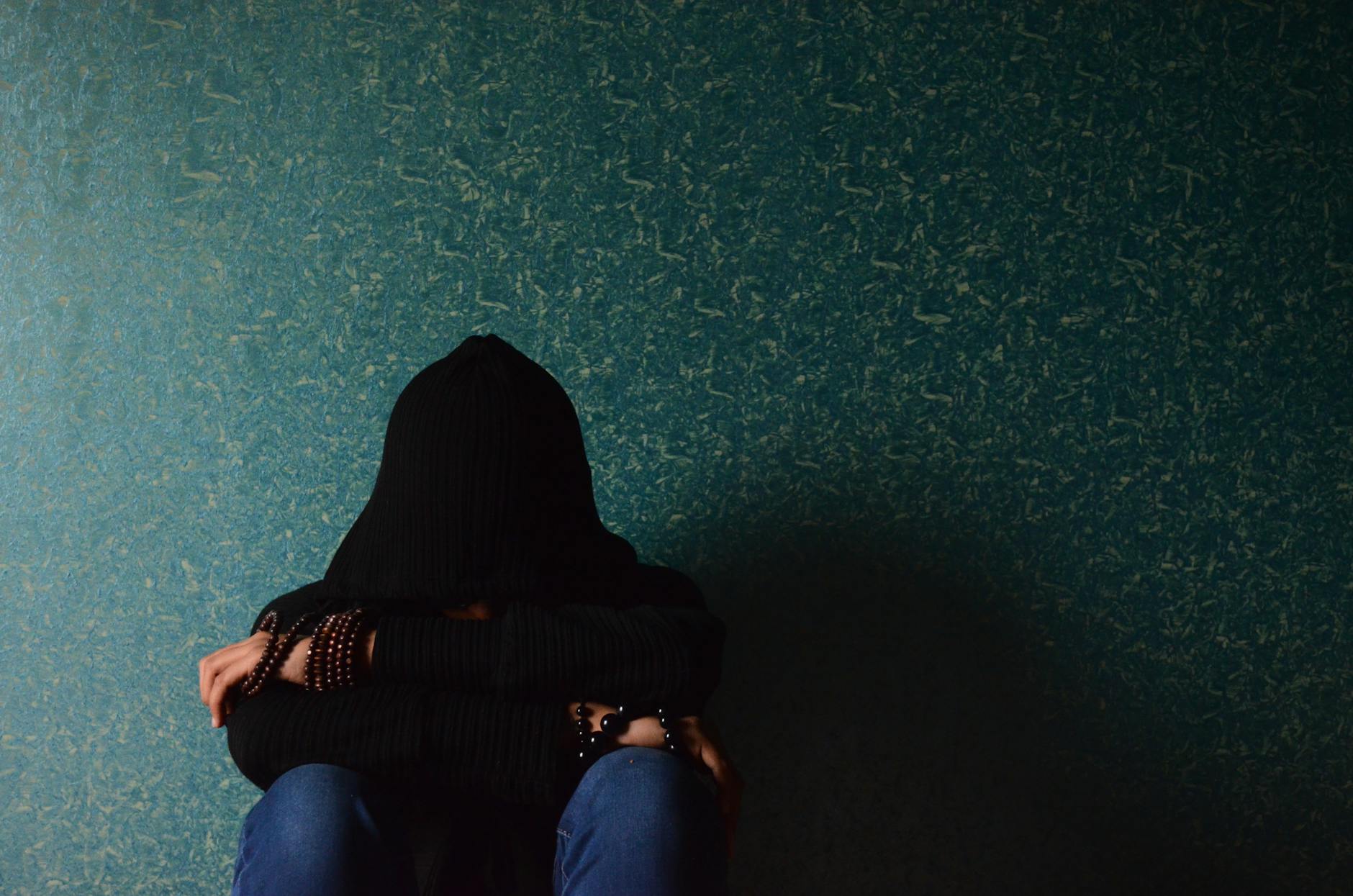
- Educate Yourself and Others: Understanding the effects and risks associated with ketamine can empower you to make informed decisions. Educating your peers can also dissuade them from using it.
- Seek Support: If you're feeling pressured to try ketamine, or if you're worried about a friend's use, talk to someone you trust. This could be a family member, a teacher, or a health professional.
- Develop Healthy Coping Strategies: Often, drug use stems from a desire to escape stress or emotional pain. Developing healthy ways to cope with life's challenges, like exercising, making art, or talking to friends, can reduce the temptation to turn to substances.
- Stay Engaged in Positive Activities: Being involved in sports, clubs, or volunteering can keep you occupied and fulfilled, lowering the risk of falling into negative patterns like drug use.
- Create a Safety Plan: If you're going to a party or event where you suspect there might be drug use, plan ahead. Decide how you'll respond if offered drugs, and make sure to stay with friends who support your decision not to use substances.
Conclusion
Exploring why ketamine is used recreationally reveals a complex mix of social, psychological, and physical factors. For teens, recognising the allure of ketamine in some circles can help in understanding It's dangers and devising strategies to avoid its use. While its effects might seem appealing, the potential damage to one's health, relationships, and future prospects can be profound. Armed with knowledge and support, you can make choices that uphold your well-being and aspirations.
How are you feeling?
It is really important that when we need help, we feel able to ask for it. This could be speaking to a parent, a close friend, a teacher or someone else you trust. Sometimes it can be really hard to share our feelings with other people but if we are feeling low or don't know where to turn, sharing with others is really important. Teachers will always take you seriously and listen to your problems in confidence if you approach them for help. Likewise, parents, siblings or friends will help you if you reach out to them.
If you feel like you can't speak to anyone you know, there are people and organisations that can help support you:
- Childline - Call them on 0800 1111 any time of the day or night, every day of the week
- NSPCC - Call them on 0808 800 5000 between 10am and 4pm Monday to Friday or email them on help@NSPCC.org.uk
- The Samaritans – Call them on 116 123 any time of the day or night, every day of the week
- SANE – Call 0300 304 7000 for support (4:30pm - 10:30pm every day)
- Mind – Call 0300 123 3393 (9:00am - 6:00pm Monday to Friday)
*Sometimes we will use real life examples in our articles to aid understanding. When we do, names and ages will be changed.
