













Let's get started...
Understanding why people use drugs is a complex topic that involves a variety of psychological, social, and biological factors. For teenagers, it's essential to grasp these reasons, as this knowledge can help navigate pressures associated with drug use. In this article, we will explore the background of drug use, the circumstances under which young people may turn to drugs, the potential impacts of drug use on their lives, and practical strategies for dealing with this issue.
Understanding the Background
Drug use has been around for thousands of years. Historically, substances have been used for medicinal, recreational, or spiritual purposes across different cultures. However, the context in which drugs are used today, especially among teenagers, has changed significantly. With the rise of social media, online access to information, and greater exposure to different lifestyles, adolescents are more than ever confronted with drugs as part of social experiences.
Several factors can motivate individuals to try drugs, particularly young people. It's crucial to recognise that these motivations can be deeply personal and vary widely from one person to another. Here, well delve into some common reasons behind drug use among teenagers:
Common Reasons for Drug Use
1. Peer Pressure
Peer pressure is one of the most significant influences on adolescent drug use:
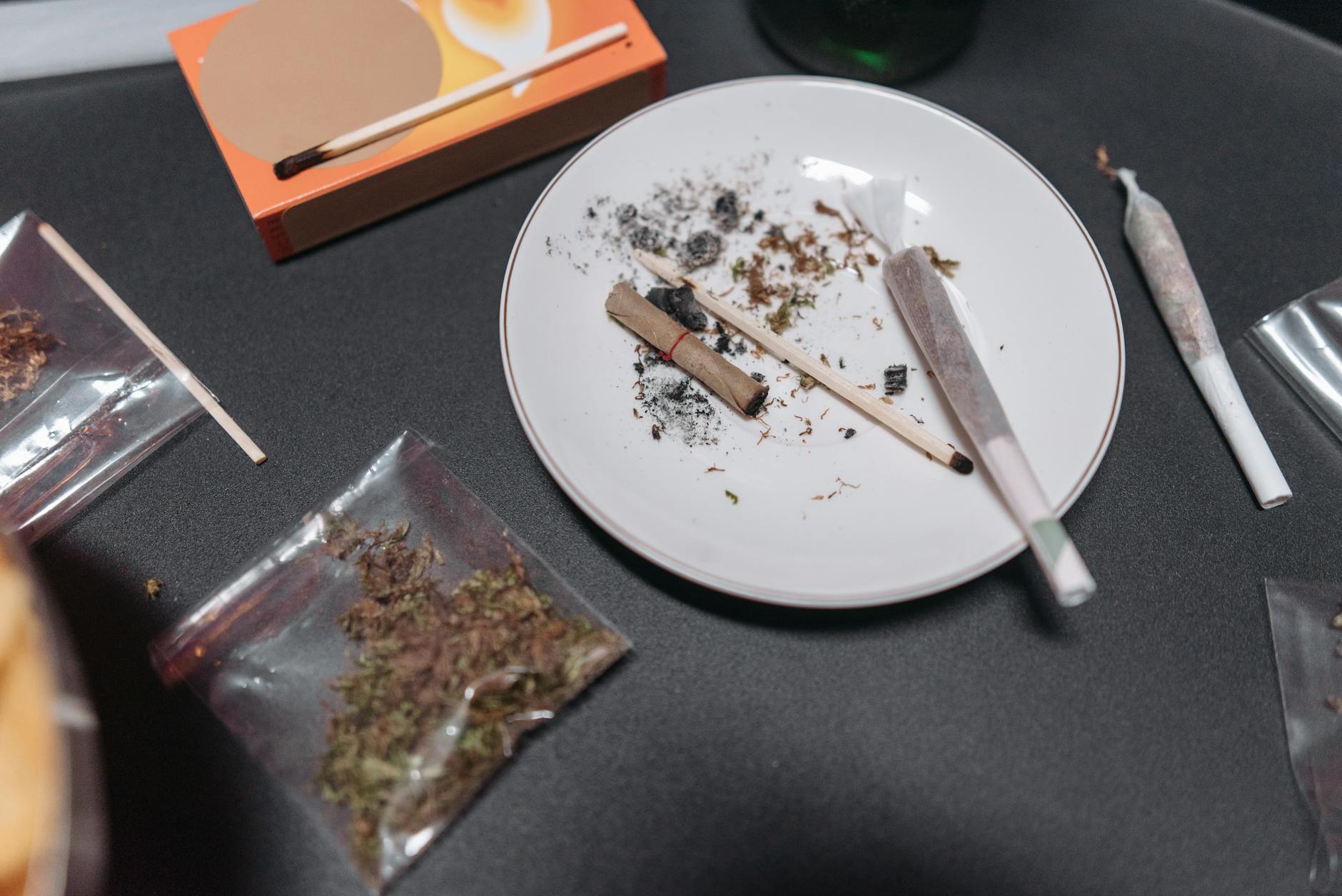
- Fitting In: Young people may feel compelled to conform to the expectations and behaviours of their peers. Experiencing pressure to fit in can lead them to try drugs, even if they are aware of the risks.
- Social Acceptance: Many teenagers perceive drug use as a social norm among certain groups, resulting in the mistaken belief that using drugs is a way to be accepted or liked.
2. Curiosity and Experimentation
Adolescence is often a time of exploration and curiosity:
- Naturally Inquisitive: Teenagers tend to explore boundaries as they seek to learn more about themselves and the world around them. This curiosity may lead to trying substances.
- Risk-Taking Behaviour: Young people are often prone to take risks. This inclination can sometimes manifest in drug use as adolescents look for exhilarating experiences.
3. Emotional Factors
Many young people use drugs to cope with emotional issues:
- Stress and Anxiety: Adolescents are often under significant stress, be it from school, familial pressures, or peer relationships. Some may turn to drugs as a way to escape or numb their feelings.
- Depression: Those suffering from depression may seek substances to self-medicate. This can lead to a vicious cycle where temporary relief ends up causing more long-term harm.
4. Seeking Pleasure and Stimulation
The pursuit of pleasure is a powerful motivator:
- Escapism: Some drugs provide feelings of euphoria or stimulation, making them attractive to those wanting to escape from the mundanity of everyday life.
- New Experiences: The excitement of trying something new can motivate individuals to engage with drugs, especially if they believe it can lead to memorable experiences.
5. Cultural and Environmental Influences
The environment in which a young person grows can shape their attitudes towards drugs:
- Family Background: If drugs are normalised in a young person's home or community, they may be more likely to experiment with them themselves.
- Media Influence: Movies, television shows, and music often glamorise drug use, which can influence a teenagers perception and lead to experimentation.
The Real-Life Impact on Young People
Understanding the reasons for drug use is crucial, but it's equally import 1000 ant to reflect on the real-life consequences of such behaviours:
1. Physical Health Effects
Drug use can lead to numerous health issues:
- Risk of Addiction: Many drugs are inherently addictive, and even casual use can lead to dependency. This is especially concerning for teenagers, whose brains are still developing.
- Short and Long-Term Health Risks: Physical health issues can range from respiratory problems and cardiovascular issues to severe illnesses like liver damage or strokes, dependent on the substance consumed.
2. Mental Health Challenges
Drugs have substantial effects on mental well-being:
- Exacerbation of Existing Conditions: For those suffering from anxiety, depression, or other mental health disorders, drug use can intensify symptoms.
- Cognitive Impairments: Regular drug use can impair cognitive function, leading to difficulties in learning, attention, and decision-making.
3. Academic Consequences
Engaging in drug use can significantly impact a teenagers educational performance:
- Declining Academic Performance: Substance use can lead to missed classes, lower grades, and decreased focus, ultimately affecting future opportunities.
- Risk of Expulsion or Suspension: In many schools, drug use can lead to disciplinary action, including suspension or expulsion, with repercussions on educational pathways.
4. Relationship Strain
Drug use often damages relationships:
- Trust Issues: Substance misuse can lead to broken trust between friends and family members, resulting in emotional distance and isolation.
- Social Isolation: As individuals engage in drug use, they may separate themselves from non-using peers, leading to loneliness and a lack of support.
5. Legal Implications
Using and possessing drugs can have serious legal consequences:
- Criminal Record: Being caught with illegal substances can lead to a criminal record, affecting future job opportunities and university applications.
- Fines and Legal Fees: Engaging in drug use can result in significant financial burdens due to fines or costs associated with legal representation.
Practical Strategies for Young People
Understanding the reasons behind drug use and its impacts is a crucial first step; now, here are some practical strategies to mitigate the risks and make informed decisions:
1. Educate Yourself
Having a solid understanding of the risks associated with drug use can empower decision-making:
- Research and Learn: Familiarise yourself with the potential effects, both short and long term, of the substances that may be offered to you.
- Have Informed Discussions: Talk about drug use openly with friends and family, making it a topic where questions can be freely discussed.
2. Strengthen Refusal Skills
Being prepared to say no is essential in potentially risky situations:
- practise Responses: Role-play different scenarios with friends or family to become comfortable refusing offers of drugs confidently.
- Develop a Personal Motto: Create a saying or mantra that reinforces your decision to stay drug-free. Reminding yourself of your beliefs can help during peer pressure moments.
3. Build a Support Network
Surrounding yourself with supportive individuals is crucial:
- Choose Friends Wisely: Seek out friends who share your values and won't pressure you to conform to drug use.
- Engage in Positive Relationships: Strengthening bonds with family members or mentors who promote healthy lifestyles can act as a buffer against peer pressure.
4. Find Healthy Coping Strategies
Developing healthy ways to cope with stress can reduce the temptation to turn to drugs:
- Engage in Physical Activity: Exercise is a natural mood booster and helps to alleviate stress through the release of endorphins.
- Explore Hobbies: Find activities you enjoy such as sports, art, music, or volunteering giving you a positive outlet for emotions and a sense of accomplishment.
5. Seek Help When Needed
If you're struggling with thoughts about drug use or know someone who is, it's important to seek help:
- Talk to a Trusted Adult: Whether a parent, teacher, or school counsellor, having someone to discuss your feelings can offer valuable perspective and guidance.
- Access Resources: Many websites and hotlines offer valuable information and support for young people grappling with drug-related issues.
Conclusion
Understanding why people use drugs is essential for teenagers trying to navigate a complex world filled with influences and pressures. Recognising the motivations behind drug use can help you make informed, healthy decisions. By educating yourself, building a robust support network, and nurturing positive coping strategies, you can resist the urge to engage in drug use and cultivate a fulfilling, drug-free lifestyle. Remember, there's strength in making choices that align with your values and well-being.
How are you feeling?
It is really important that when we need help, we feel able to ask for it. This could be speaking to a parent, a close friend, a teacher or someone else you trust. Sometimes it can be really hard to share our feelings with other people but if we are feeling low or don't know where to turn, sharing with others is really important. Teachers will always take you seriously and listen to your problems in confidence if you approach them for help. Likewise, parents, siblings or friends will help you if you reach out to them.
If you feel like you can't speak to anyone you know, there are people and organisations that can help support you:
- Childline - Call them on 0800 1111 any time of the day or night, every day of the week
- NSPCC - Call them on 0808 800 5000 between 10am and 4pm Monday to Friday or email them on help@NSPCC.org.uk
- The Samaritans – Call them on 116 123 any time of the day or night, every day of the week
- SANE – Call 0300 304 7000 for support (4:30pm - 10:30pm every day)
- Mind – Call 0300 123 3393 (9:00am - 6:00pm Monday to Friday)
*Sometimes we will use real life examples in our articles to aid understanding. When we do, names and ages will be changed.