













Let's get started...
County lines is a term used to describe a type of drug dealing where gangs from big cities expand their operations into smaller towns and rural areas. They use dedicated mobile phone lines to arrange drug deals, and they often exploit young and vulnerable people to transport and sell drugs on their behalf. This is a serious crime that has devastating effects on the individuals involved and the communities affected.
Understanding County Lines
County lines operations are run by criminal gangs who use violence, intimidation, and manipulation to control their drug networks. They recruit children and young people, often through promises of money, protection, or a sense of belonging. Once involved, it can be incredibly difficult to escape.
Young people are often forced to travel to different locations, staying in unsafe places, and delivering drugs under the threat of violence. Some end up going missing for days or weeks at a time. This is known as 'going country' or 'going OT' (out there). The impact of county lines on young people can be life-changing, exposing them to serious harm and putting their future at risk.
The Role of the Police in Tackling County Lines
The police play a crucial role in stopping county lines drug operations and protecting the young people involved. Their approach includes:
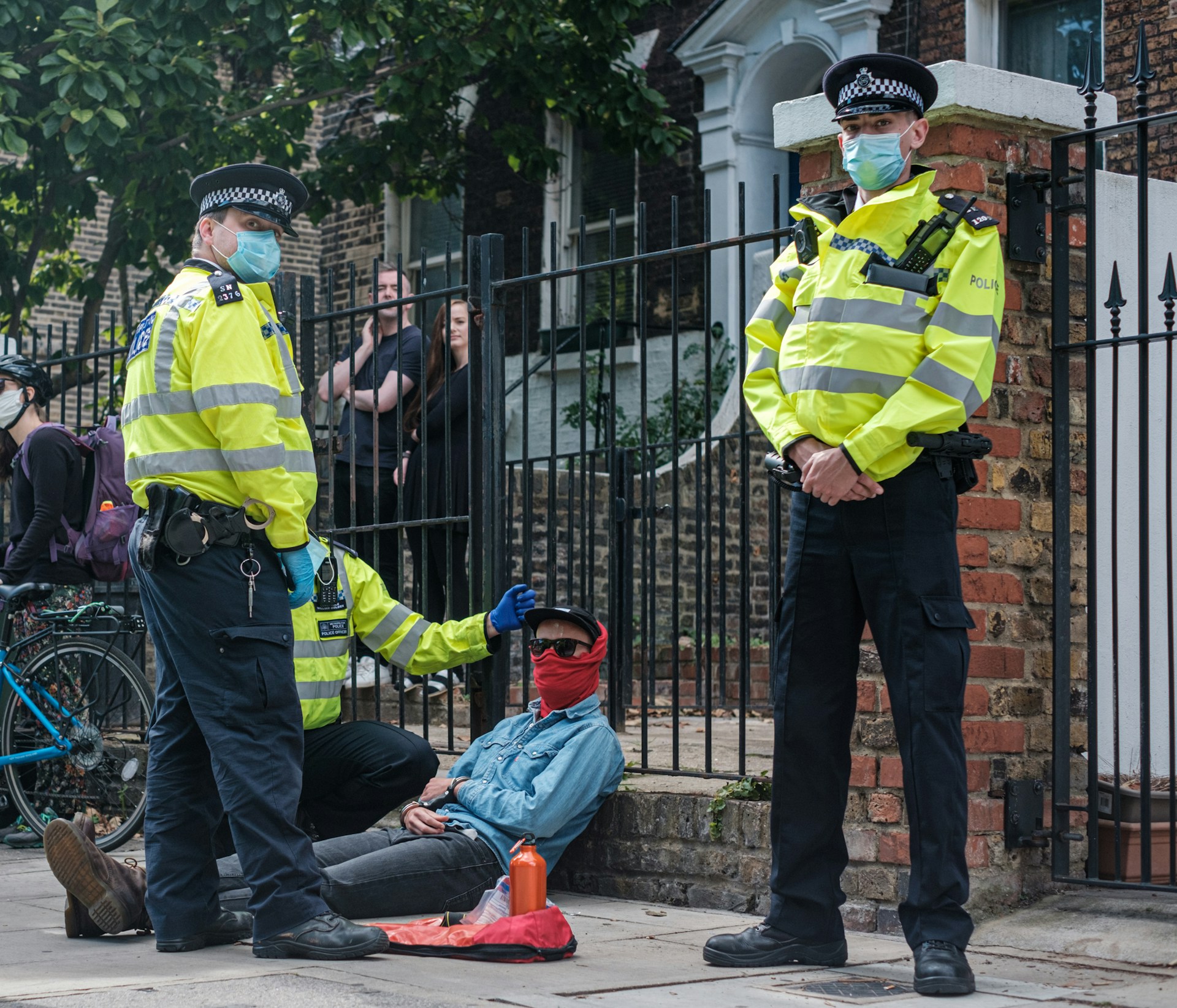
- Identifying and disrupting gang networks: The police investigate and dismantle the gangs running county lines operations. This includes gathering intelligence, carrying out raids, and making arrests.
- Protecting and supporting young people: Rather than treating young people involved in county lines as criminals, the police increasingly recognise them as victims of exploitation. Specialist officers work with social services and charities to offer support.
- Raising awareness: Police forces work with schools and community groups to educate young people about the dangers of county lines and how to seek help if they or someone they know is at risk.
- Working with transport and housing providers: Many county lines operations rely on trains, coaches, and rental properties. The police work with transport staff and landlords to identify and report suspicious activity.
Real-Life Impact on a Young Person
To understand the real dangers of county lines, lets look at a typical story. While details vary, this example is based on real experiences shared by young people.
Jays Story:
Jay was 14 when he was first approached by an older boy at school. The boy seemed friendly and offered him free trainers and food. Soon, Jay felt like he owed him. One day, he was asked to do a small job delivering a package to a house in a nearby town. It seemed harmless, so he agreed.
That was just the beginning. Jay was told he needed to go on another trip, then another. He was given a phone and told to answer whenever he was called. When he tried to stop, he was threatened with violence. His family was also threatened. He started missing school, staying in unknown houses for days at a time. His parents didn't know where he was, and he felt trapped.
Eventually, Jay was arrested during a police operation. But instead of treating him as a criminal, the police recognised that he had been exploited. With their help, along with social workers and charities, he was able to get out and rebuild his life. He now shares his story to help others avoid the same situation.
How to Spot the Signs of County Lines
If you're worried that someone you know might be involved in county lines, look out for these signs:
- Regularly going missing from school or home
- Having unexplained money, expensive clothes, or new phones
- Becoming secretive about who they are talking to and where they are going
- Changes in behaviour, such as becoming more withdrawn or anxious
- Carrying a weapon or talking about gangs
- Being found in places far from home with no good explanation
What Can You Do If You or Someone You Know Is at Risk?
If you are worried about yourself or a friend, it's important to speak up. There are ways to get help and stay safe:
- Tell a trusted adult: This could be a parent, teacher, youth worker, or any adult you trust.
- Contact the police: If someone is in immediate danger, call 999. For non-emergencies, you can call 101 or speak to a local officer.
- Reach out to charities: Organisations like Childline, The National Crime Agency, and Fearless (which allows you to report crime anonymously) can provide support and advice.
How Can the Police and Communities Work Together?
County lines cannot be stopped by the police alone. It requires a joint effort between the police, schools, charities, and communities. Here's how everyone can help:
- Parents and carers: Learn about the signs of county lines and talk to your children about the risks.
- Schools: Educate students about county lines and provide safe spaces for them to ask for help.
- Young people: Look out for your friends and speak up if you are worried about someone being exploited.
Final Thoughts
County lines is a serious issue that puts young people at risk. The police are working hard to tackle the problem, but they need help from the community. By understanding the dangers, recognising the signs, and speaking up, we can all play a role in stopping county lines and keeping young people safe.
How are you feeling?
It is really important that when we need help, we feel able to ask for it. This could be speaking to a parent, a close friend, a teacher or someone else you trust. Sometimes it can be really hard to share our feelings with other people but if we are feeling low or don't know where to turn, sharing with others is really important. Teachers will always take you seriously and listen to your problems in confidence if you approach them for help. Likewise, parents, siblings or friends will help you if you reach out to them.
If you feel like you can't speak to anyone you know, there are people and organisations that can help support you:
- Childline - Call them on 0800 1111 any time of the day or night, every day of the week
- NSPCC - Call them on 0808 800 5000 between 10am and 4pm Monday to Friday or email them on help@NSPCC.org.uk
- The Samaritans – Call them on 116 123 any time of the day or night, every day of the week
- SANE – Call 0300 304 7000 for support (4:30pm - 10:30pm every day)
- Mind – Call 0300 123 3393 (9:00am - 6:00pm Monday to Friday)
*Sometimes we will use real life examples in our articles to aid understanding. When we do, names and ages will be changed.