

















Let's get started...
Understanding THC: What It Is and How It Affects You
Perhaps you've heard about THC in the news, at school, or in conversations. THC, or tetrahydrocannabinol, is the chemical primarily responsible for the psychological effects of marijuana. A complex compound found in the cannabis plant, it can affect brain function and influence feelings, thoughts, and perceptions. Let's dive into what THC actually is, how it impacts individuals, particularly teenagers, and explore some coping strategies and safe practices.
The Science Behind THC
THC is one of many compounds known as cannabinoids found in the marijuana plant. Specifically, THC attaches to cannabinoid receptors in the brain, which are part of the endocannabinoid system a biological system composed of endocannabinoids, which are neurotransmitters that bind to cannabinoid receptors and cannabinoid receptor proteins throughout the central nervous system and peripheral nervous system.
When you ingest marijuana, specifically THC, it activates these receptors and affects various functions including pleasure, memory, cognition, and perception of time. The chemical structure of THC is similar to that of anandamide, a neurotransmitter naturally produced in the brain, which allows it to be recognised by the body and to alter normal brain communication.
Effects of THC on Teenagers
As a teenager, the brain is still in a crucial stage of development, and introducing substances like THC can have significant effects. THC is known to influence memory, learning, attention, decision-making, coordination, emotions, and reaction time. For adolescents whose brains are still developing, the impact can be more profound and potentially long-lasting.
Short-term effects of THC can include:
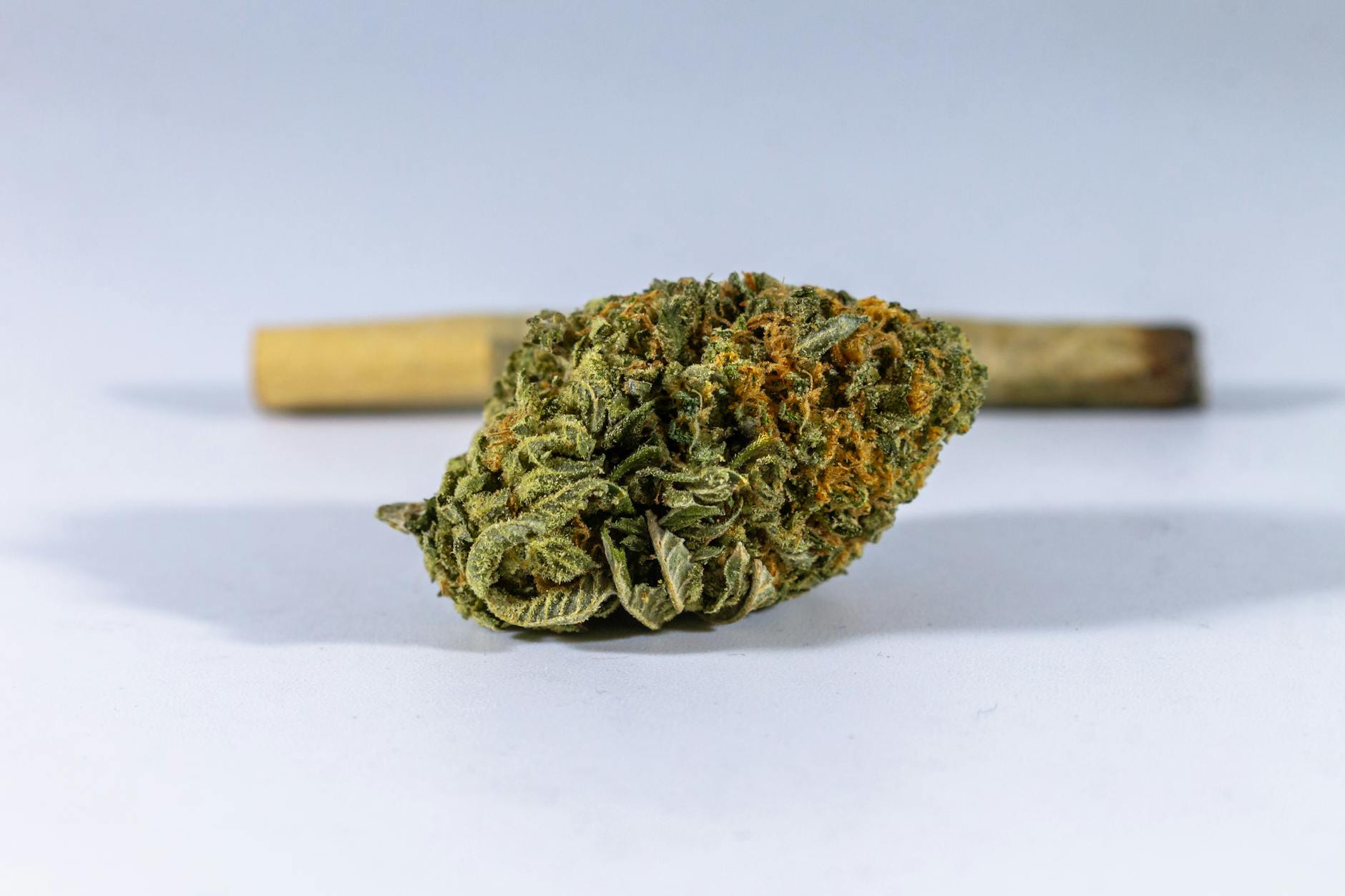
- Altered senses: such as seeing brighter colours
- Changes in mood: feeling relaxed or euphoric
- Impaired body movement: affecting coordination and response times
- Difficulty with thinking and problem-solving: which can impact school performance
- Impaired memory: difficulty remembering or learning new information
Long-term usage can lead to more severe impacts, such as reduced mental flexibility, poorer school performance, higher dropout rates, and even potential increases in mental health issues like anxiety or depression.
Why Teens Use THC
Many teens may try cannabis for various reasons including curiosity, peer pressure, stress relief, or as a means of coping with emotional or psychological problems. Understanding these underlying reasons can be crucial in addressing use and discussing prevention strategies.
Strategies for Coping and Safety
Becoming informed and making safe choices are essential steps for any teen considering the use of THC or struggling with its implications.
Educate Yourself and Peers
Understanding the effects of THC and being able to discuss them openly provides a foundation for making informed choices. Education can dispel myths and clarify misconceptions about cannabis use.
Consider the Legal and School Policy Implications
In many regions, marijuana use is illegal for those under 18, and even where it's legal, there are usually age restrictions. Moreover, schools may have policies that result in disciplinary action if you're caught using or possessing marijuana.
Discuss Your Thoughts and Concerns
Keeping communication open with trusted adults teachers, parents, counsellors can provide support and guidance. If you or a friend are using THC due to stress or other issues, discussing it with an adult can help address those underlying causes healthily and effectively.
Seek Alternatives to Manage Stress and Emotions
Engaging in sports, hobbies, and other recreational activities can serve as healthy alternatives to substance use for managing stress and emotional turmoil.
Understanding Addiction and Seeking Help If Needed
recognising the signs of potential dependency, such as an inability to abstain from use despite wanting to, is crucial. Professional counsellors or addiction services can offer necessary assistance and intervention.
Final Thoughts
The decision to use marijuana shouldn't be taken lightly, especially as a teenager. THC can significantly impact your cognitive and emotional well-being during a critical period of brain development. Remaining informed, making safe choices, and seeking support when necessary can help navigate this personal and often complex decision.
How are you feeling?
It is really important that when we need help, we feel able to ask for it. This could be speaking to a parent, a close friend, a teacher or someone else you trust. Sometimes it can be really hard to share our feelings with other people but if we are feeling low or don't know where to turn, sharing with others is really important. Teachers will always take you seriously and listen to your problems in confidence if you approach them for help. Likewise, parents, siblings or friends will help you if you reach out to them.
If you feel like you can't speak to anyone you know, there are people and organisations that can help support you:
- Childline - Call them on 0800 1111 any time of the day or night, every day of the week
- NSPCC - Call them on 0808 800 5000 between 10am and 4pm Monday to Friday or email them on help@NSPCC.org.uk
- The Samaritans – Call them on 116 123 any time of the day or night, every day of the week
- SANE – Call 0300 304 7000 for support (4:30pm - 10:30pm every day)
- Mind – Call 0300 123 3393 (9:00am - 6:00pm Monday to Friday)
*Sometimes we will use real life examples in our articles to aid understanding. When we do, names and ages will be changed.
